
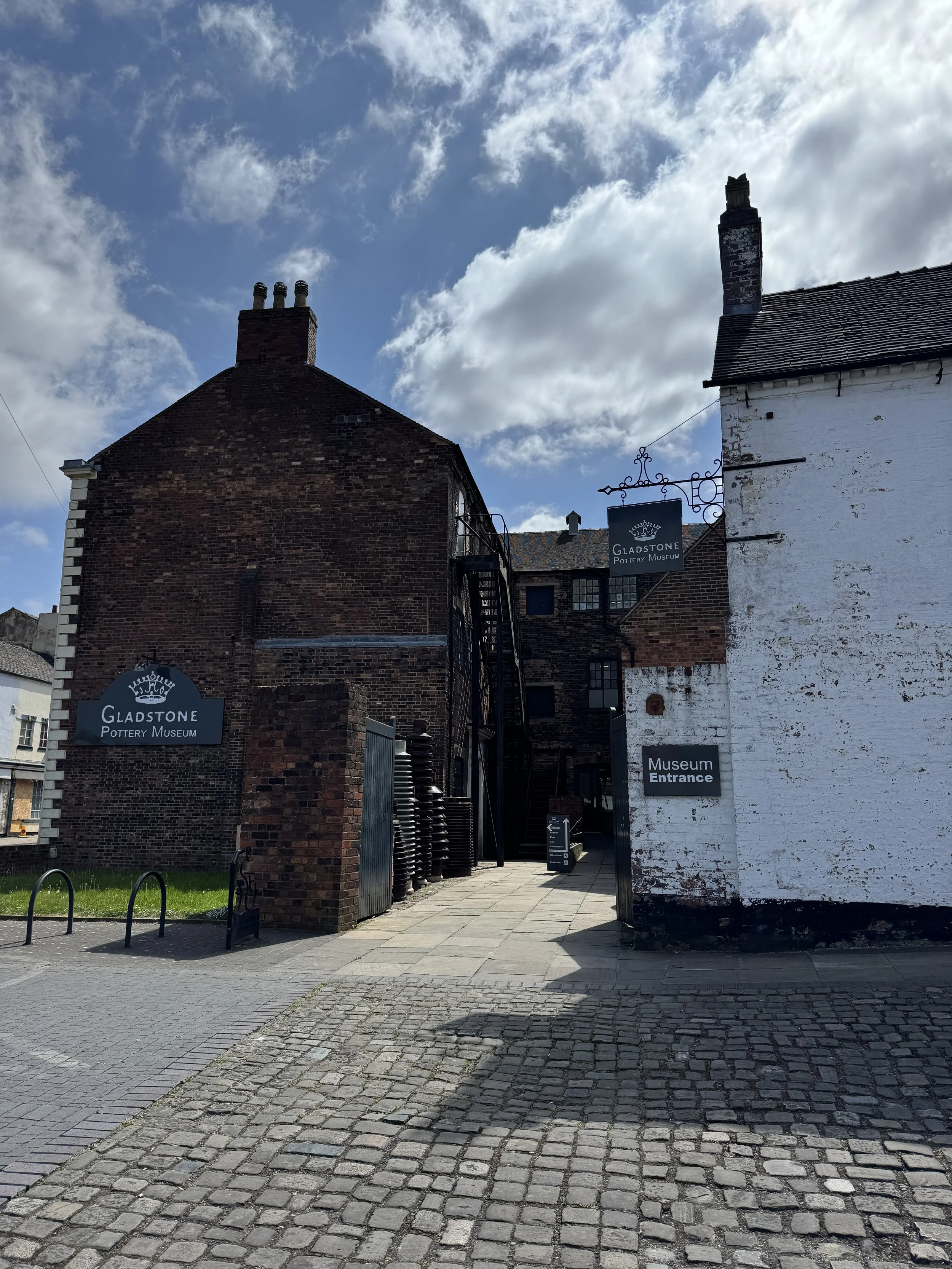
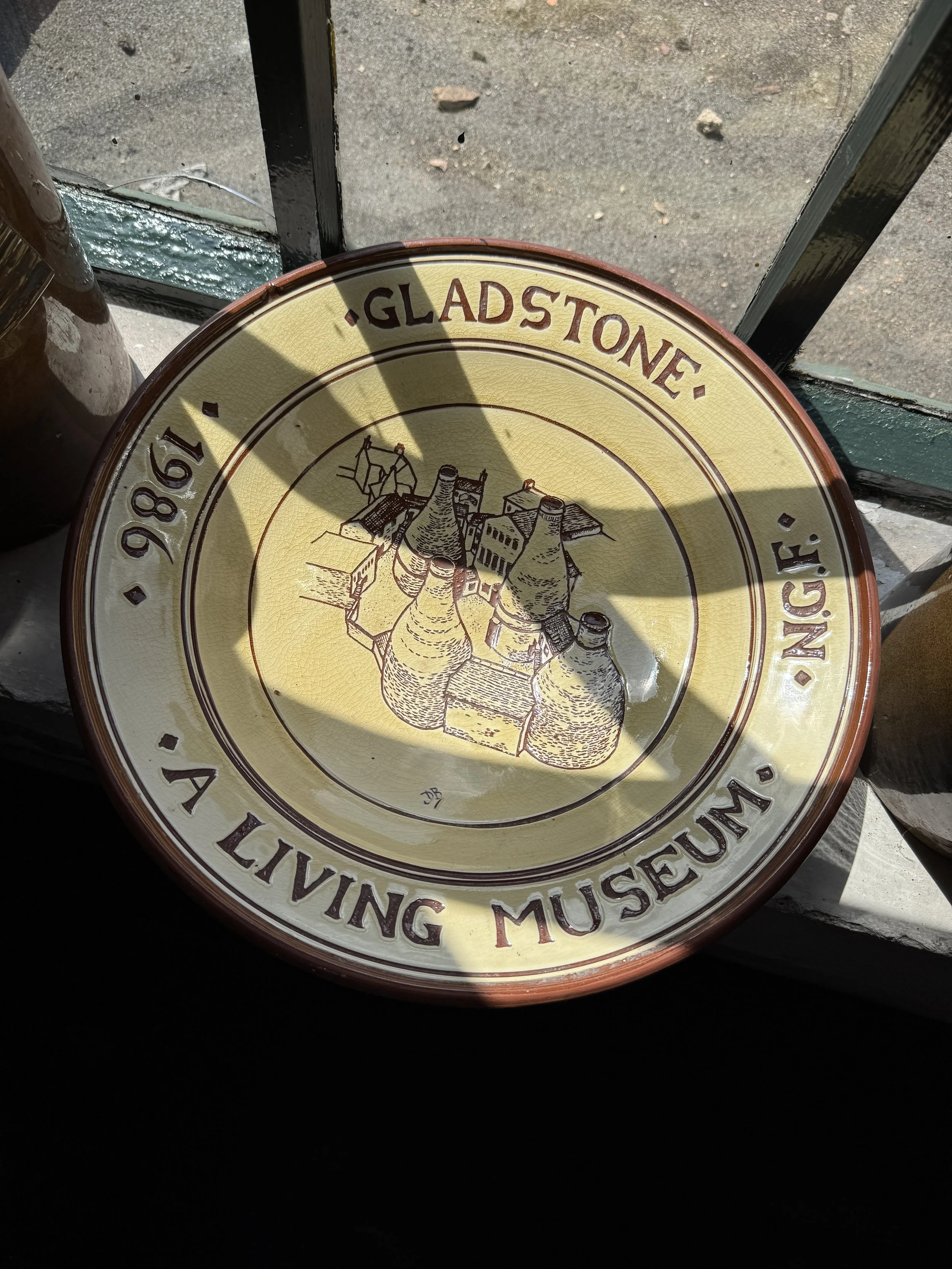
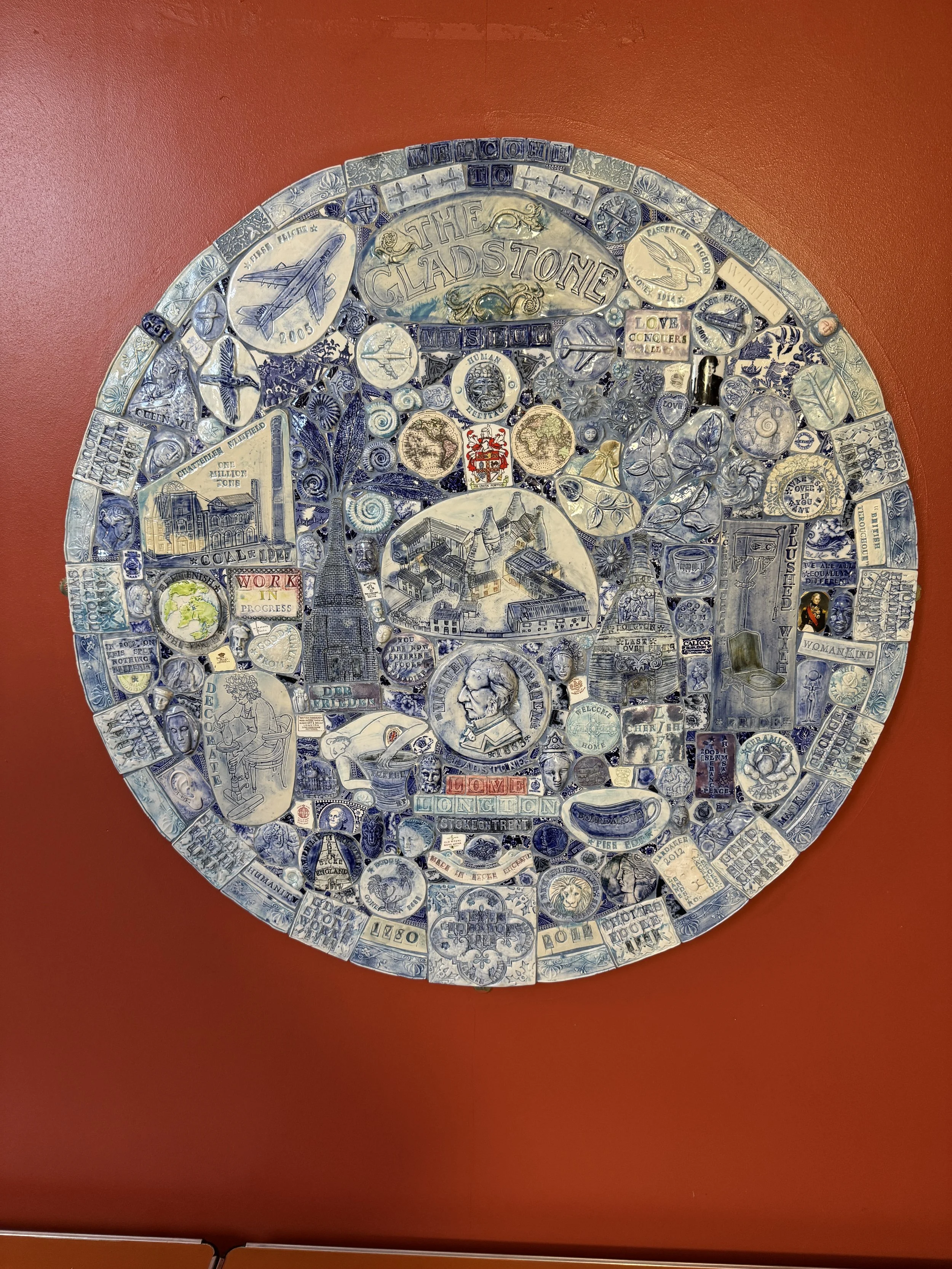
In May 2025, after a wonderful few days exploring Liverpool with friends Kim and Sally, we began the journey back to Devon and Somerset. Rather than heading straight home, we decided to make one final stop: Gladstone Pottery Museum in Stoke-on-Trent.
As it turned out, it became one of the highlights of the entire trip.
As an interior designer, I have always been fascinated by craftsmanship and the stories behind the objects we live with. My interest in pottery goes back even further. Since the age of sixteen, I have collected Midwinter tableware and have always been drawn to the bold optimism of British ceramic design from the 1950s and 1960s.
Although Midwinter wasn't produced at Gladstone itself, it was part of the wider Staffordshire pottery industry that made Stoke-on-Trent famous around the world. Visiting Gladstone offered a fascinating insight into the manufacturing traditions, skills and working conditions that shaped the ceramics industry and influenced many of the pottery brands I have admired and collected over the years.
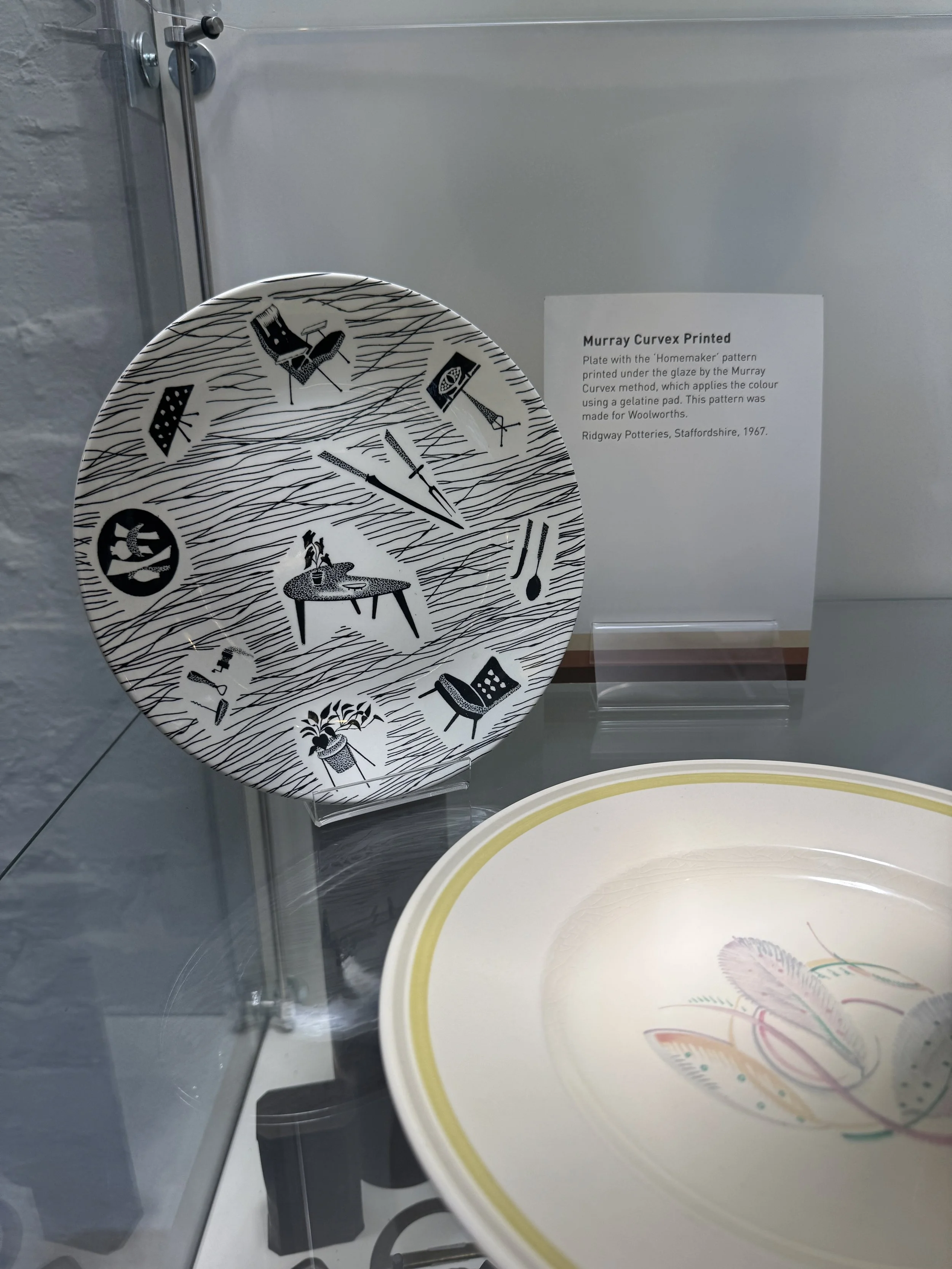
Among my favourite pieces are Jessie Tait's striking hand-painted Zambesi pattern with its graphic zebra stripes, the cheerful red and white Domino designs, and the wonderfully modern Nature Study range designed by a young Terence Conran in 1955, when he was still in his early twenties. Long before Habitat transformed British interiors, Conran was already demonstrating an extraordinary eye for design.
Perhaps that is why I found Gladstone so fascinating.
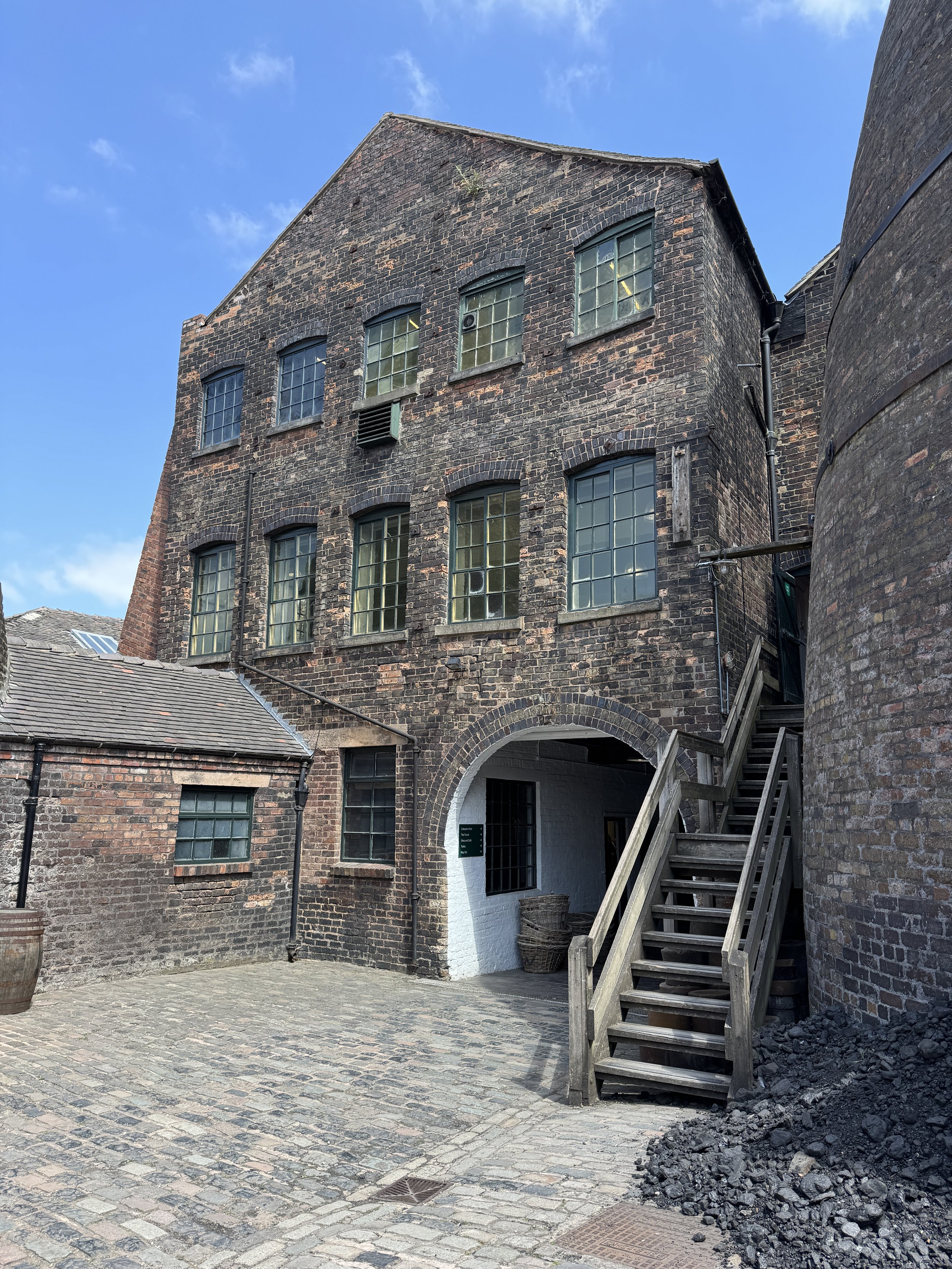
Stepping Back in Time
From the moment we arrived, it felt as though we had stepped into another world.
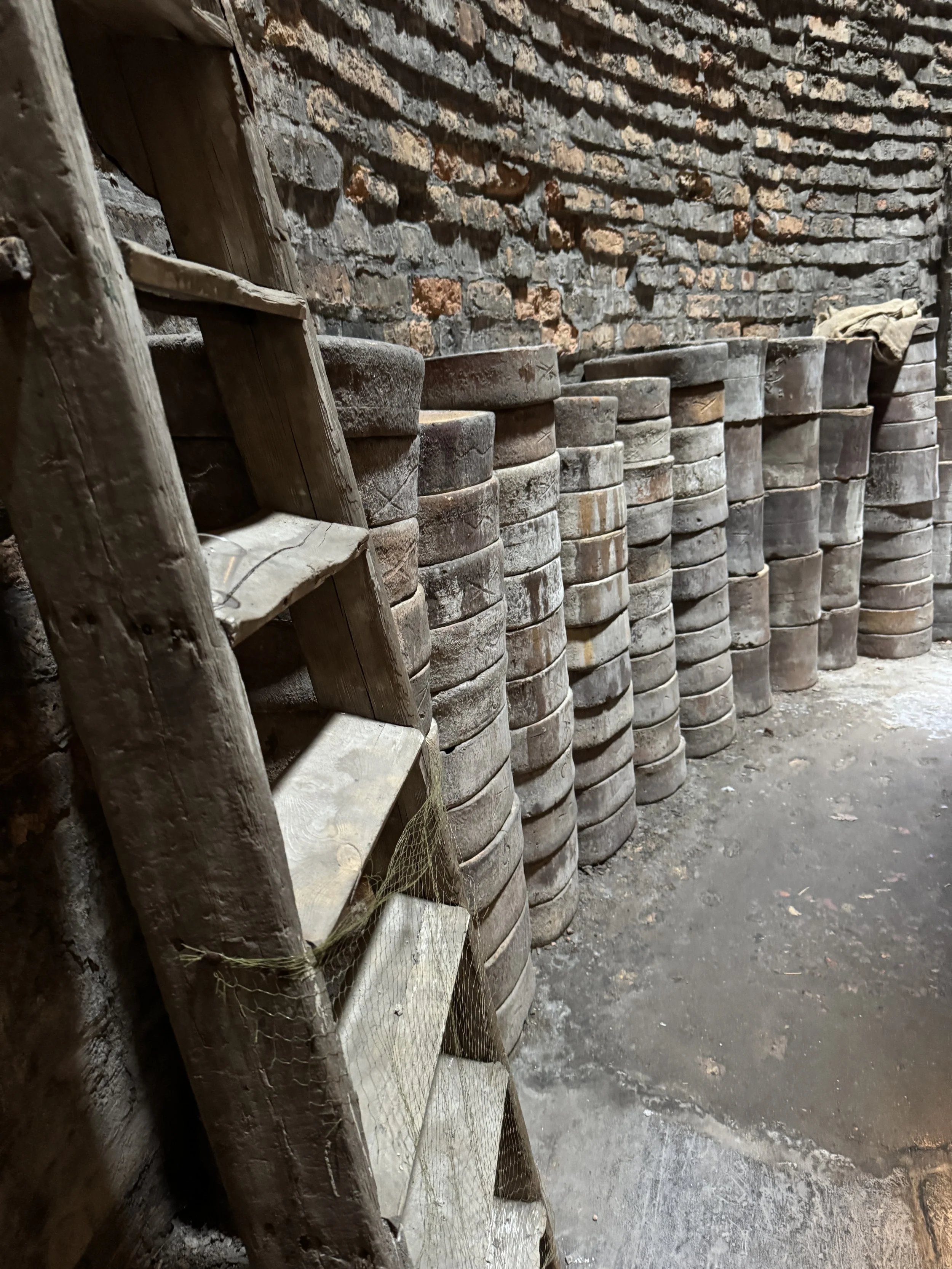
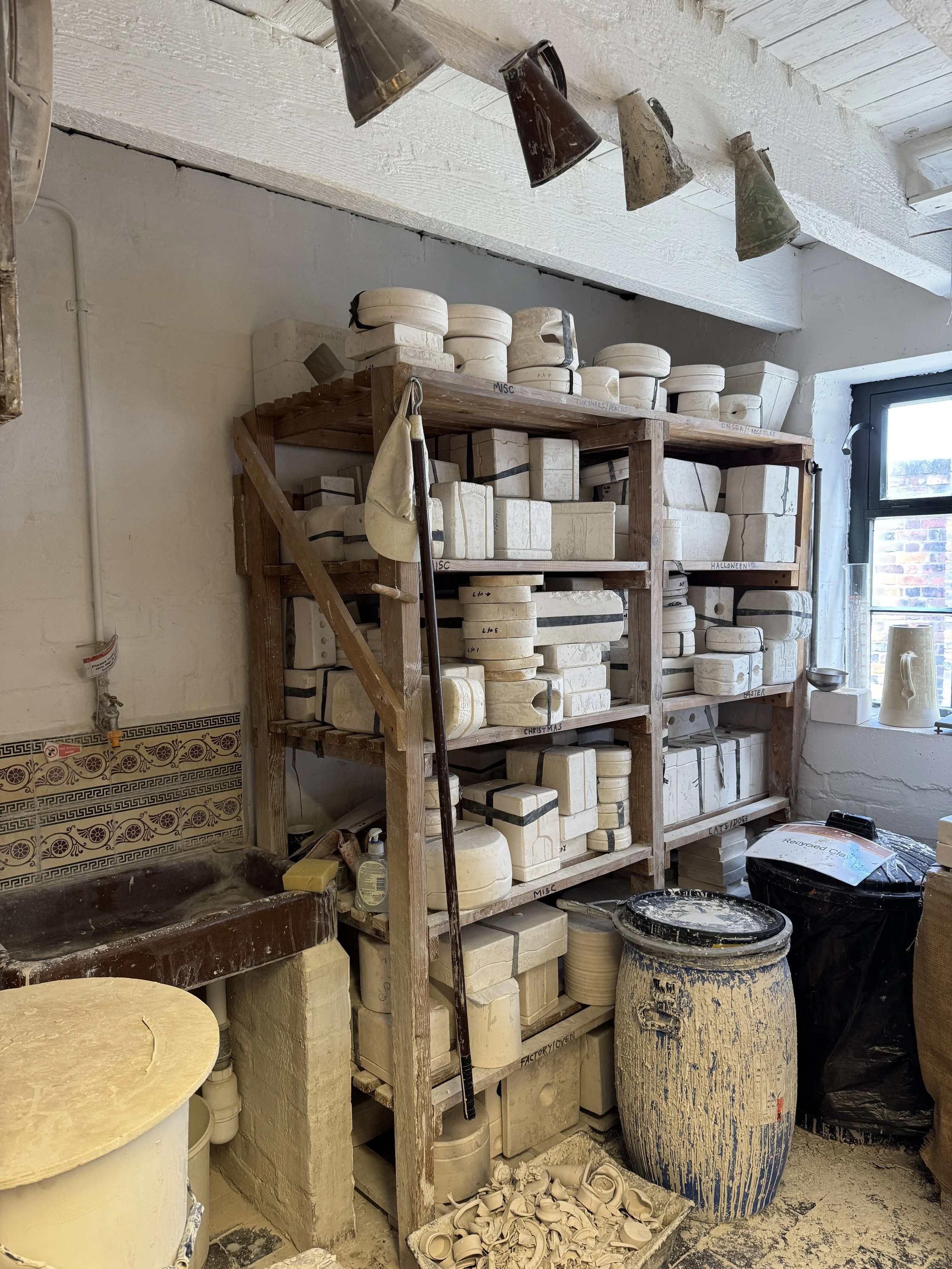
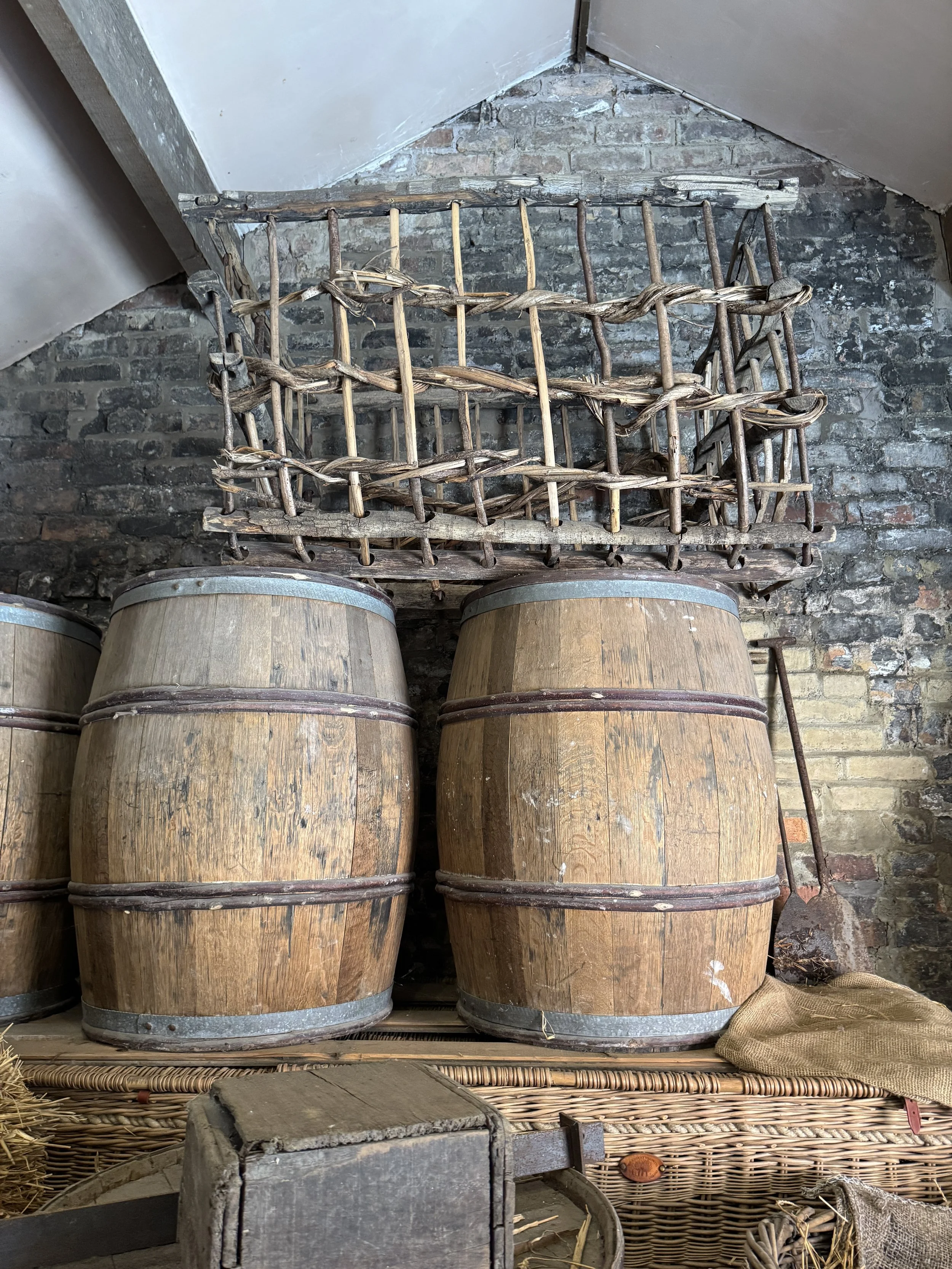
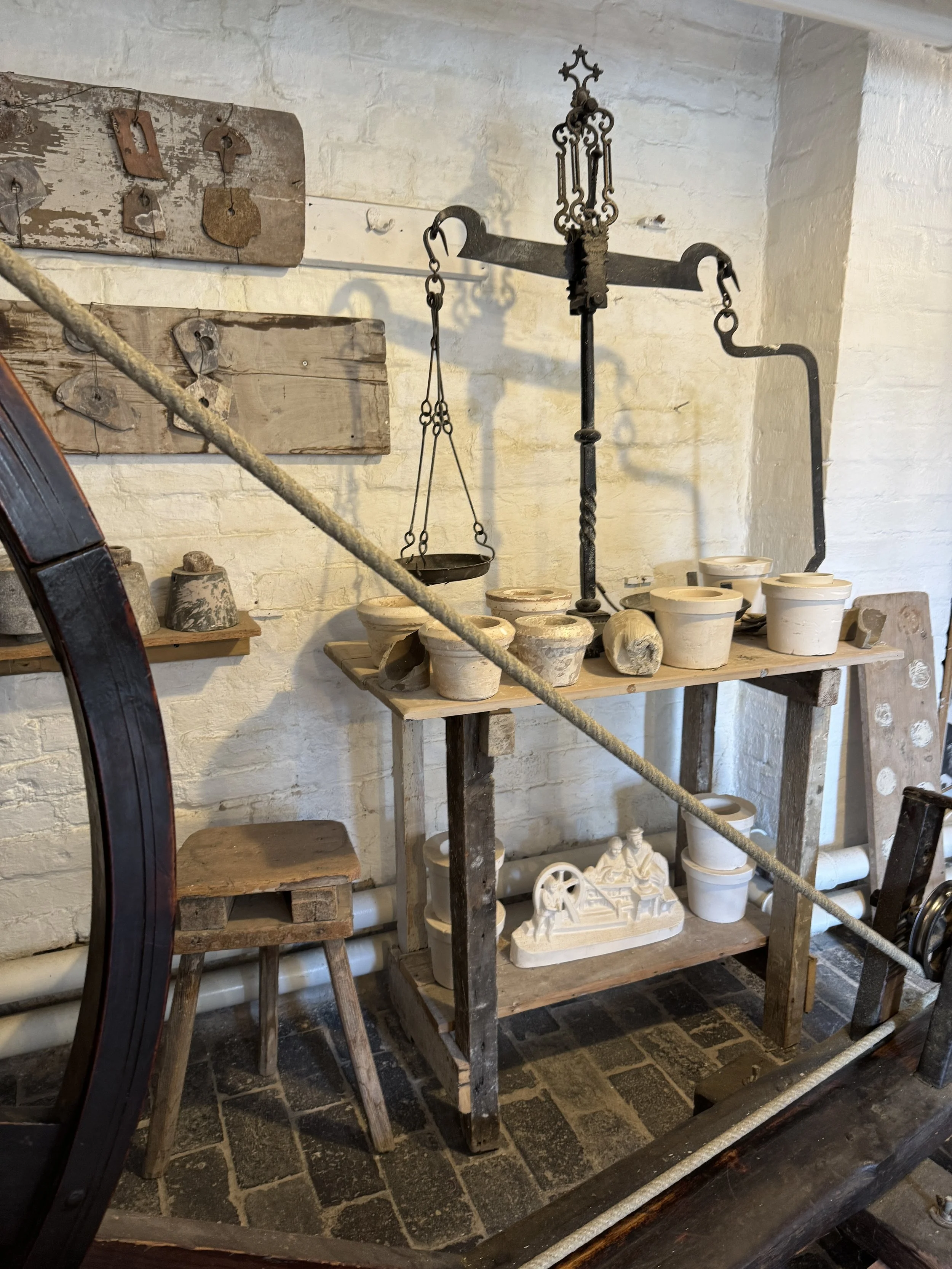
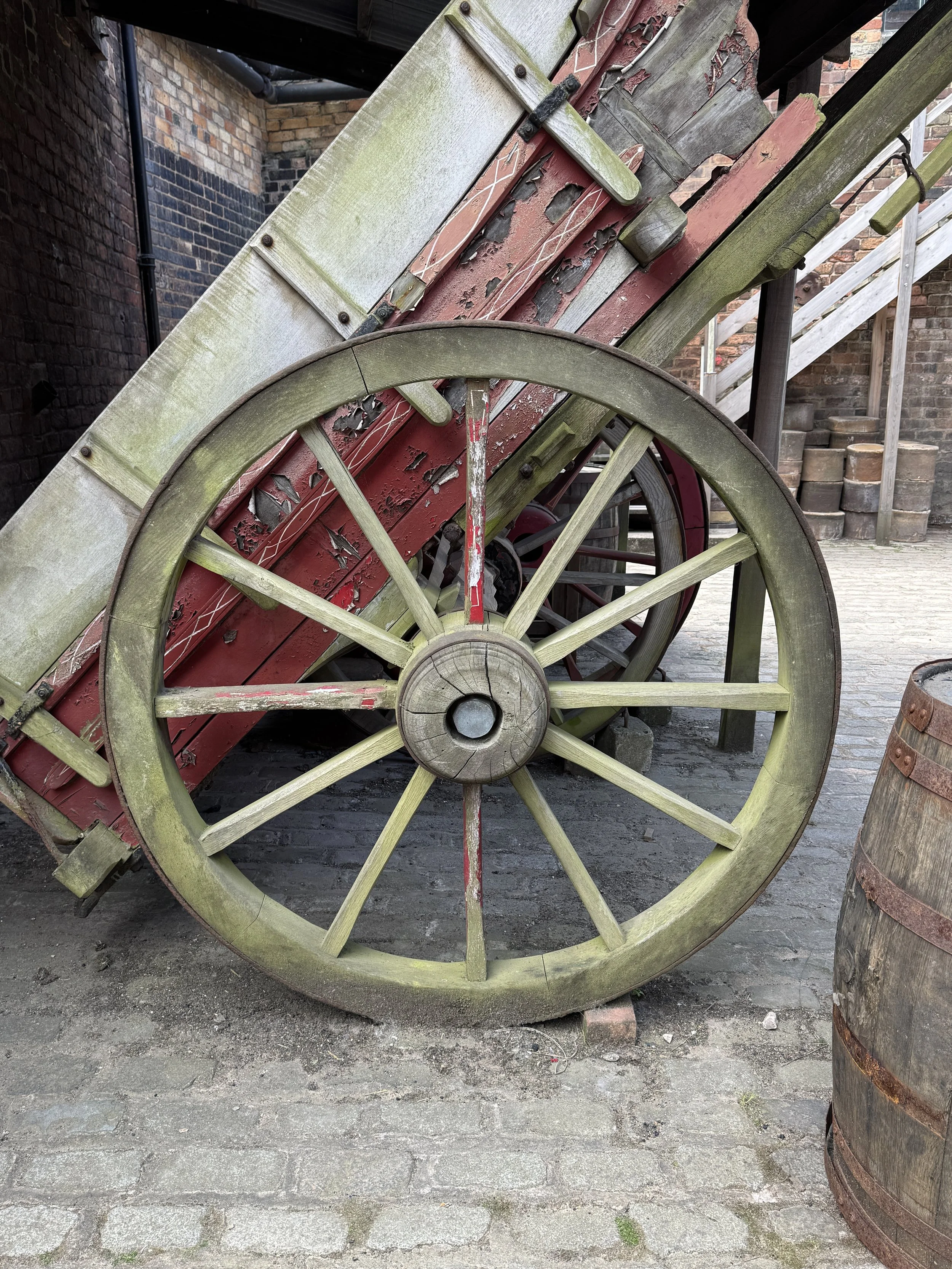
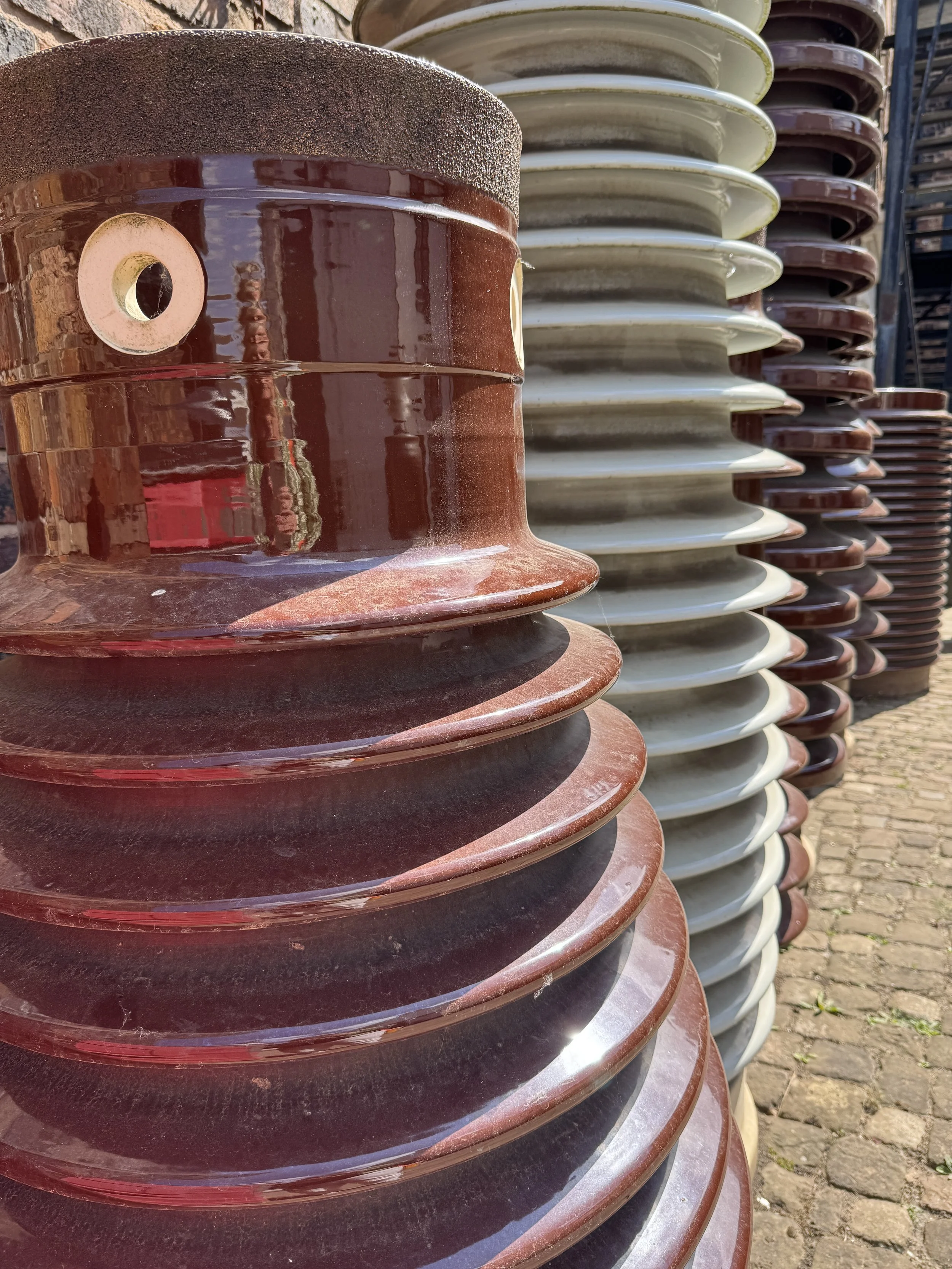
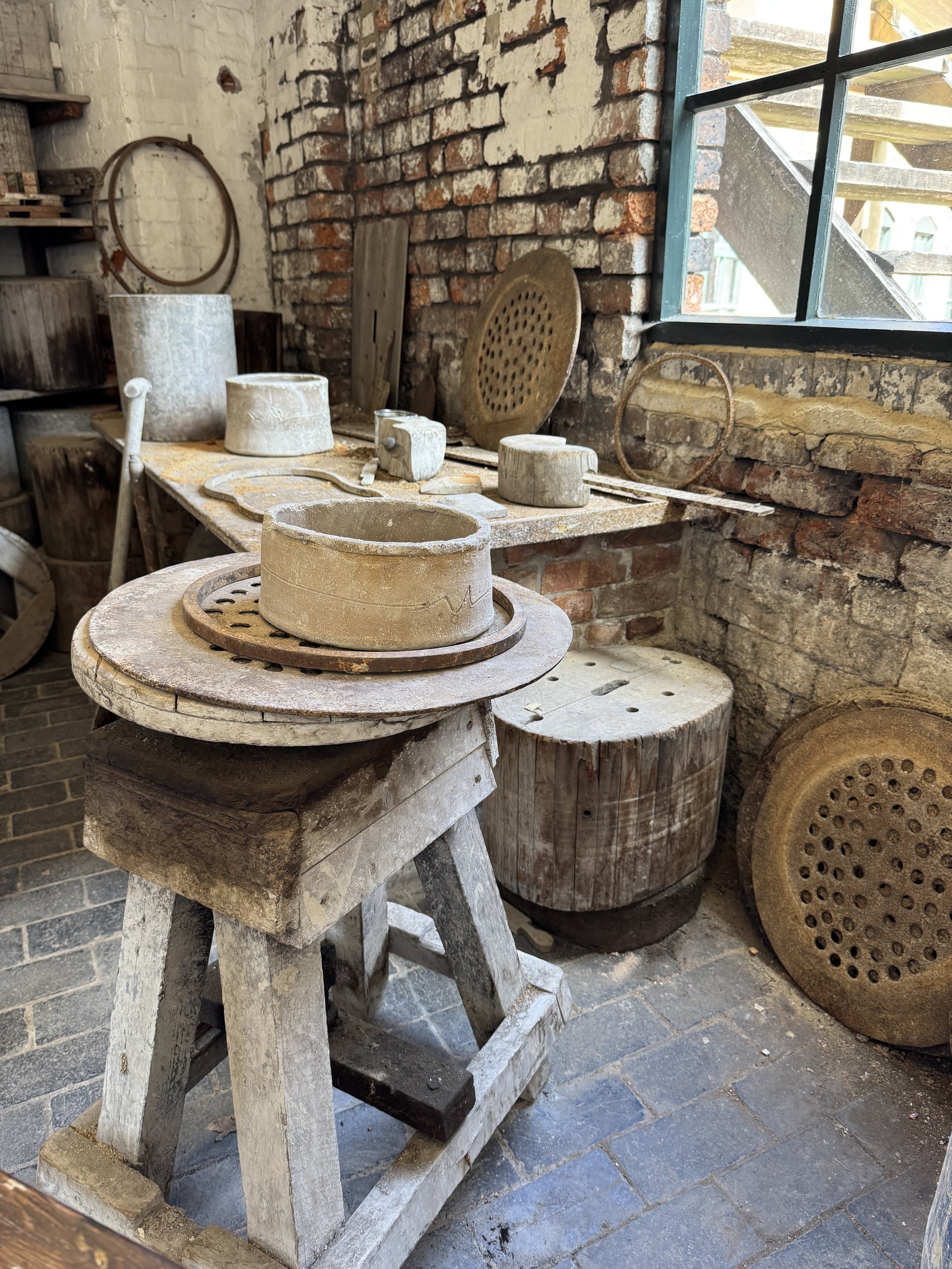
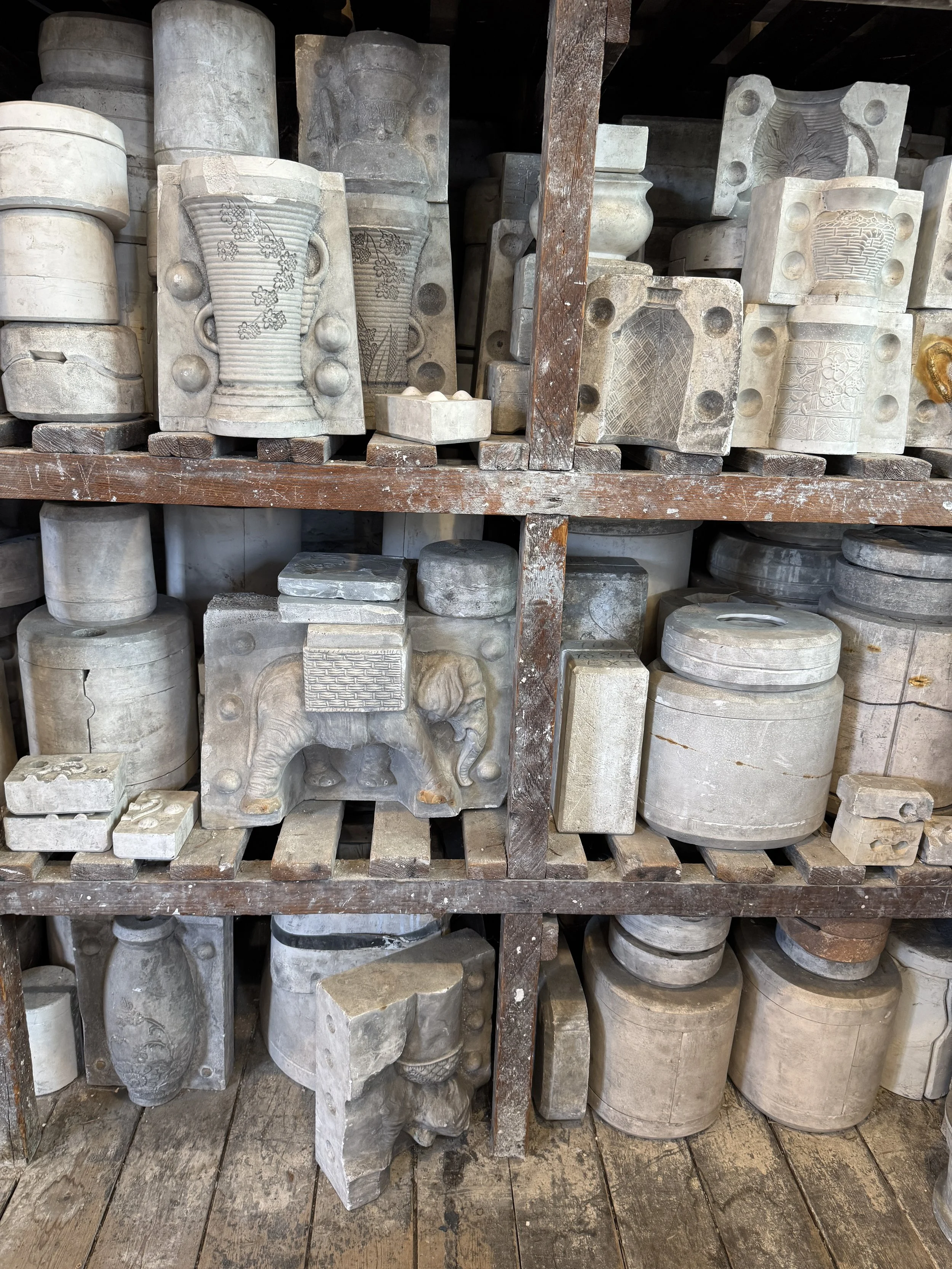
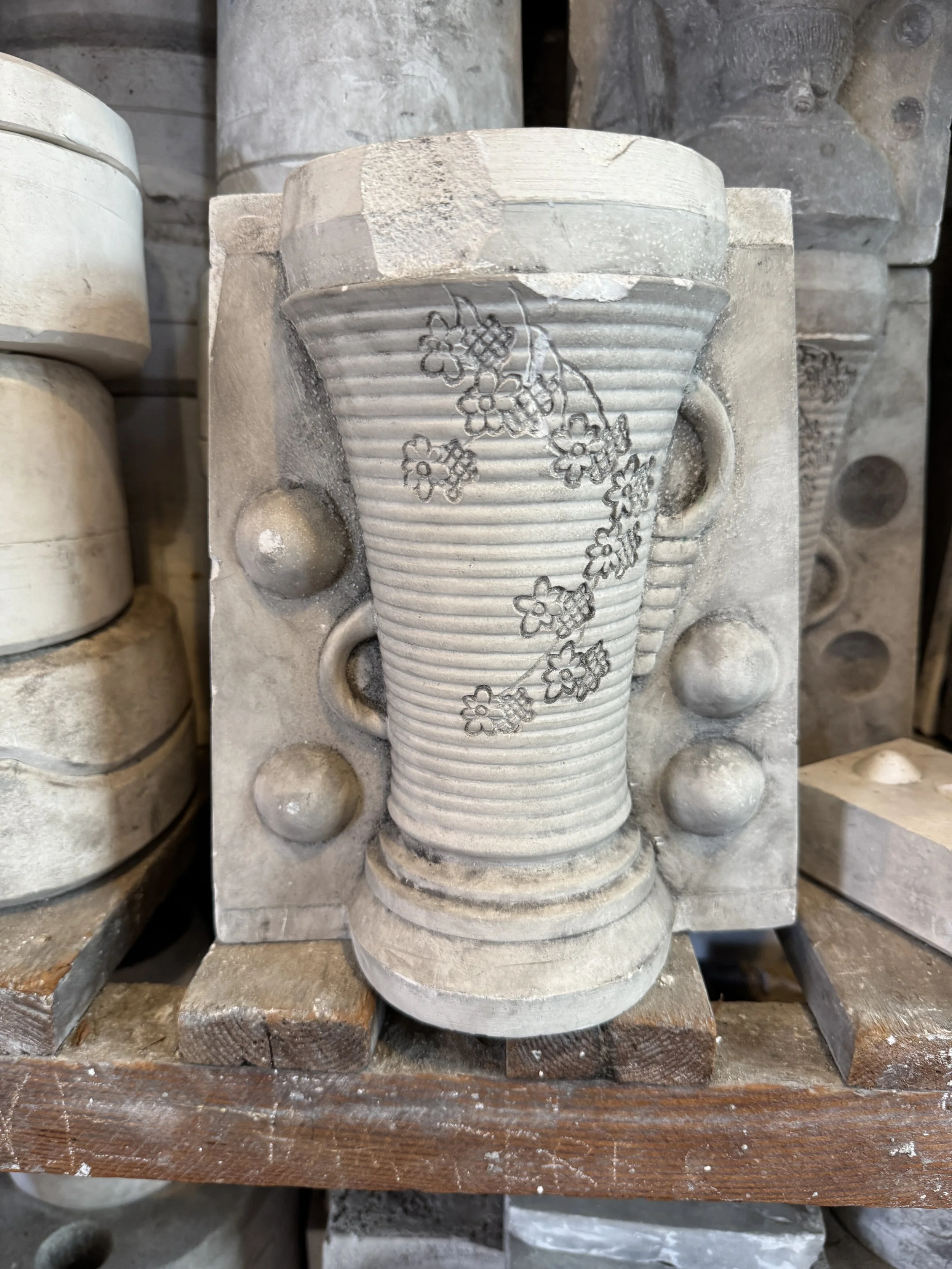
Unlike many museums, Gladstone doesn't feel overly polished or staged. Instead, it feels authentic. The workshops, mould stores, drying rooms and offices retain a sense of real working life, as though the potters have simply stepped away for a tea break.
One of the first things that caught my eye was shelf upon shelf of unfired plates drying before firing. Hundreds of identical forms sat quietly waiting for the next stage of production. There was something incredibly beautiful about their repetition and simplicity.
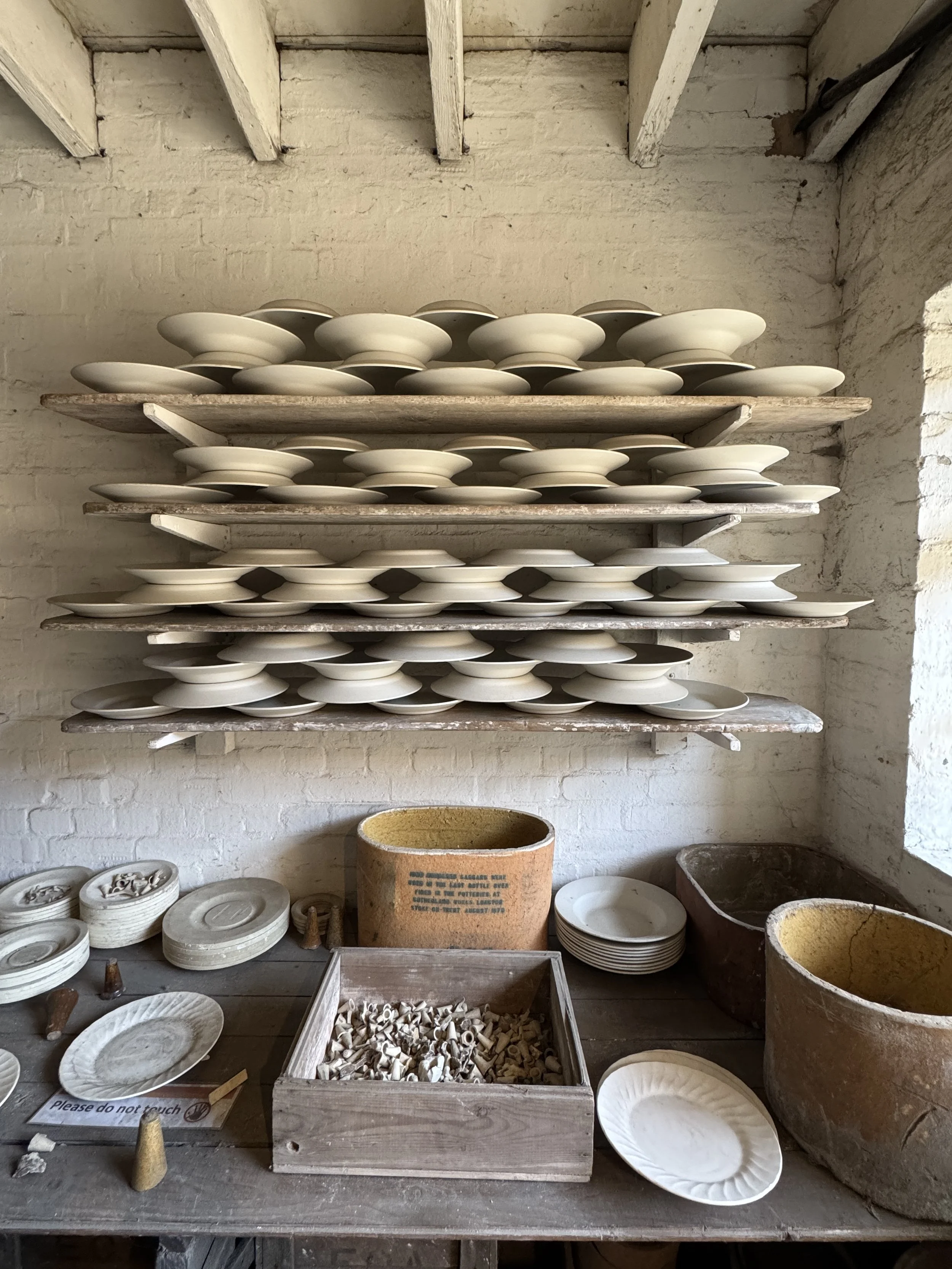
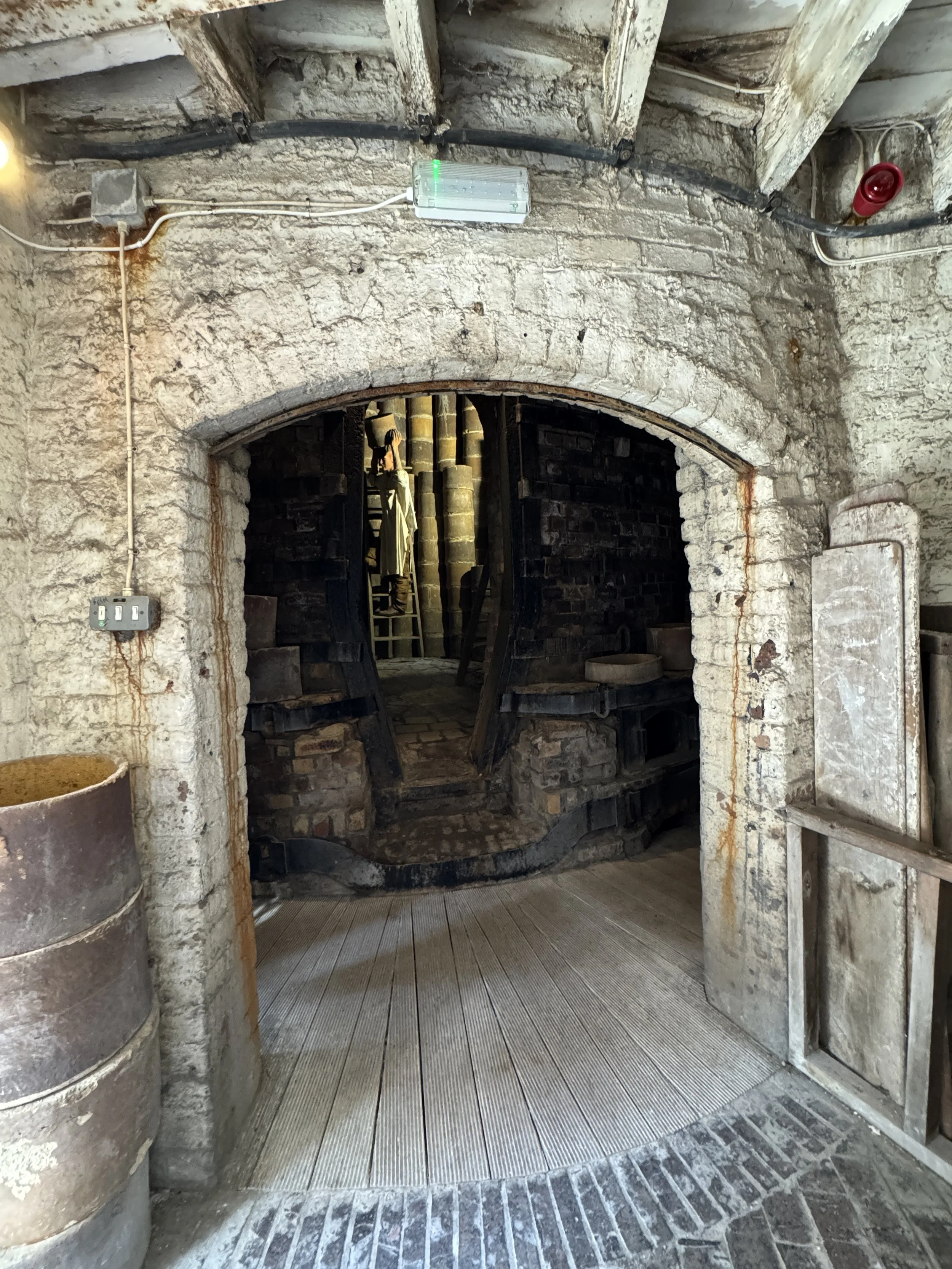
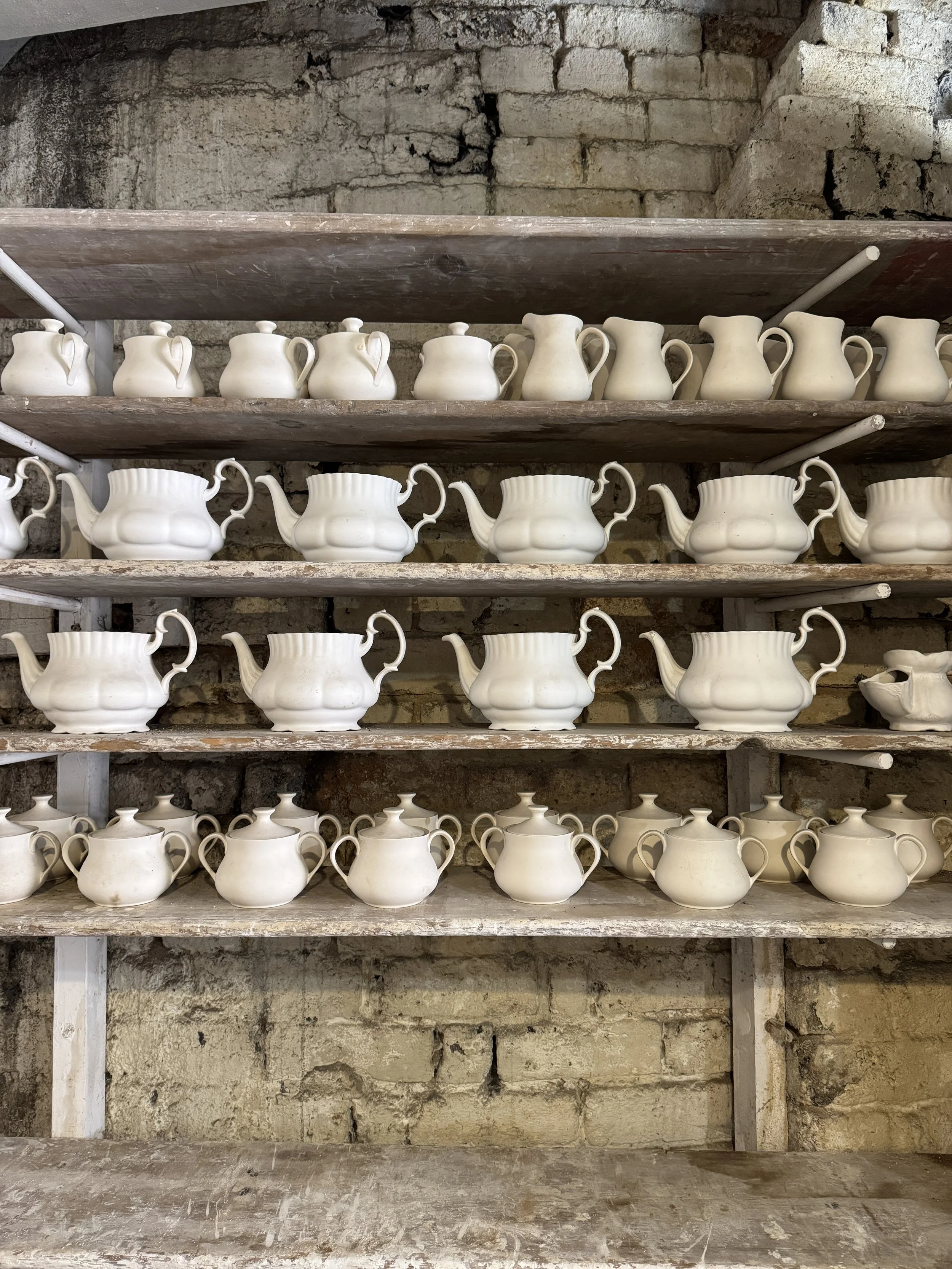
Looking at them, it was impossible not to think about the thousands of hands that had worked here over the decades.
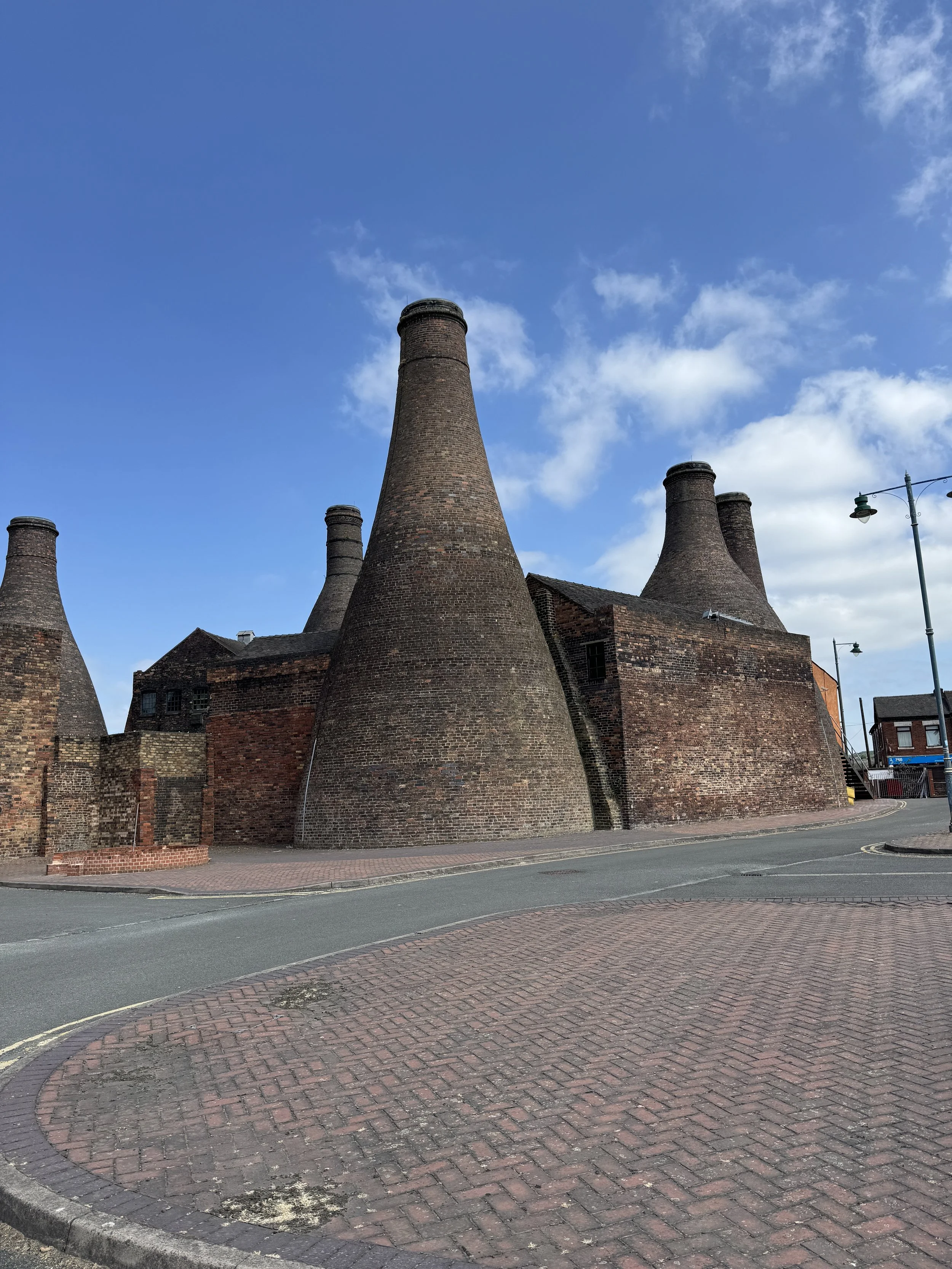
The Iconic Bottle Kilns
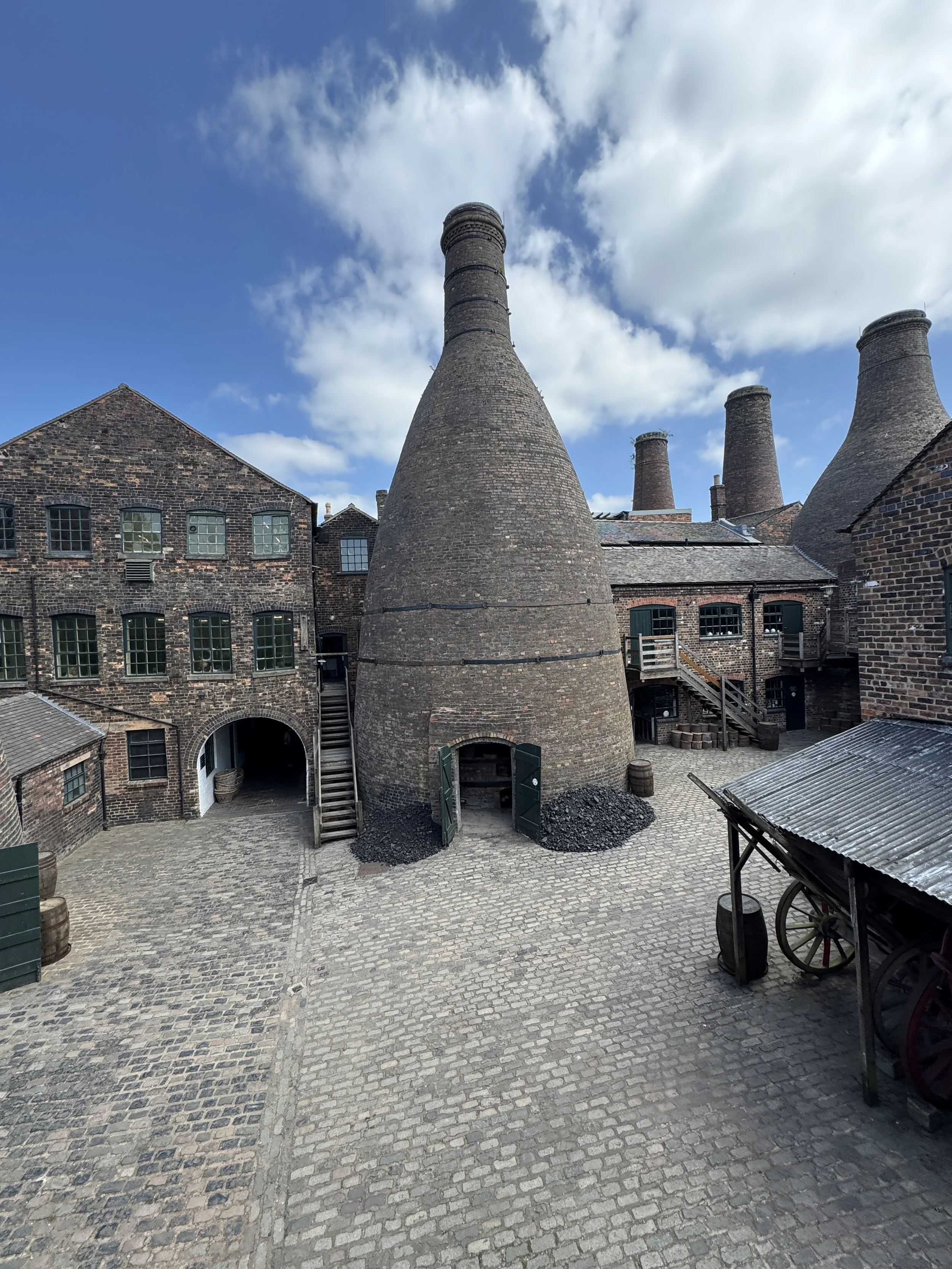
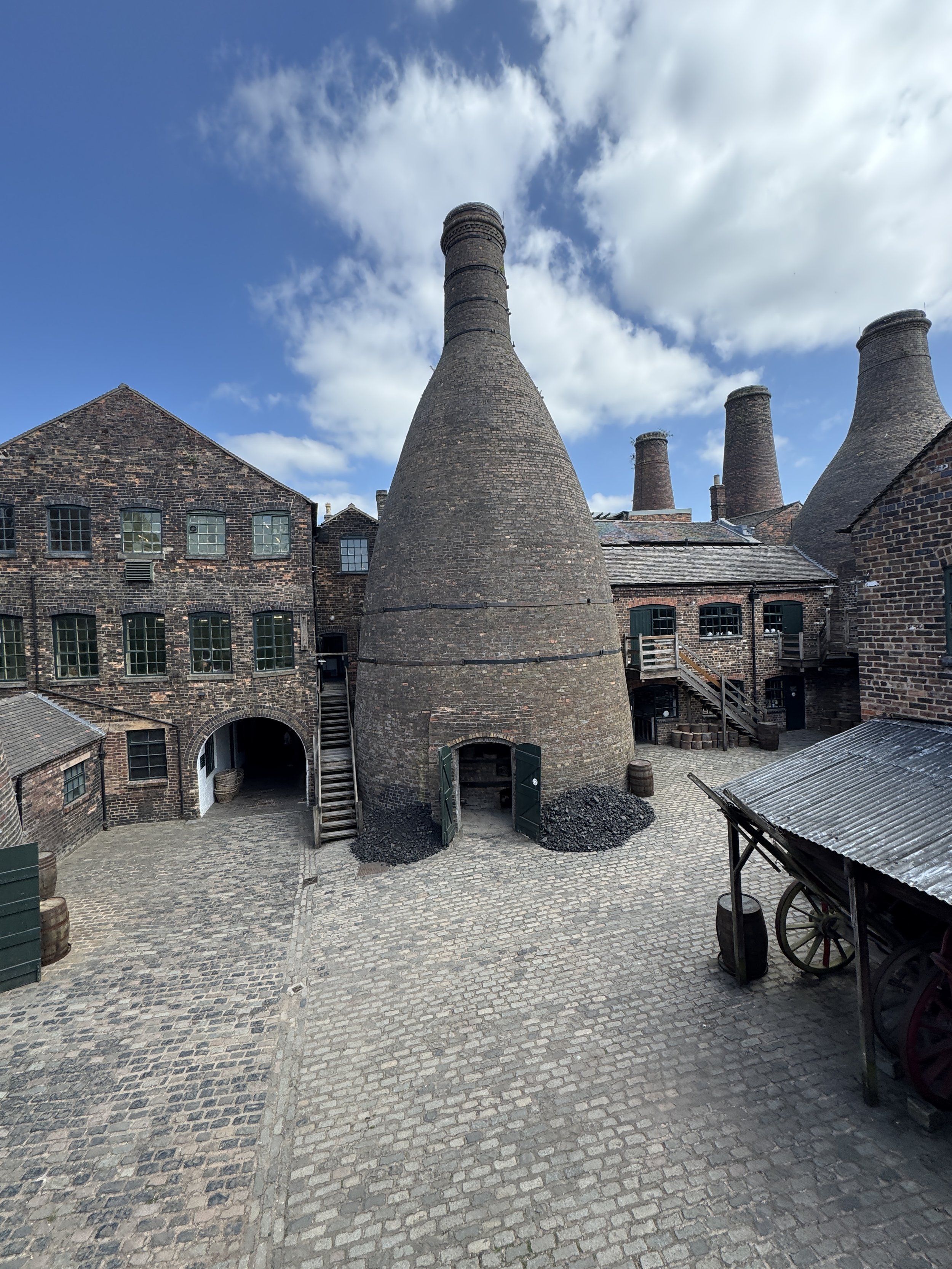
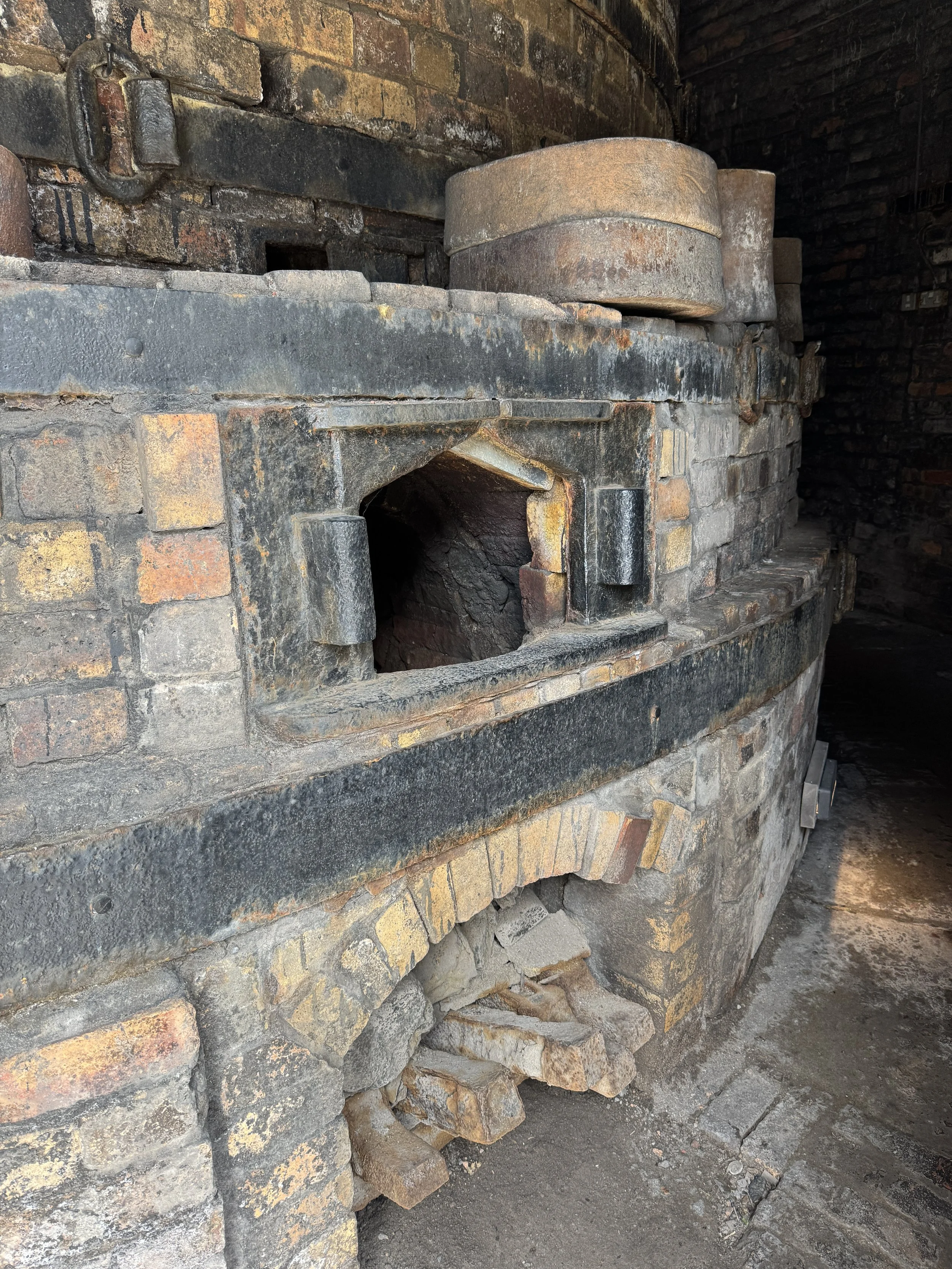
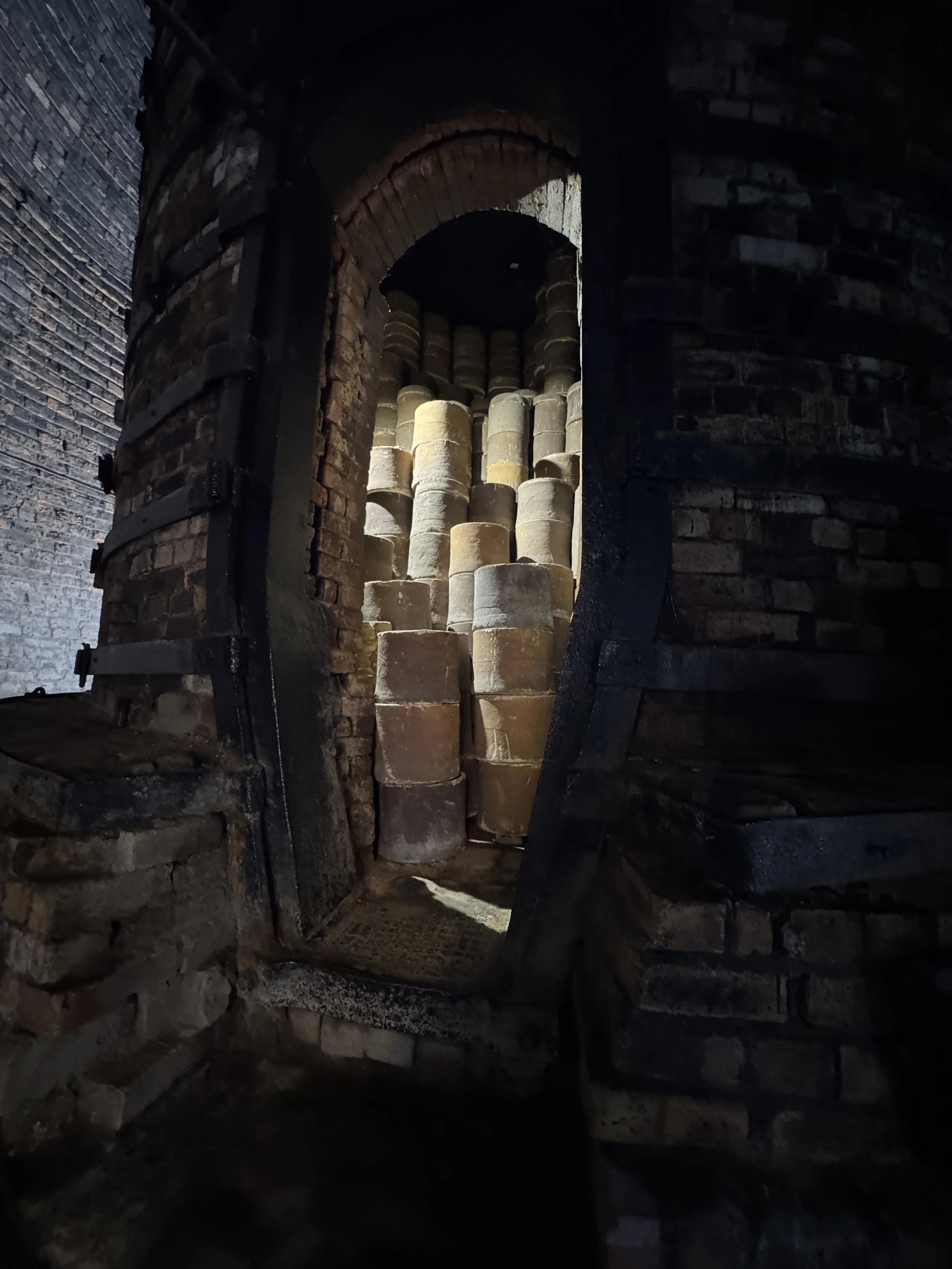
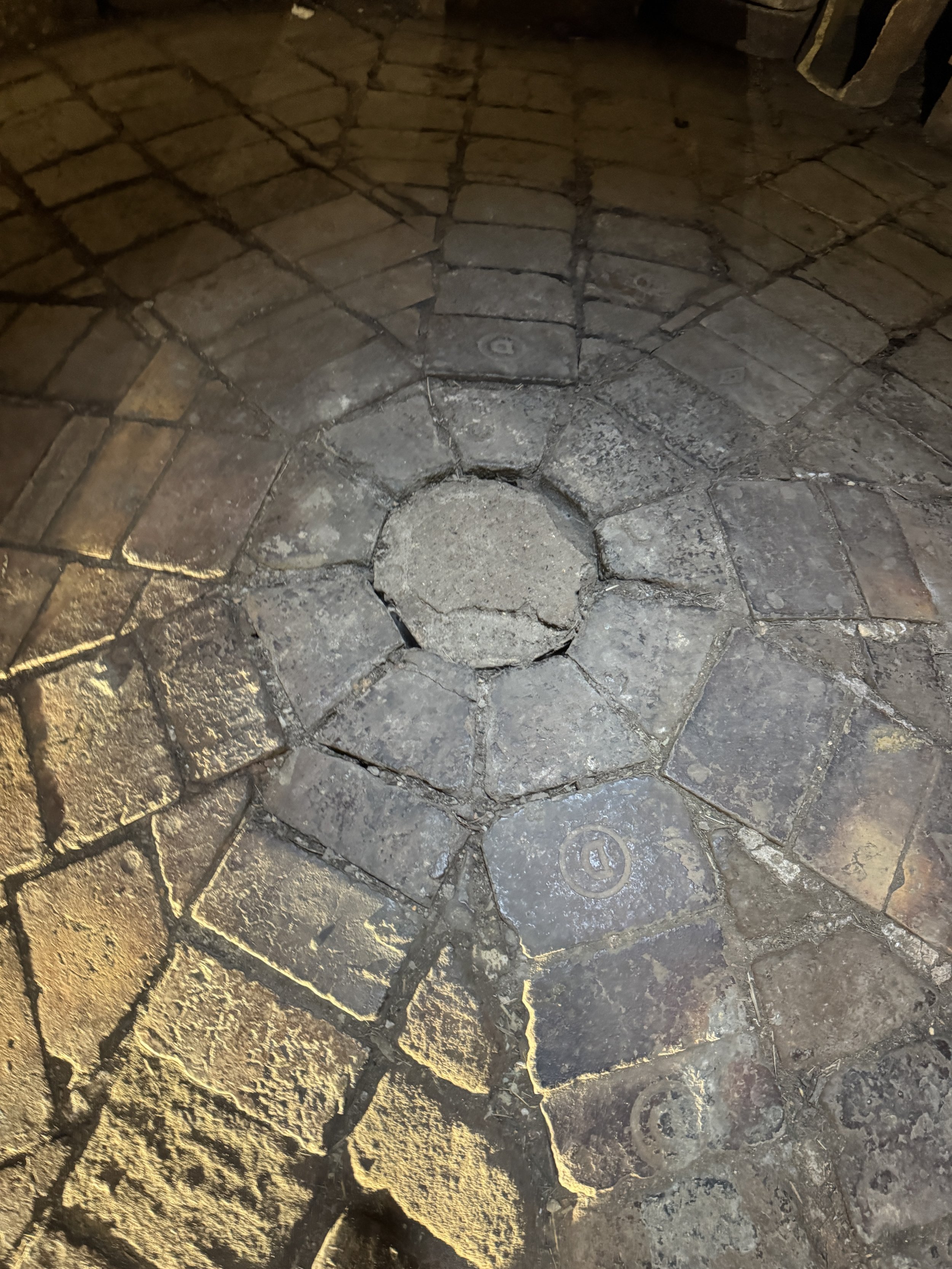
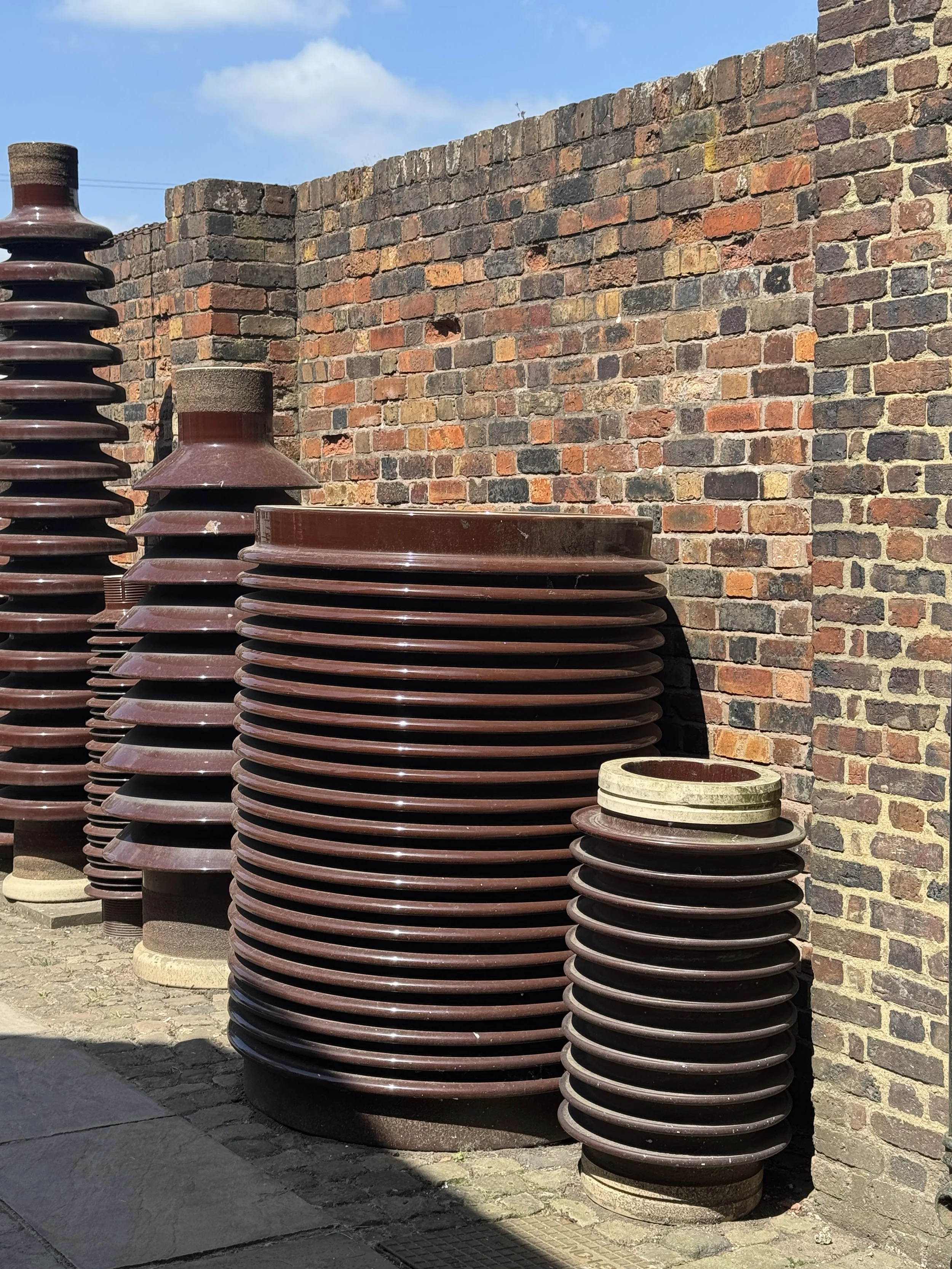
The bottle kilns dominate the site and are perhaps the most recognisable symbols of the Staffordshire pottery industry.
Once common across Stoke-on-Trent, these towering brick structures fired the ceramics that found their way into homes across Britain and around the world.
Standing beneath them gives a real appreciation of the scale of the industry. Looking up at the vast brickwork and imagining the heat generated inside, it becomes clear just how much effort went into producing what many of us think of as everyday objects.
For someone who has spent over forty years admiring pottery, seeing the kilns where pieces were actually fired was genuinely exciting.
Colour, Glaze and Creativity
One of my favourite areas was the collection of glaze tests and colour samples.
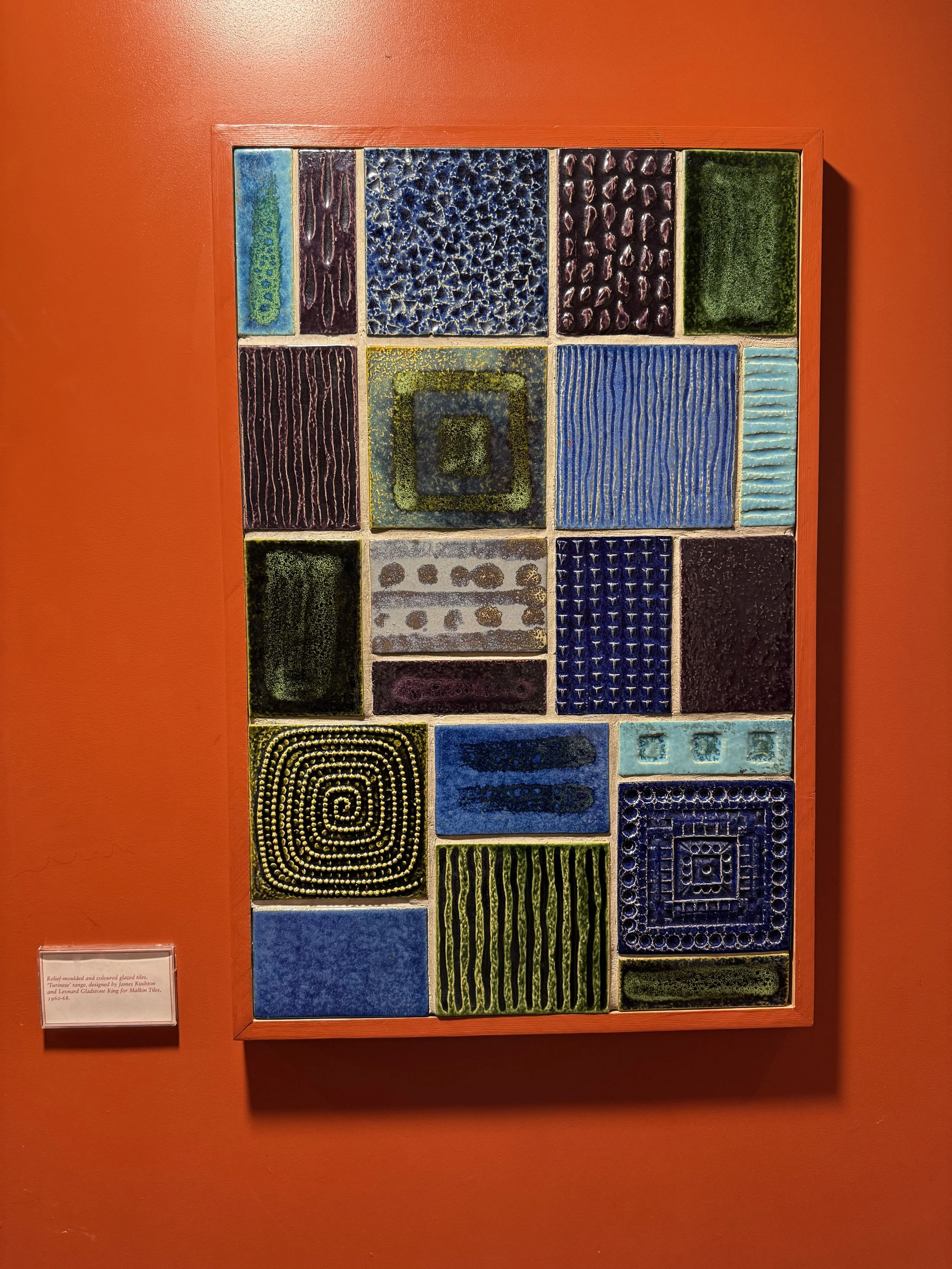
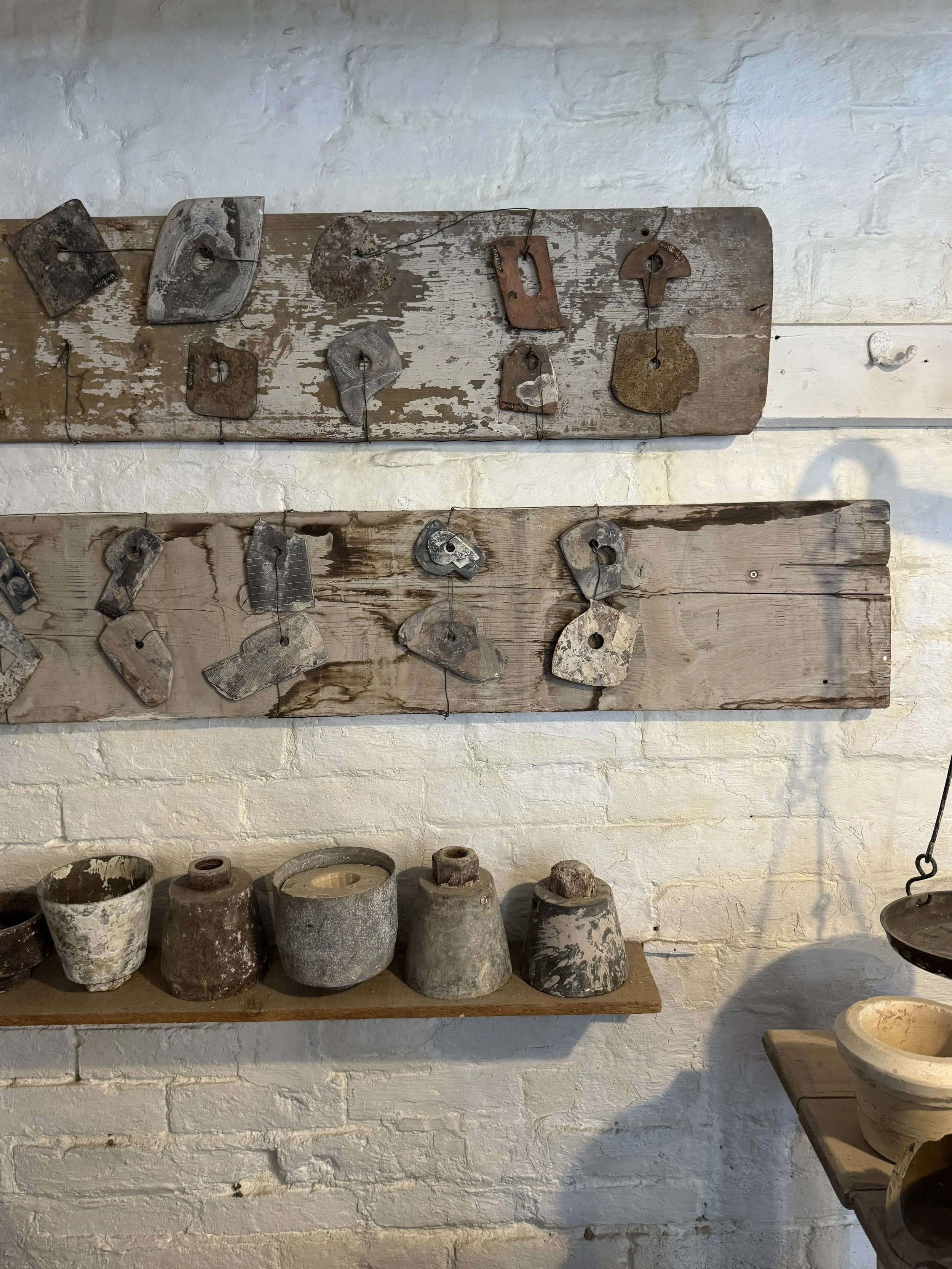
Cabinets filled with carefully labelled ceramic test pieces revealed decades of experimentation with colour. Rich blues, earthy greens, warm ochres and delicate pinks sat side by side, each representing countless hours of testing and refinement.
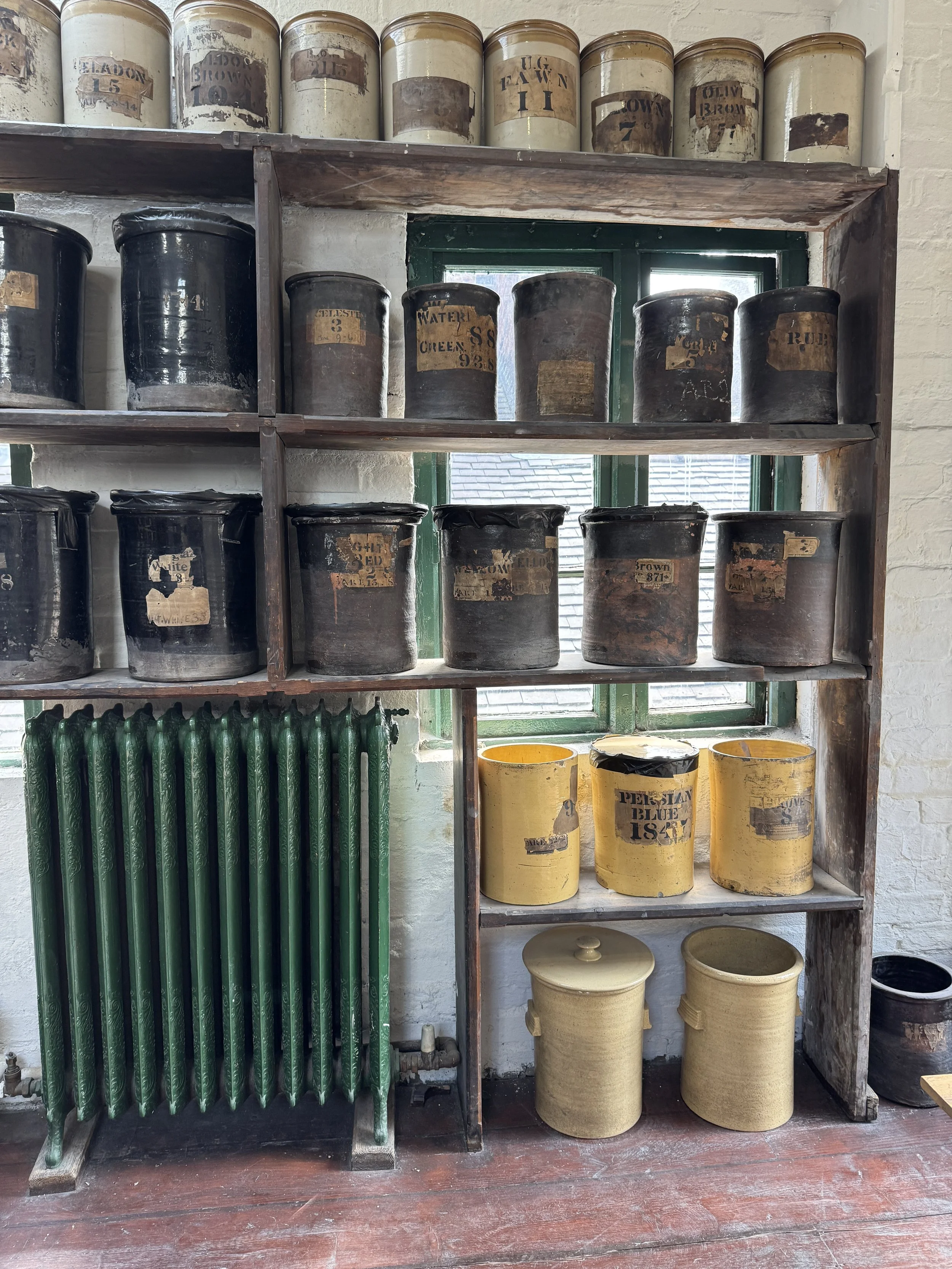
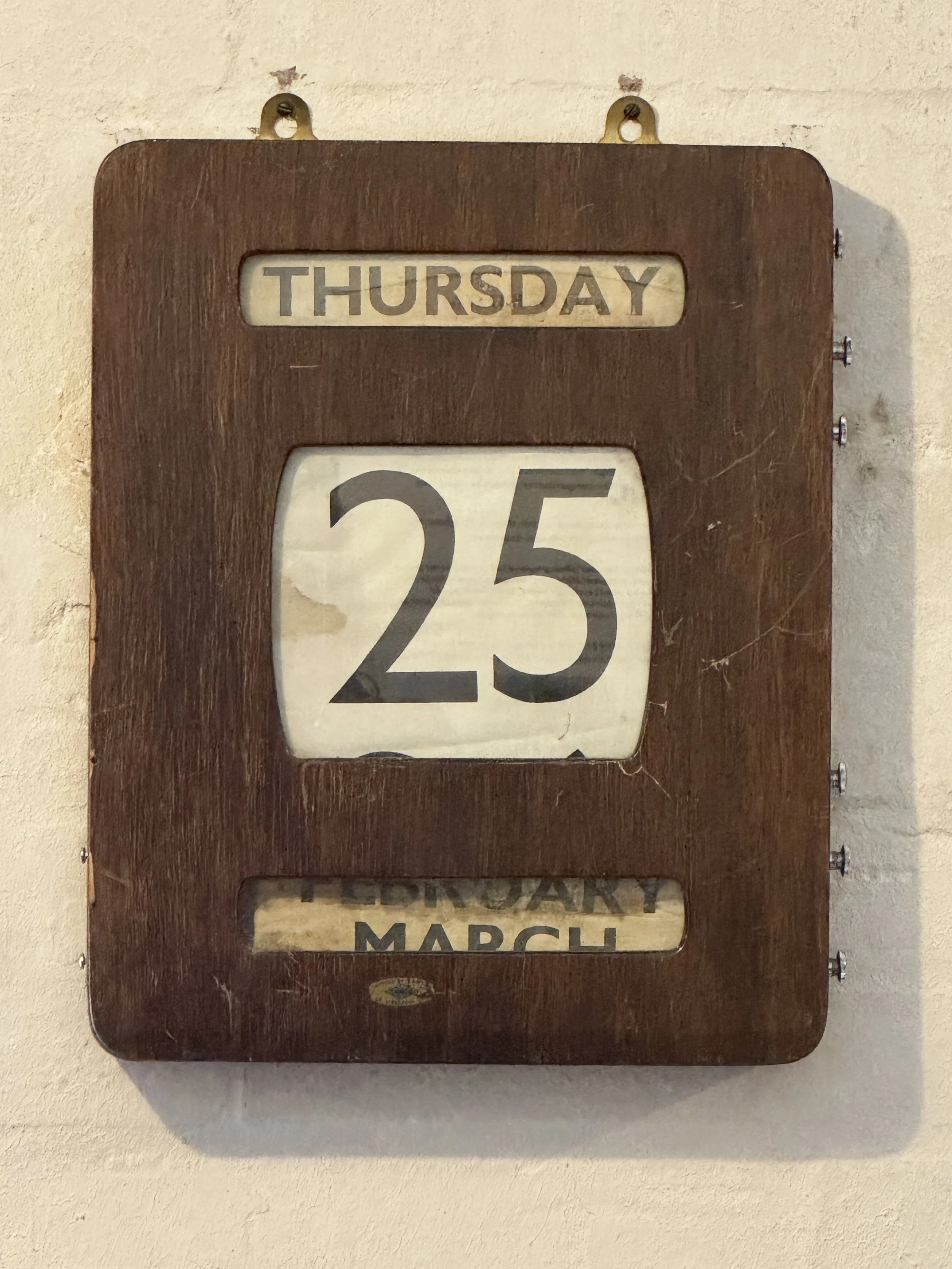
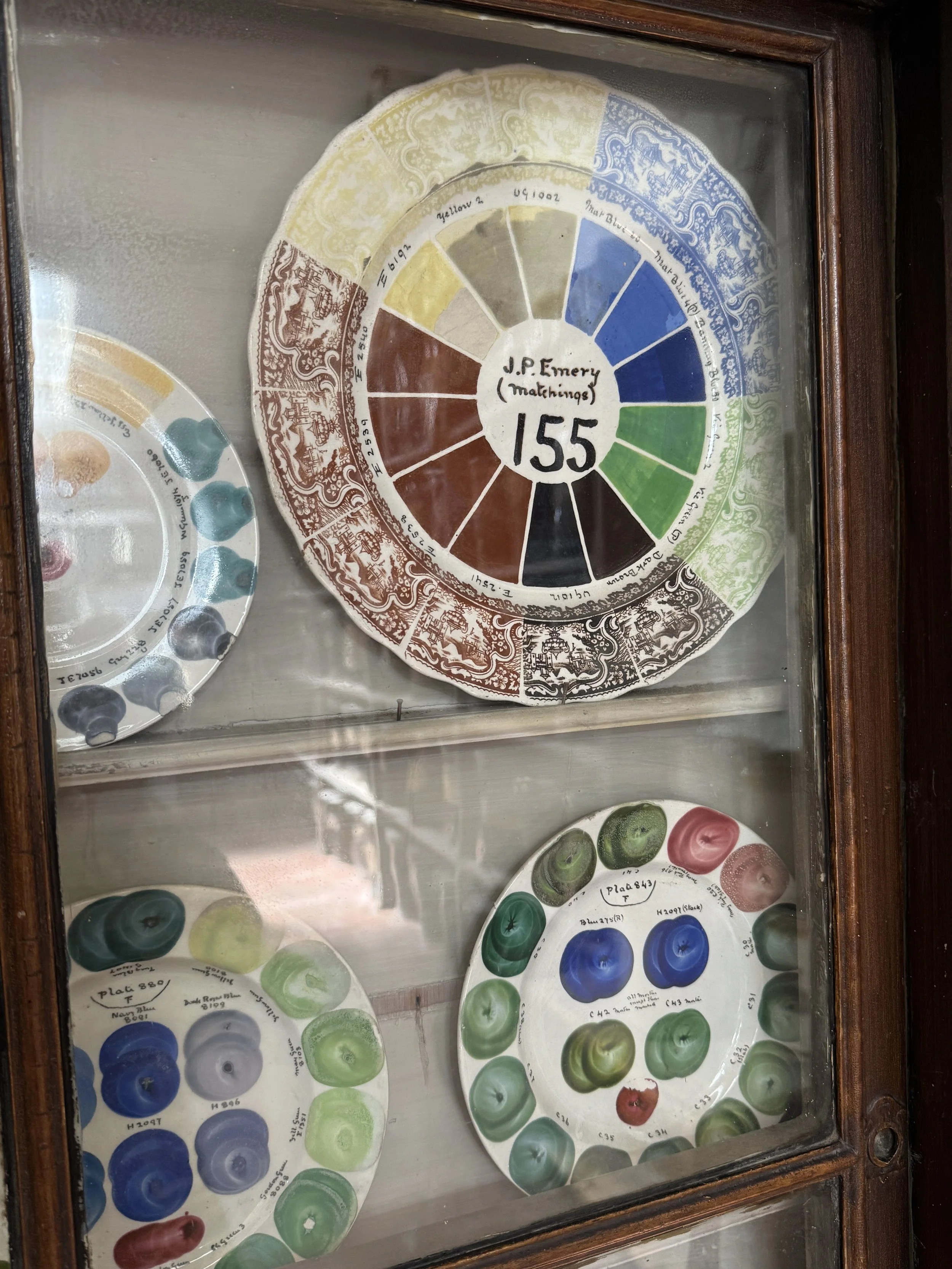
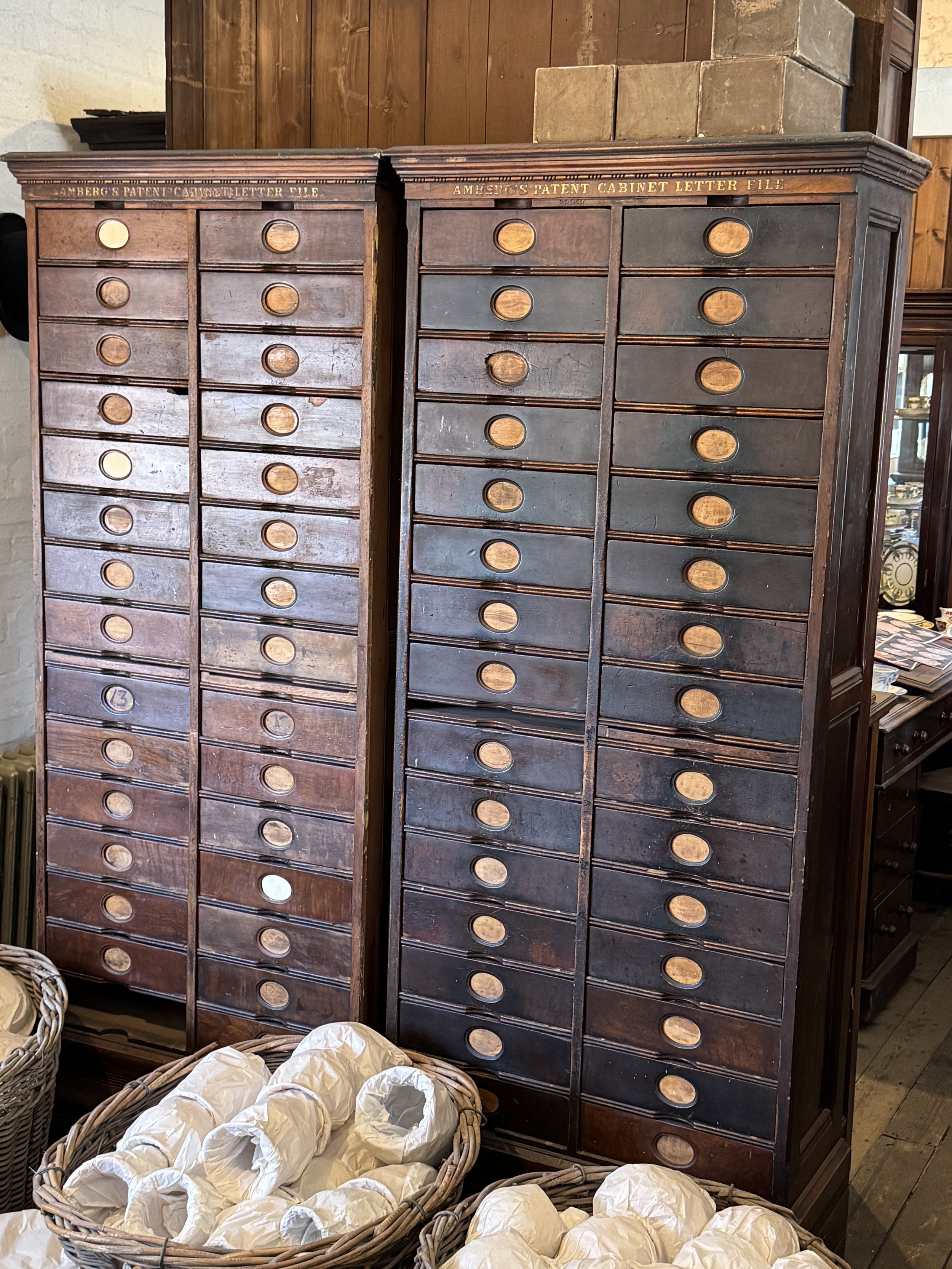
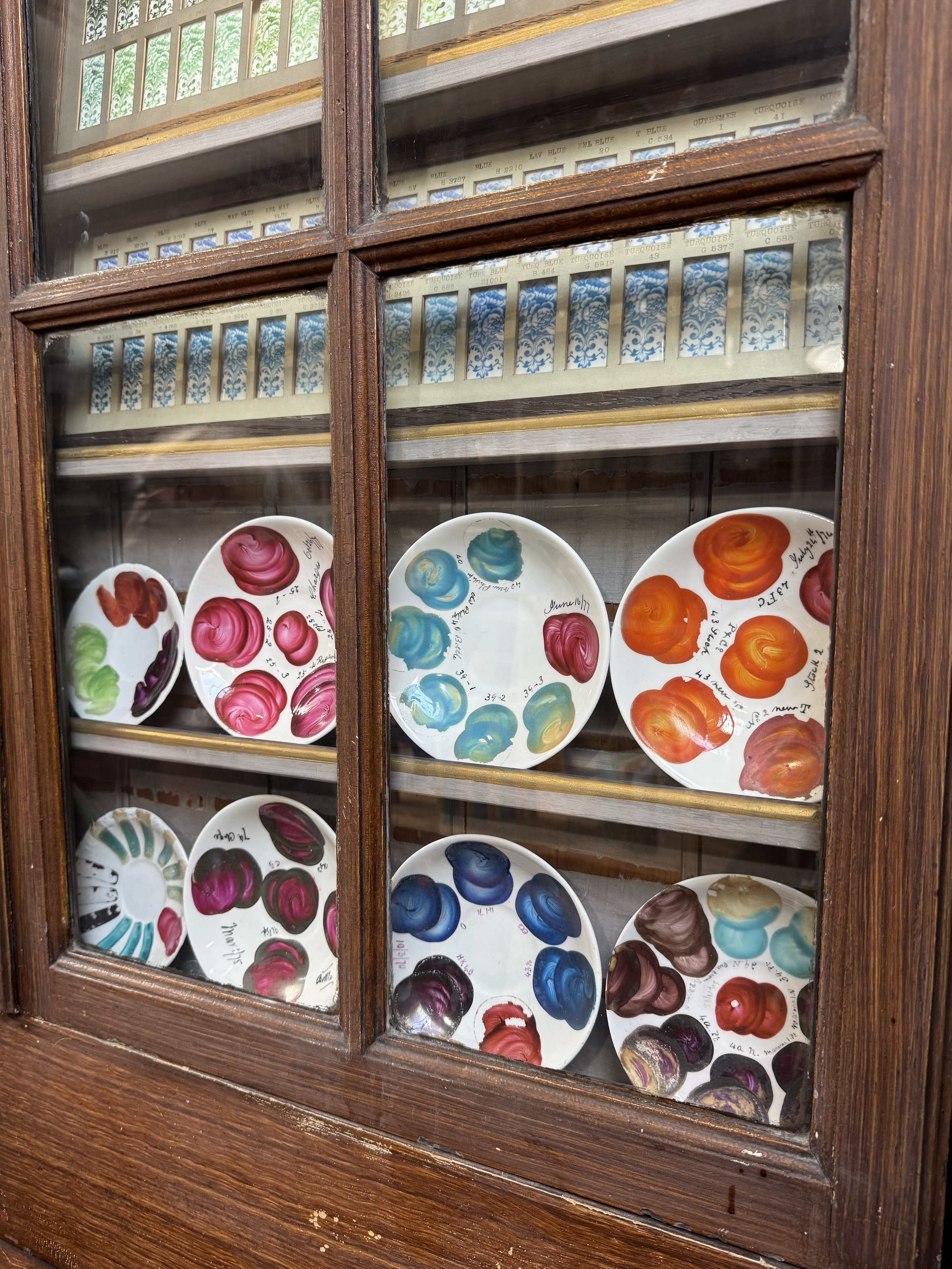

As an interior designer, colour is something I think about every day, and these displays felt surprisingly contemporary. The glaze chemists and designers who worked here understood colour every bit as well as today's designers.
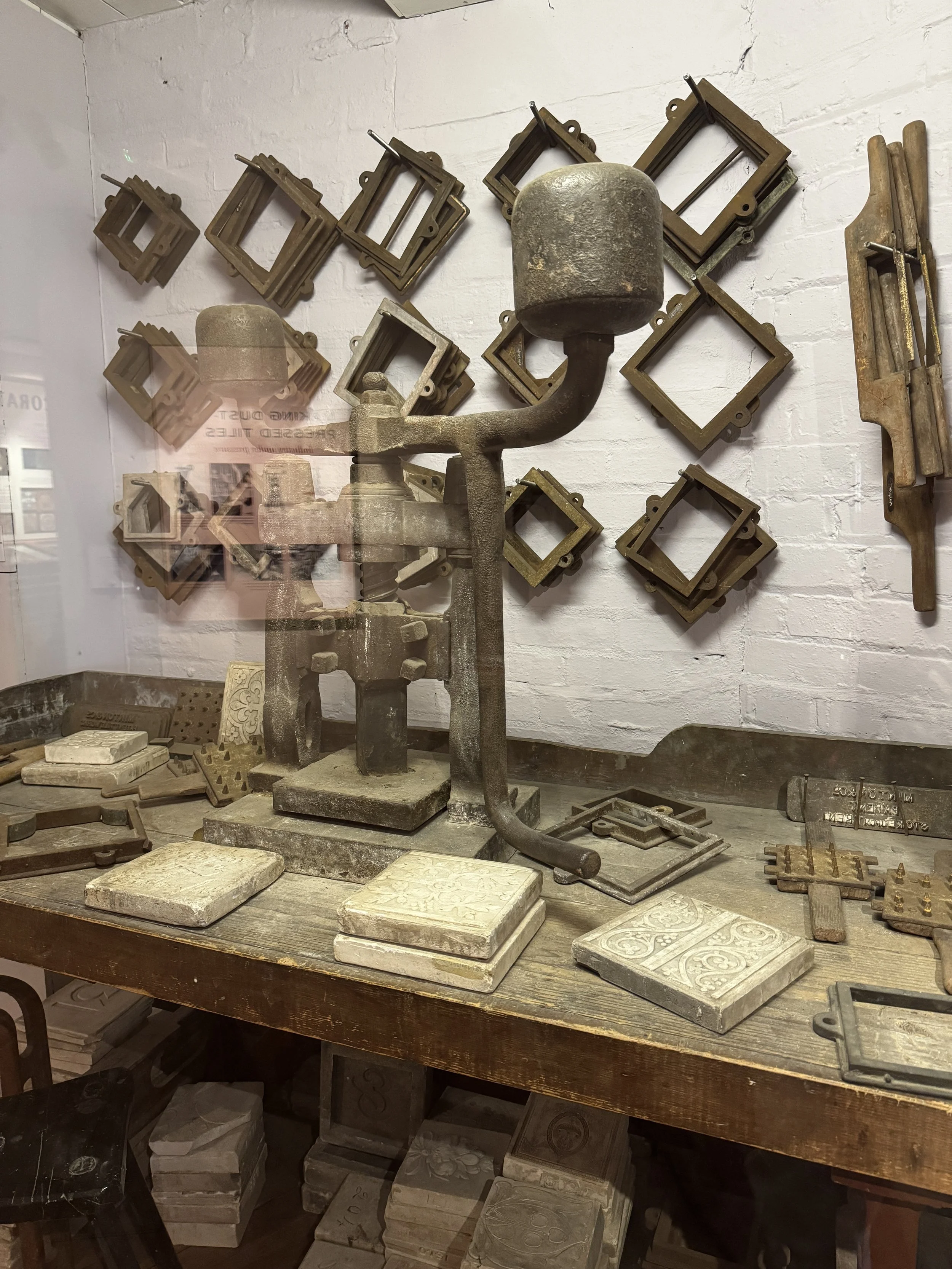
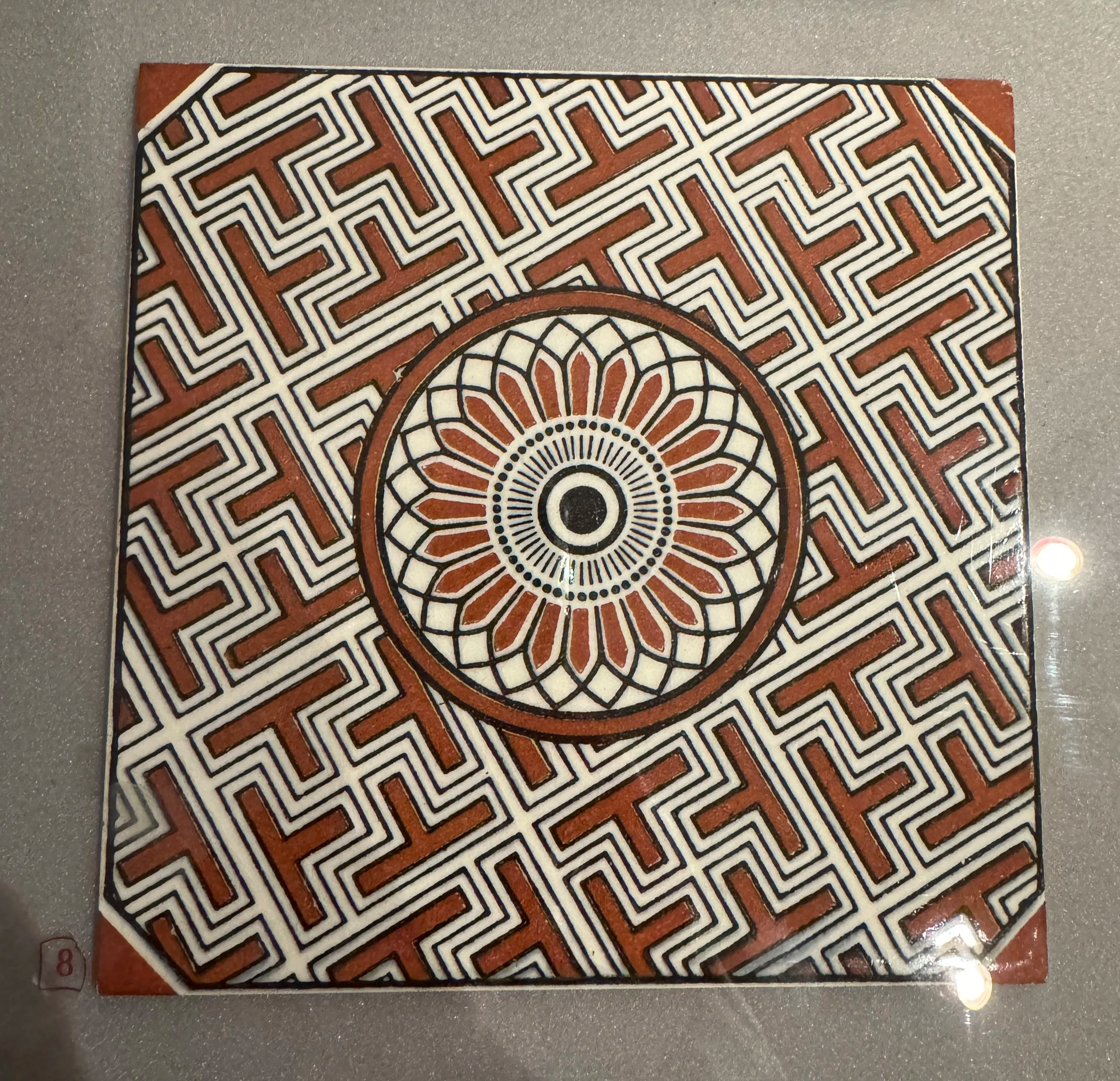
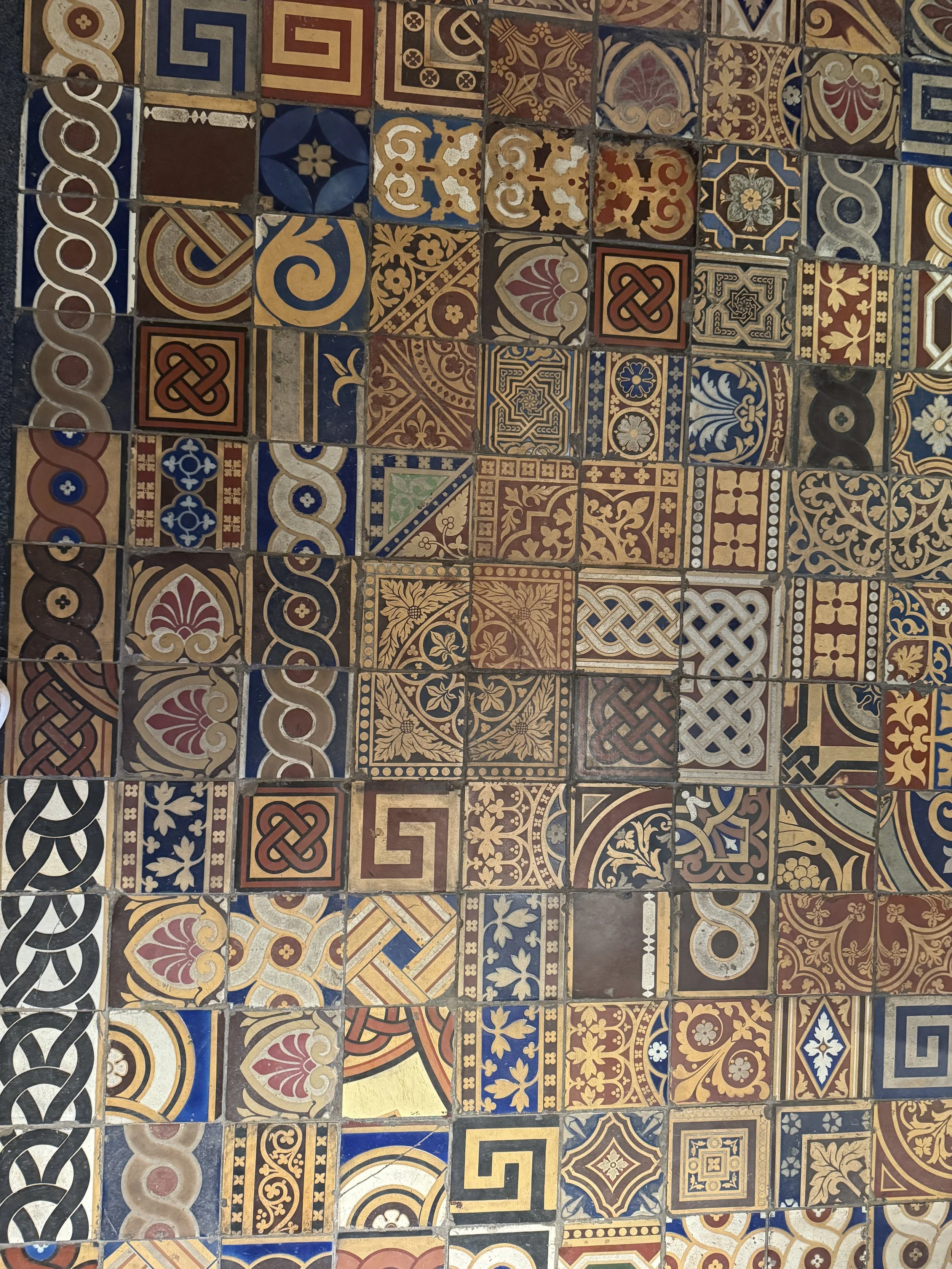
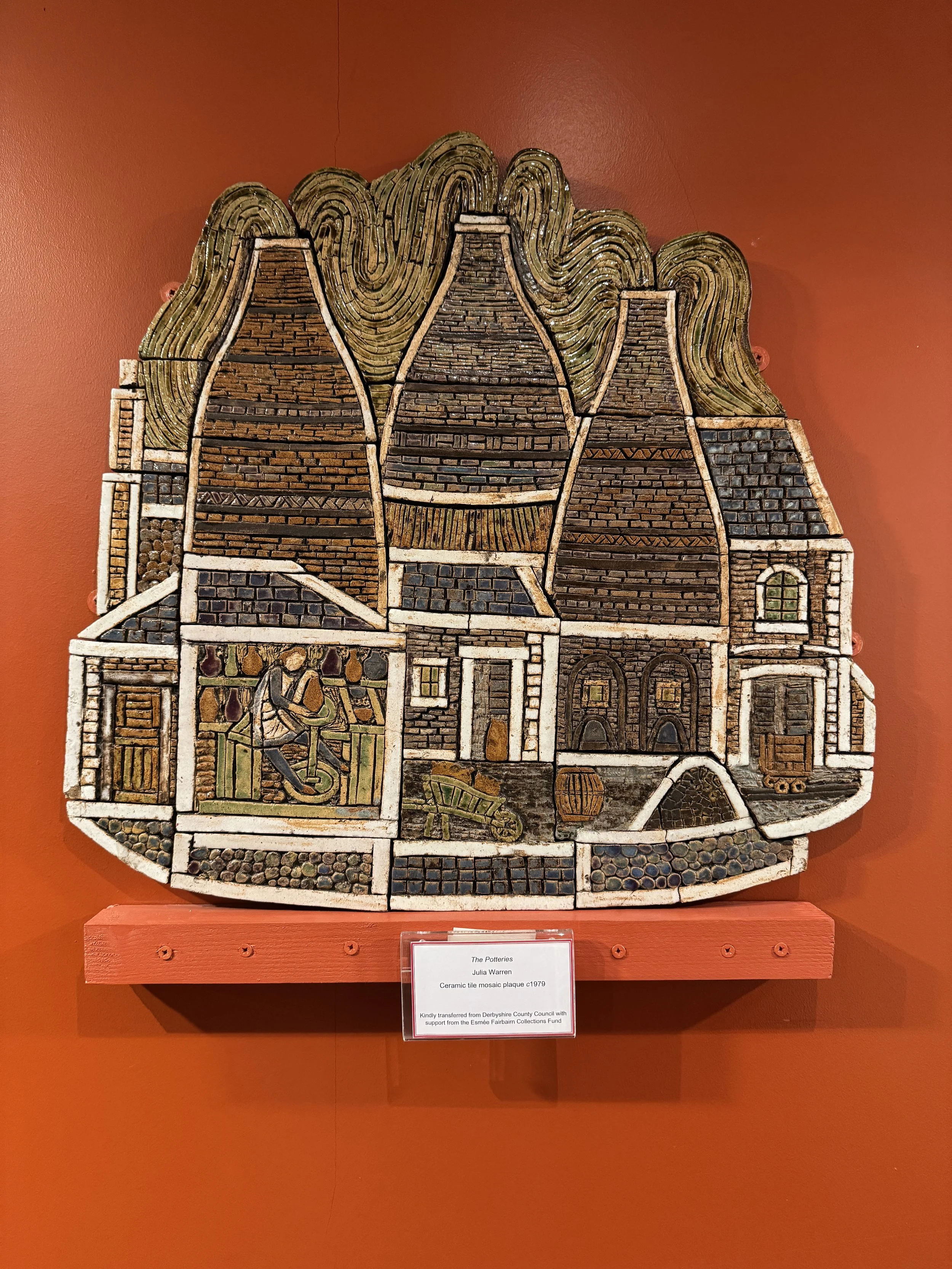
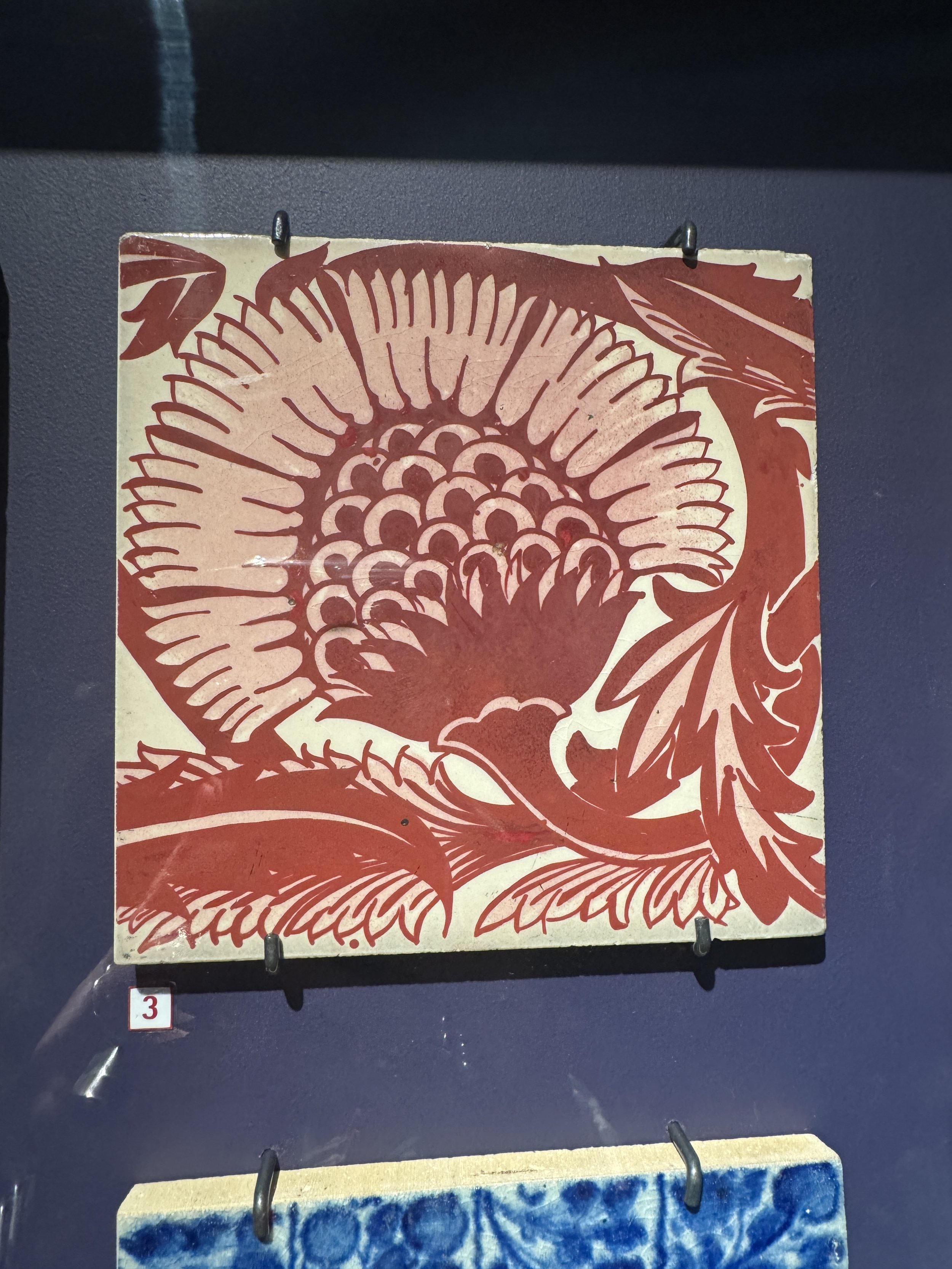
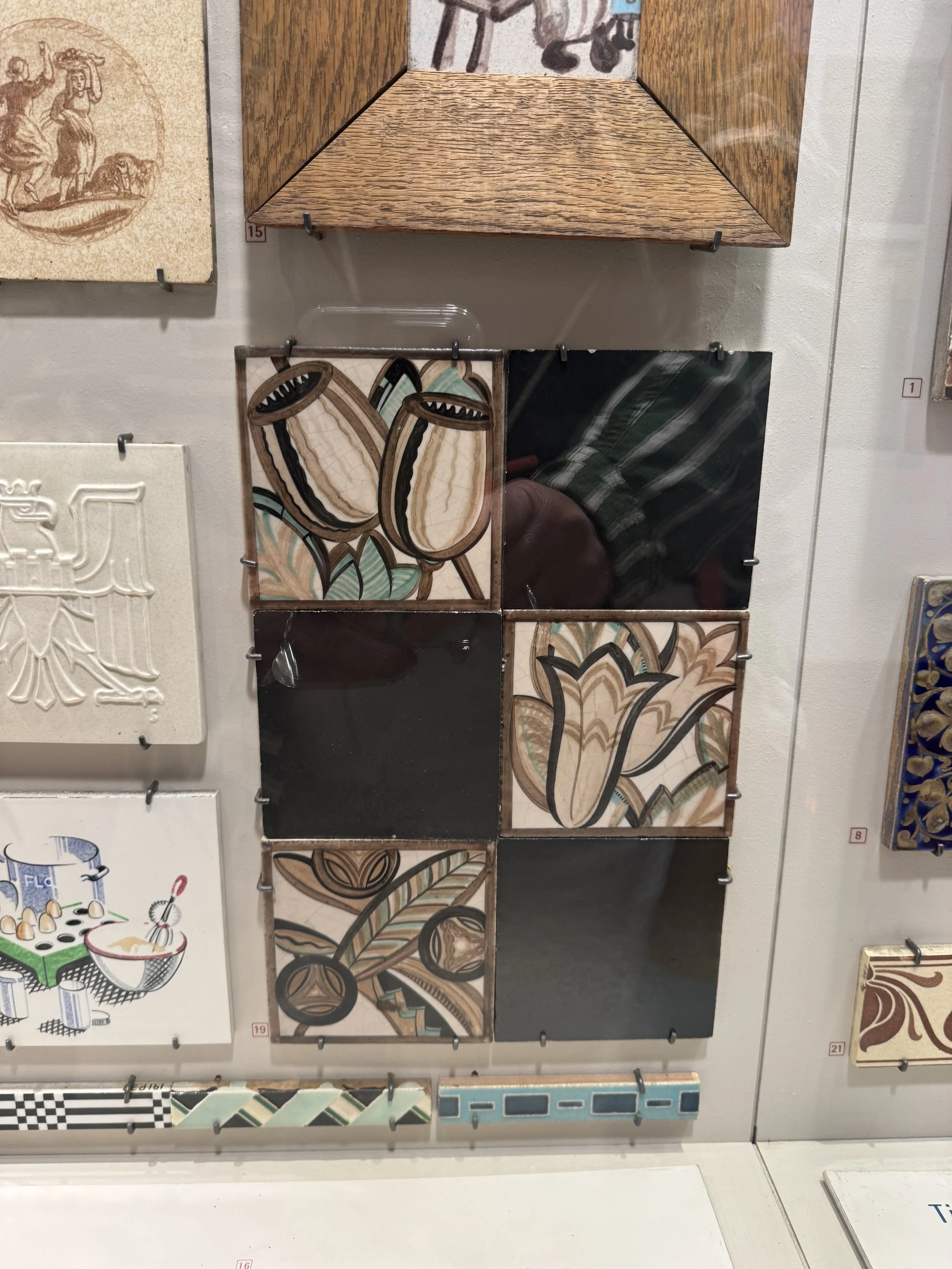
The beautiful decorative tiles were equally inspiring. Many of the patterns and colours produced in Staffordshire found their way into Victorian and Edwardian homes, public buildings and railway stations throughout Britain.
Looking closely at the tiles, it is easy to see how many modern interior trends still draw inspiration from these historic designs.
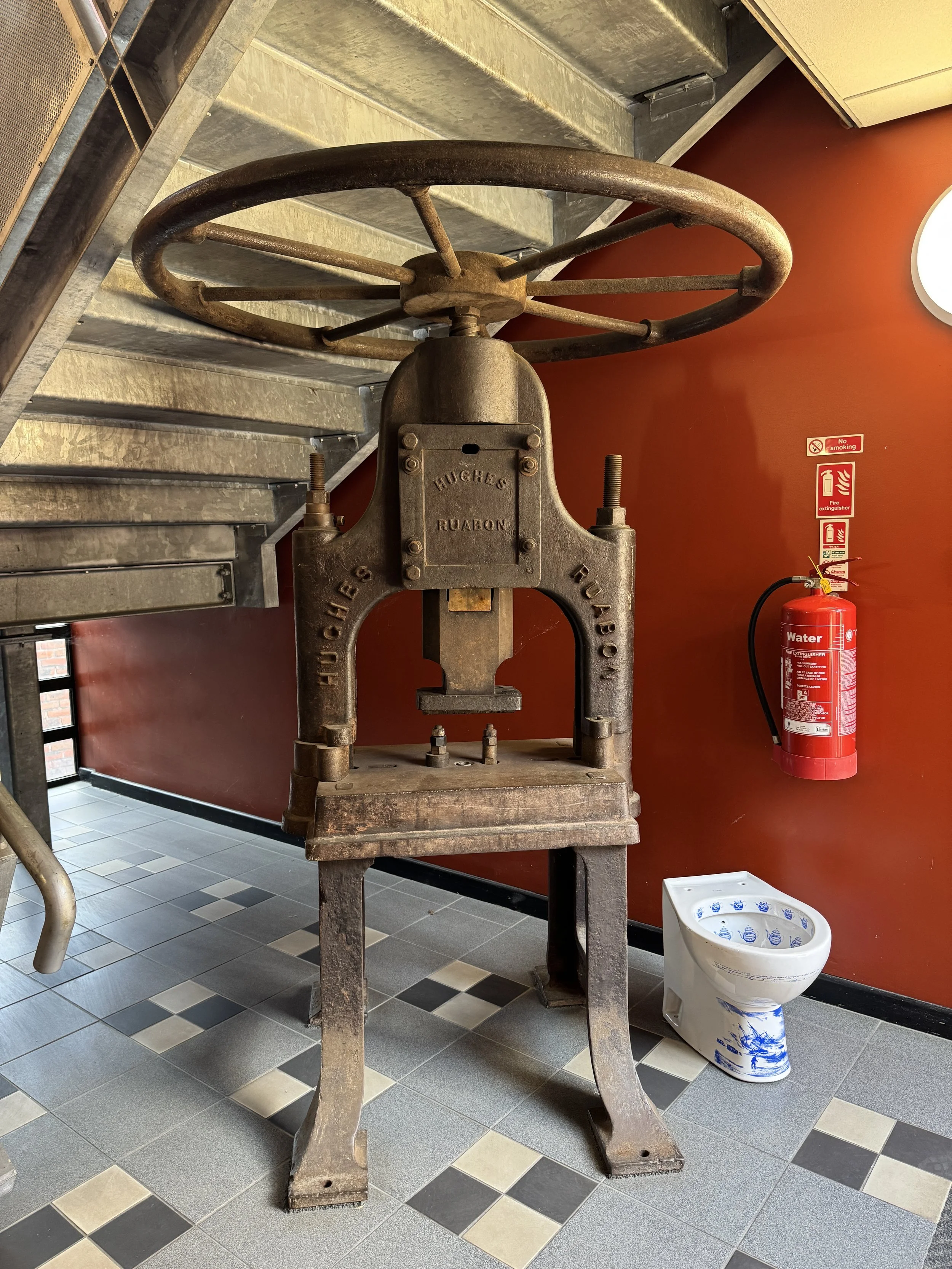
More Than Teacups and Plates
One of the biggest surprises was discovering how much more the pottery industry produced beyond traditional tableware.
An entire exhibition explored the history of the toilet and bathroom design, charting the evolution of sanitation and ceramic sanitaryware.
As someone who regularly designs bathrooms for clients, I found this unexpectedly fascinating.
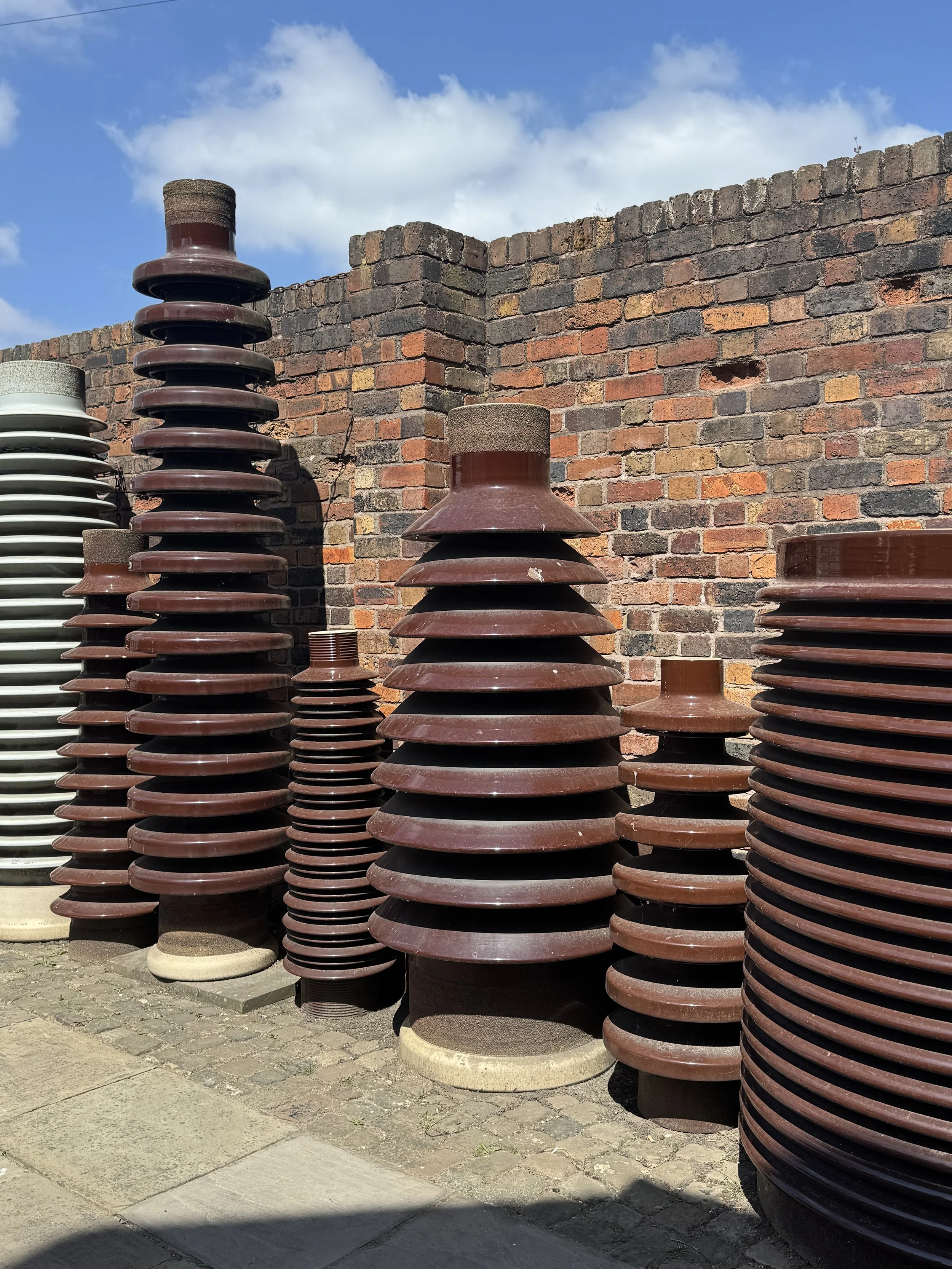
The exhibition included everything from early sanitaryware and colourful retro bathroom suites to futuristic concepts and Japanese smart toilets. It was a reminder that design innovation extends far beyond furniture and decoration.
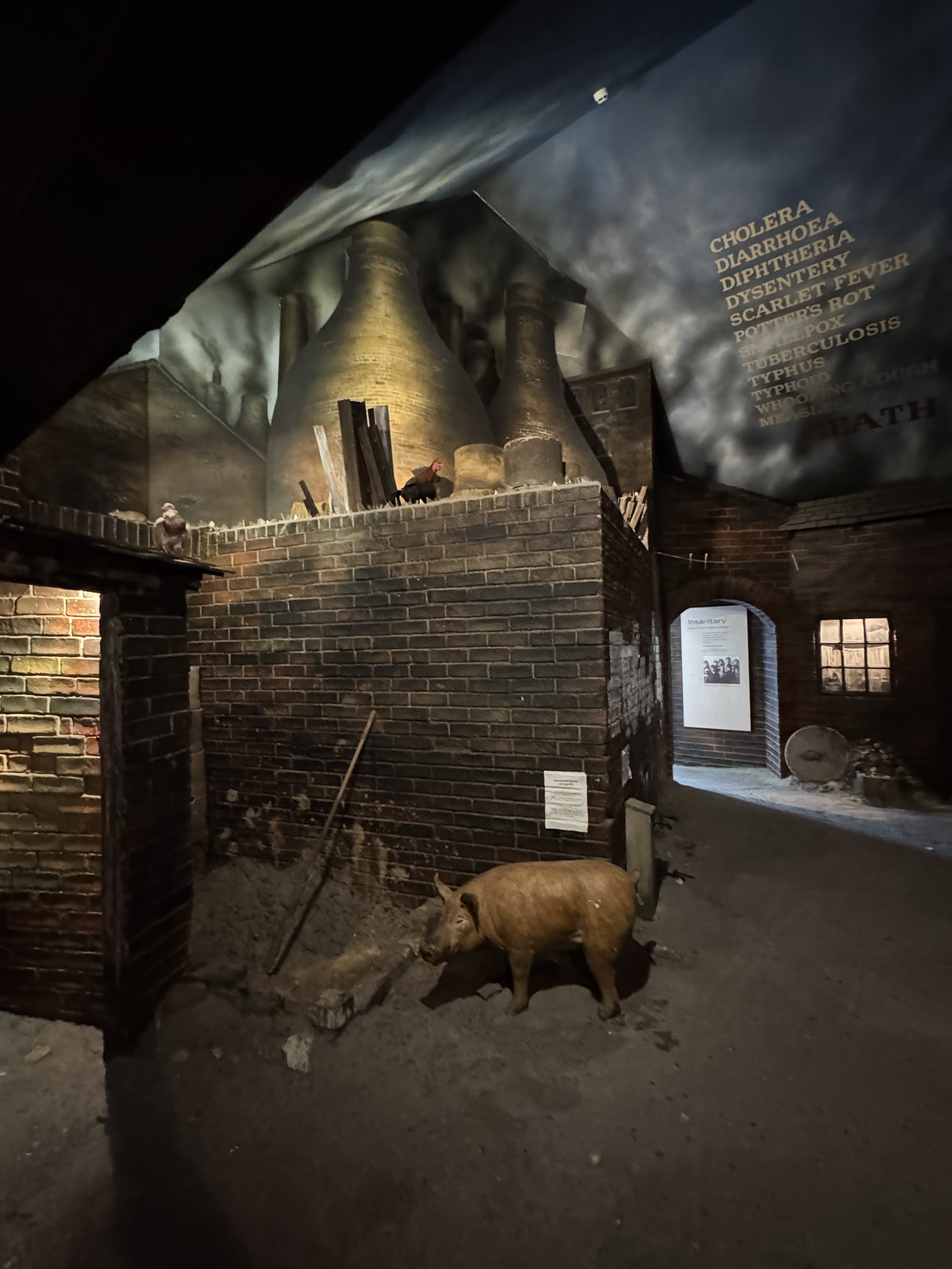
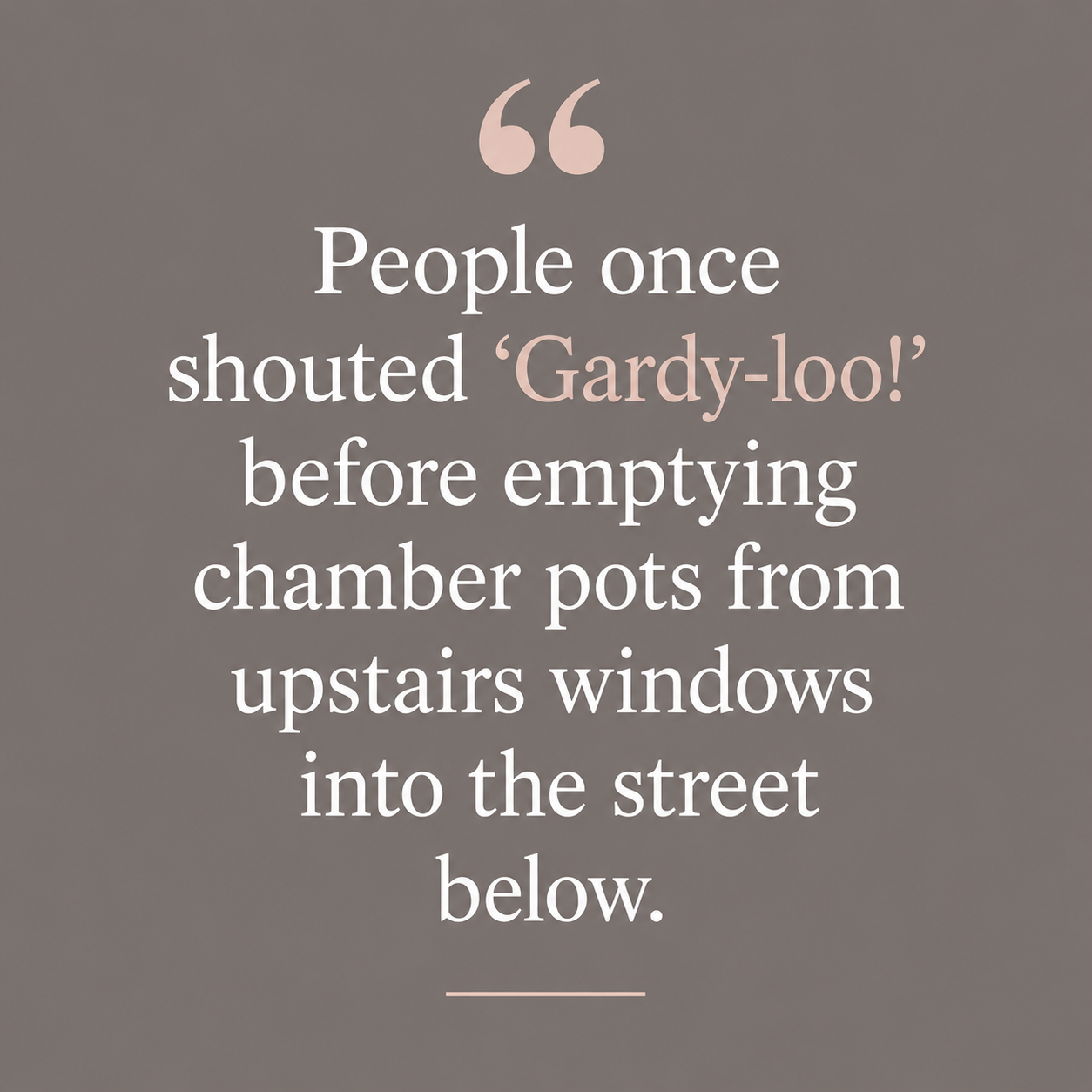
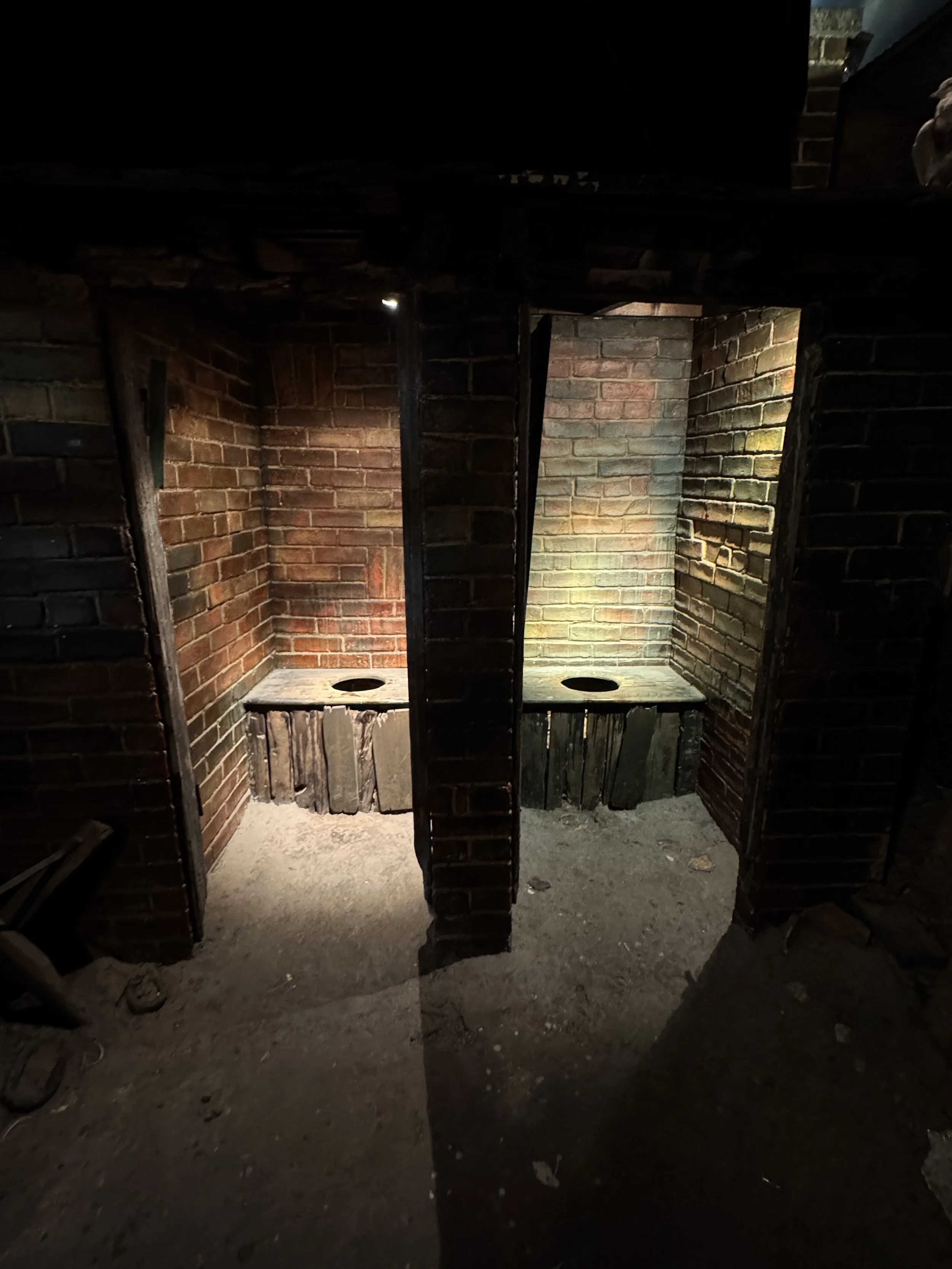
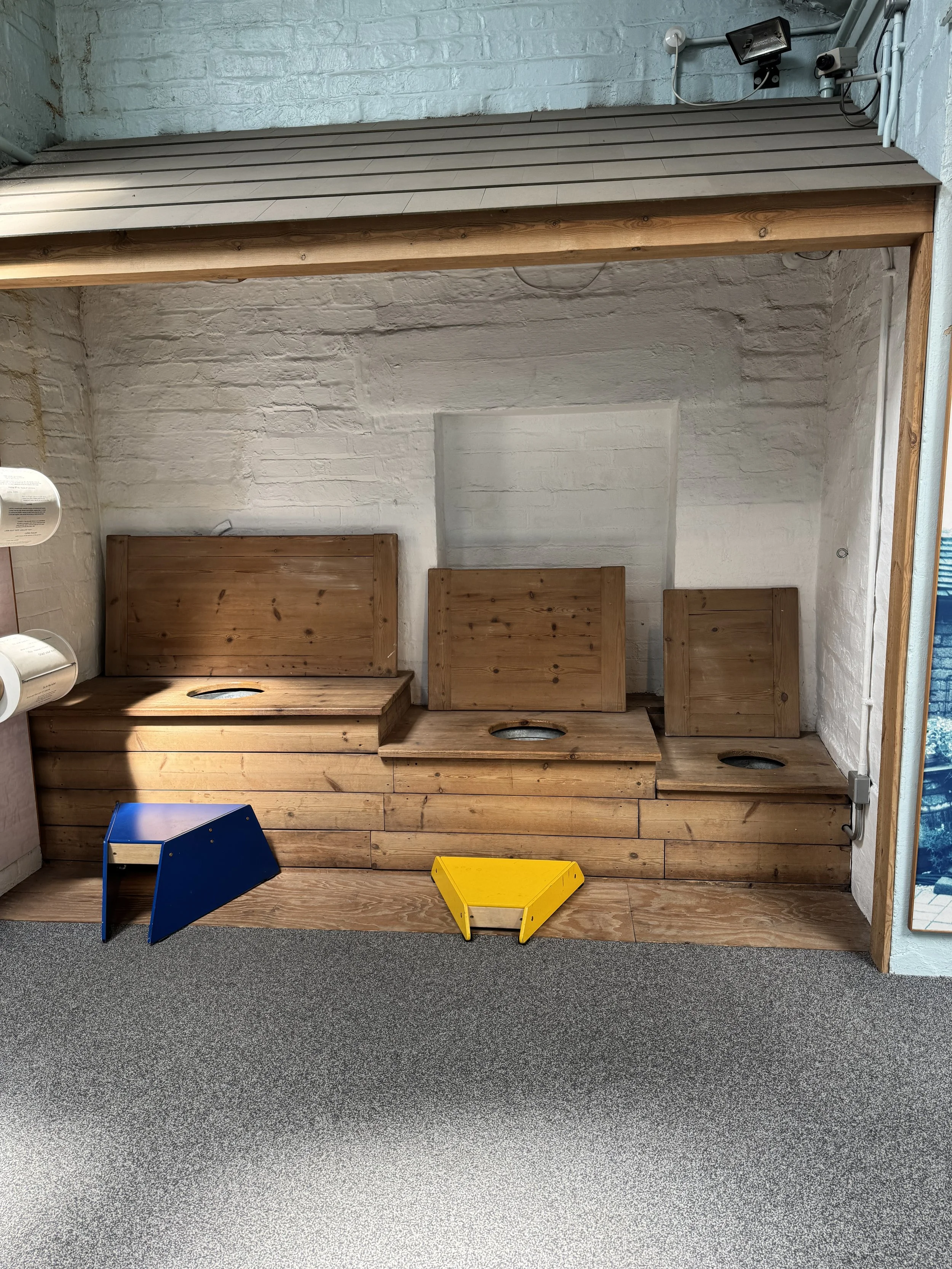
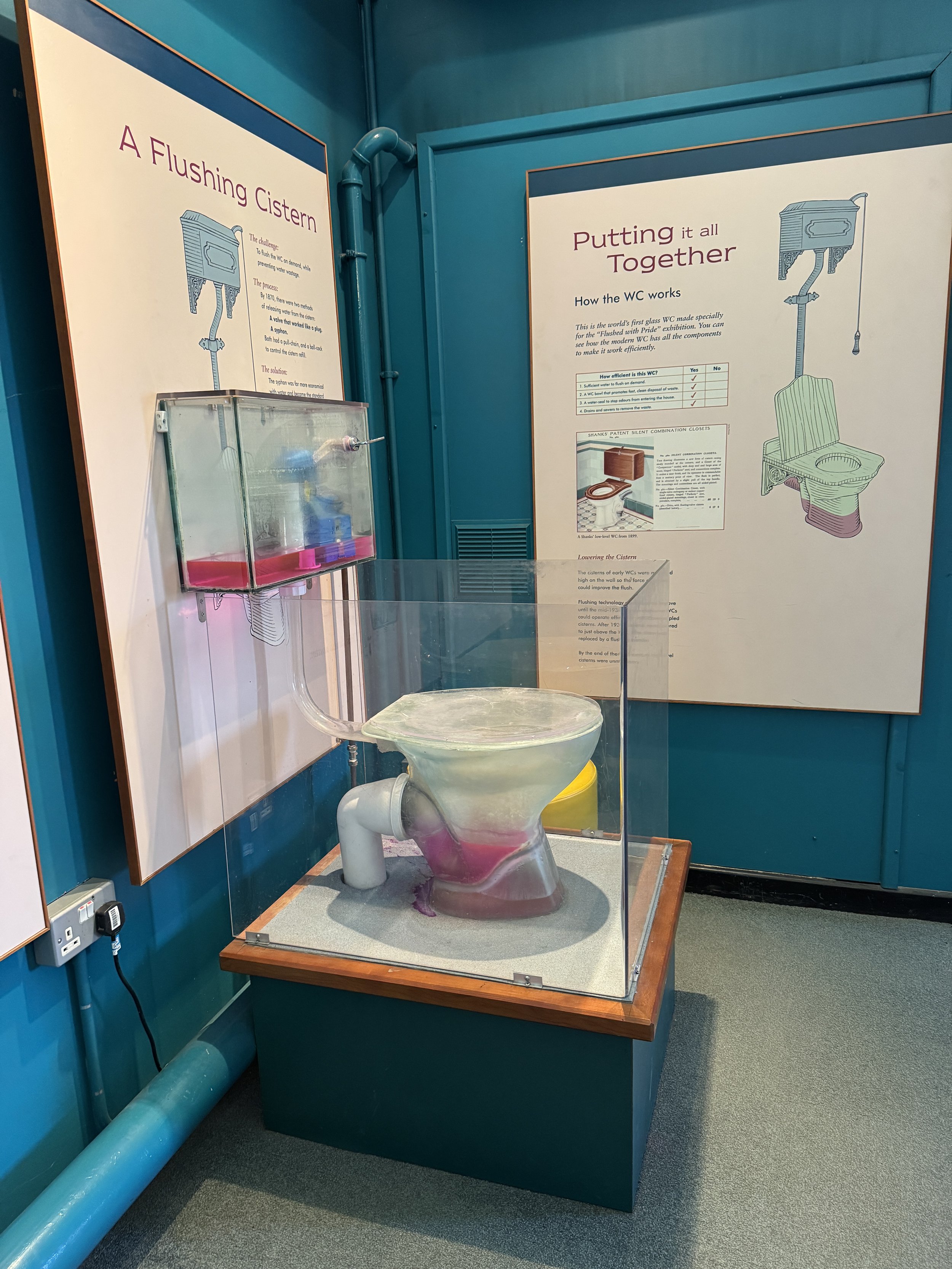
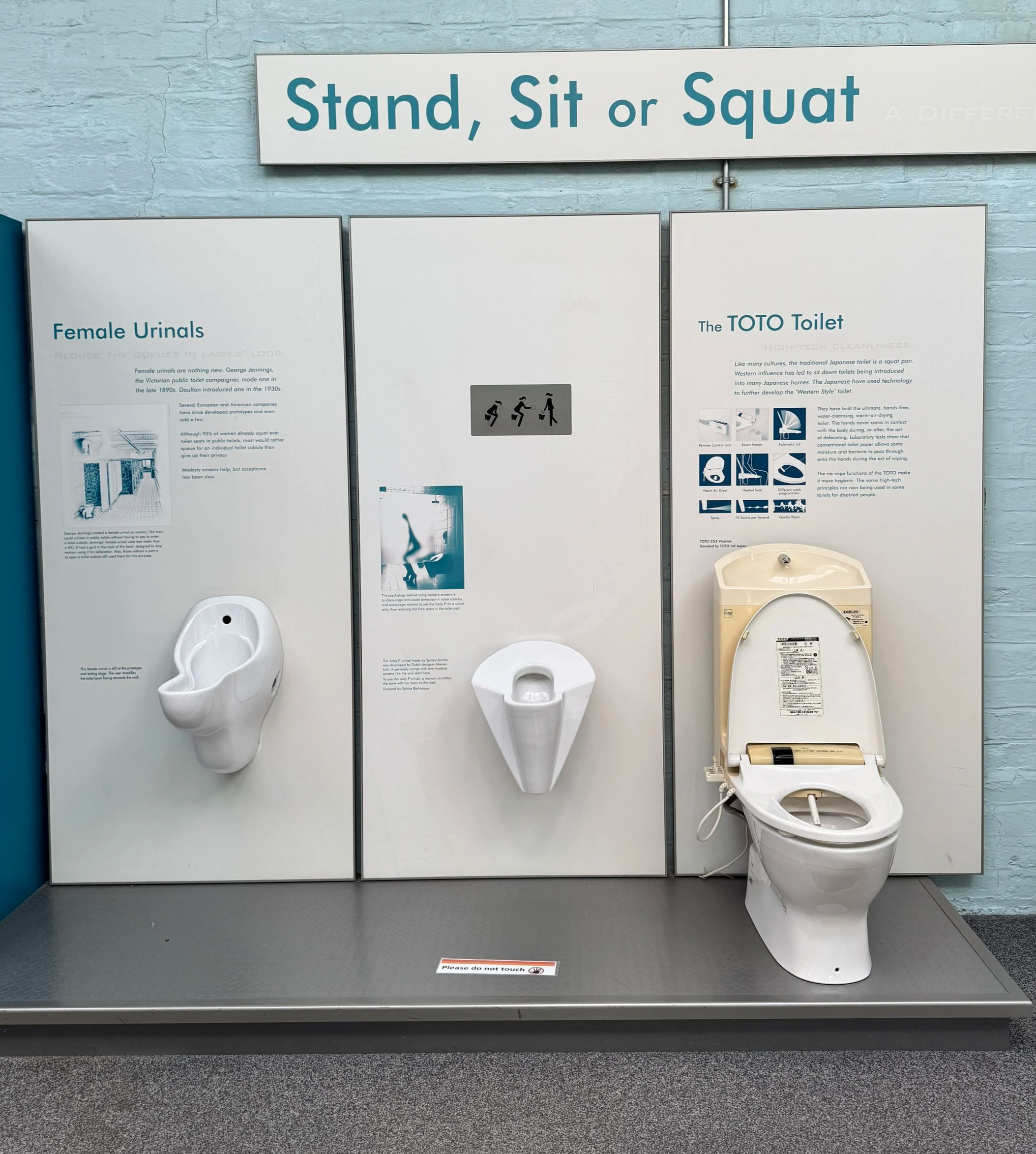

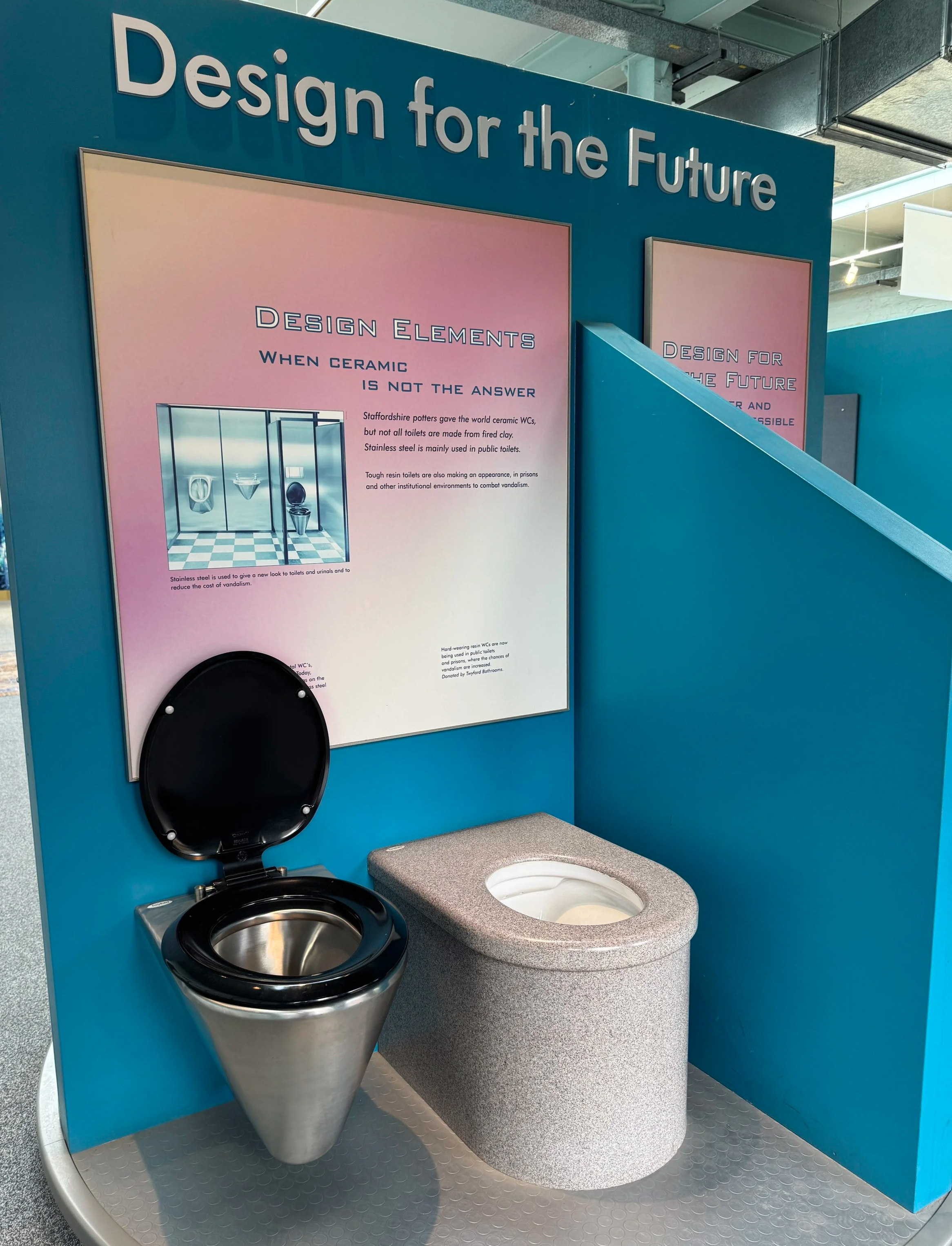
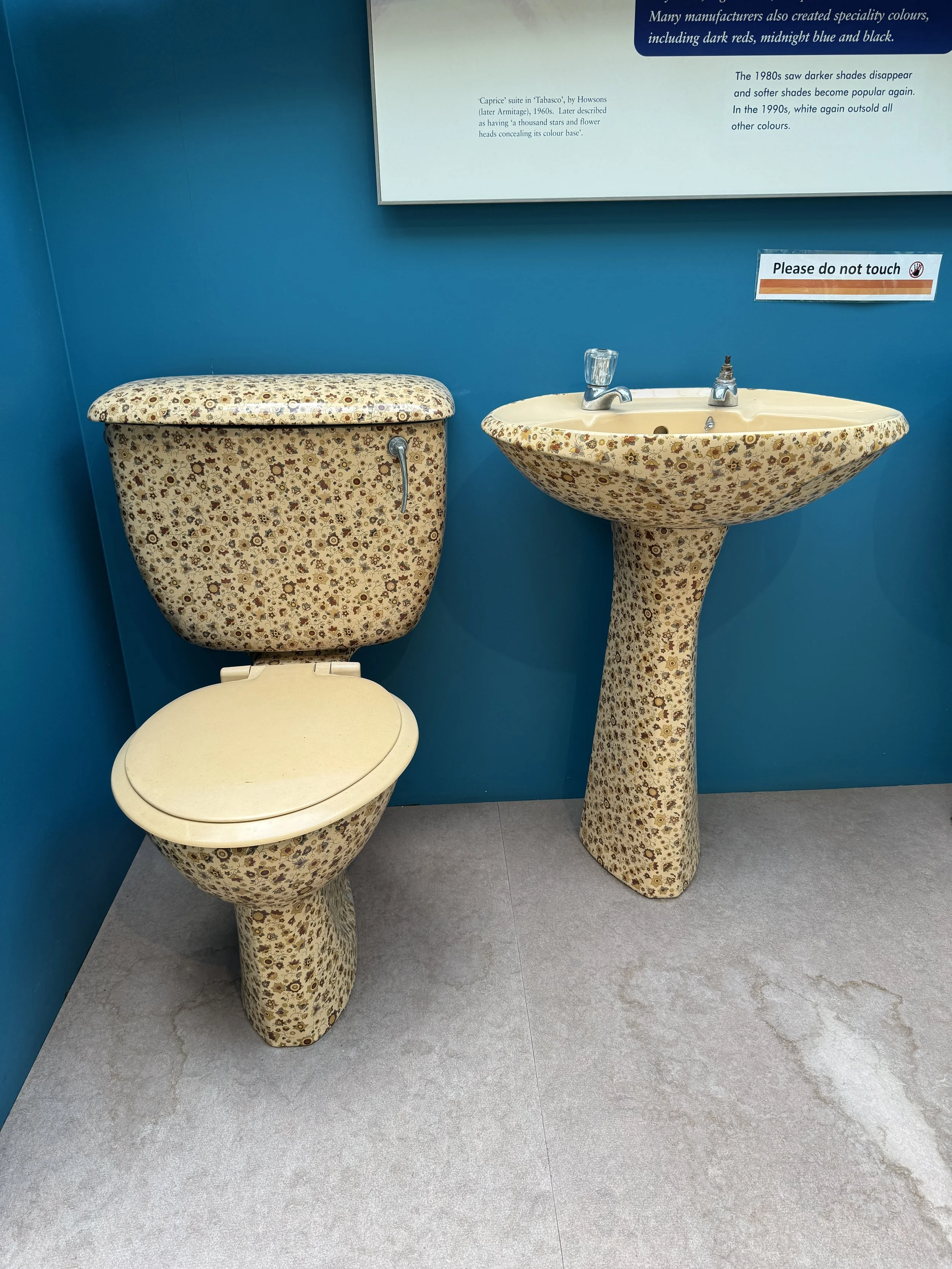
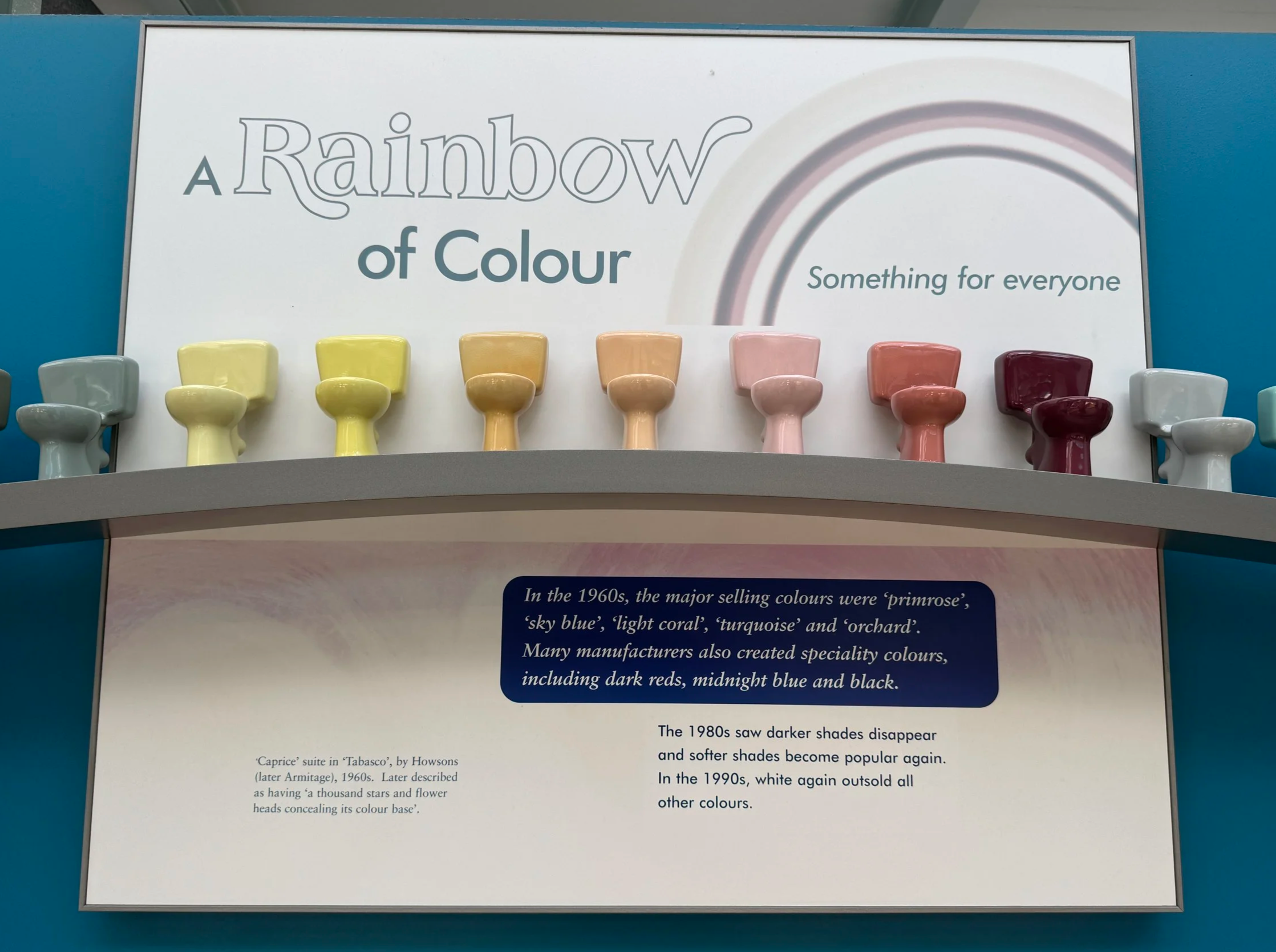
The pottery industry played a major role in improving public health through the production of ceramic toilets, sinks and drainage systems, helping transform everyday living conditions.
Who knew a museum about pottery would contain one of the most interesting bathroom exhibitions I've ever seen?
The Details That Captured My Attention
One of the joys of Gladstone is that inspiration appears in the smallest details.
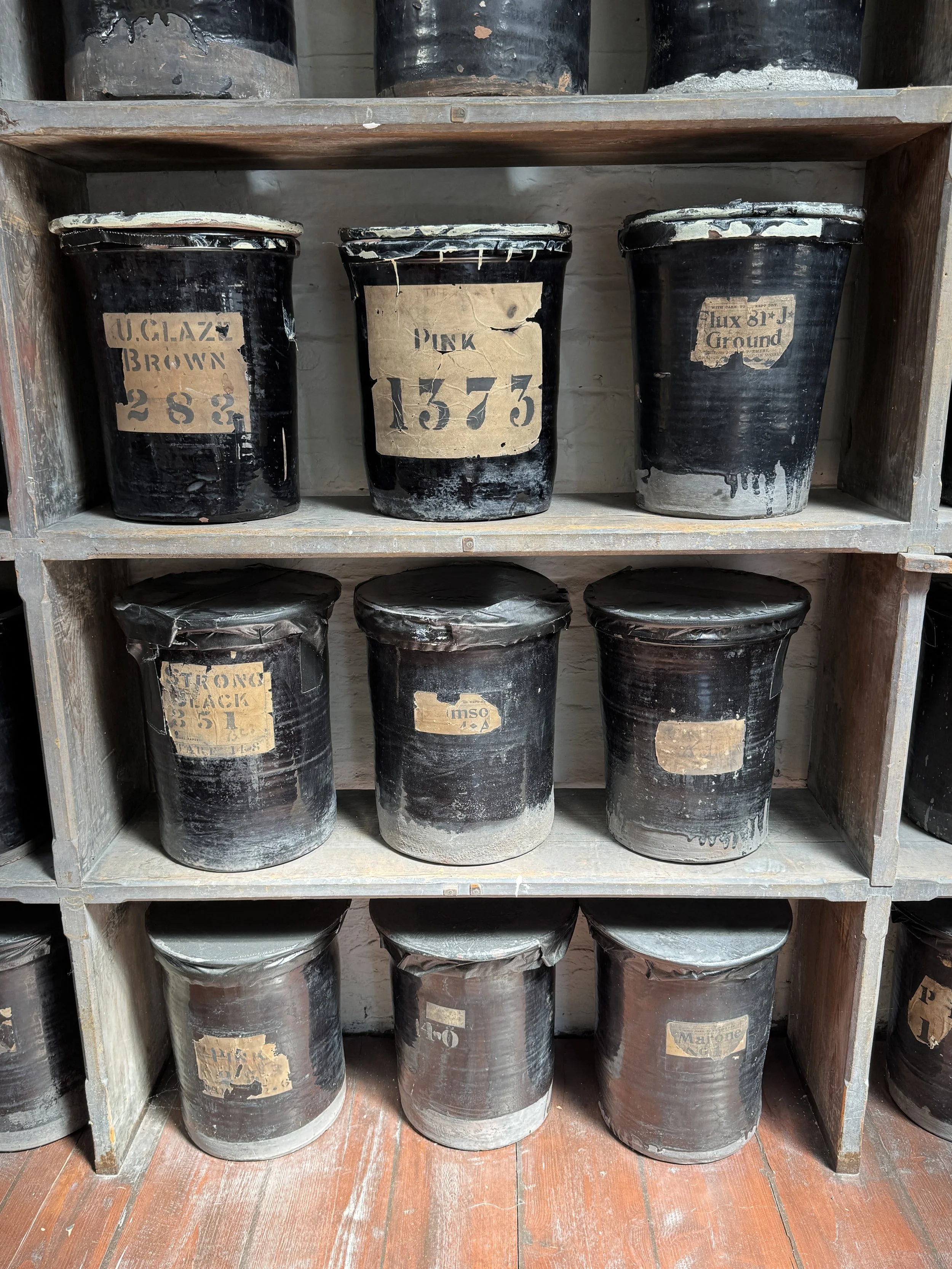
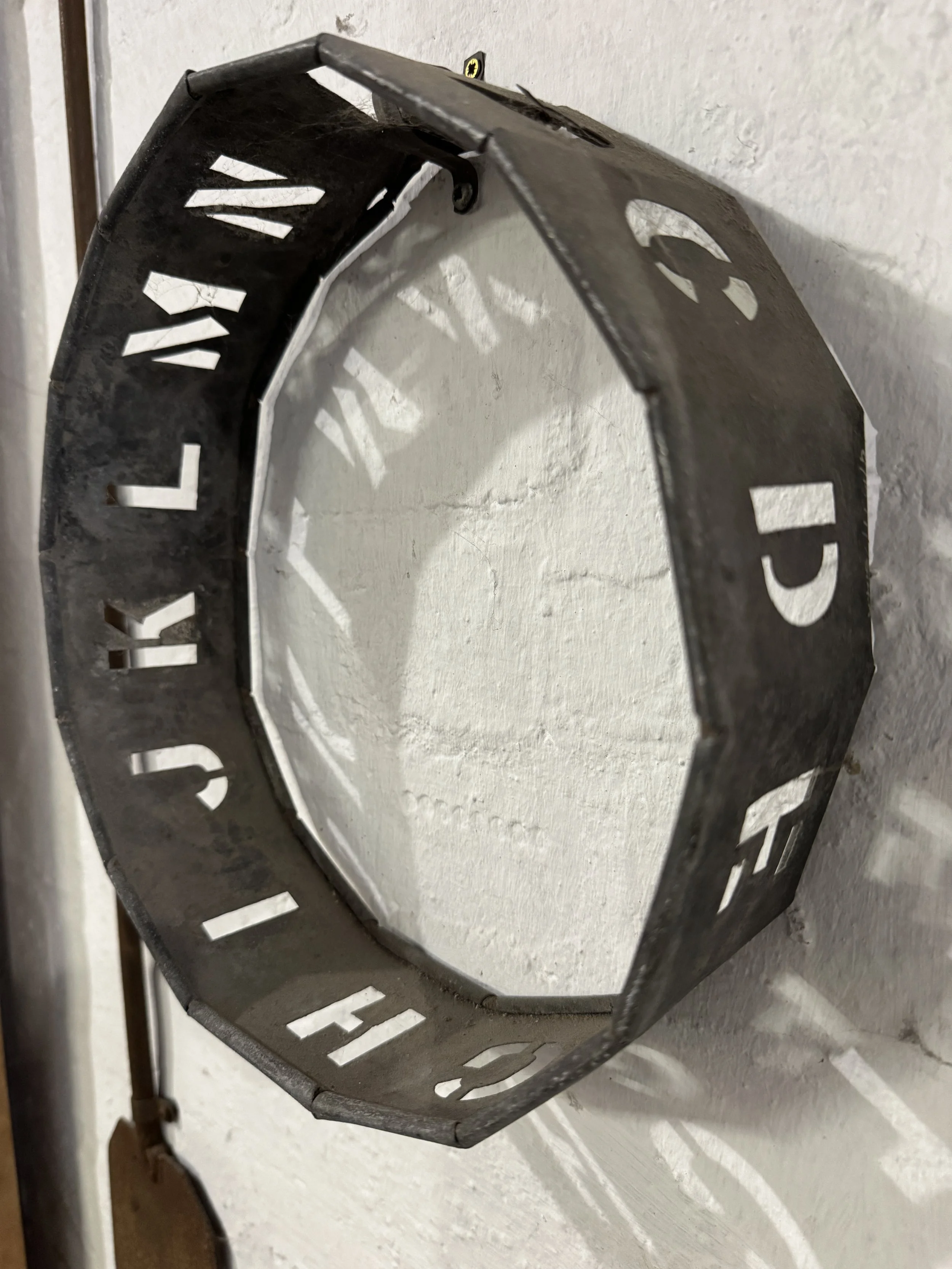
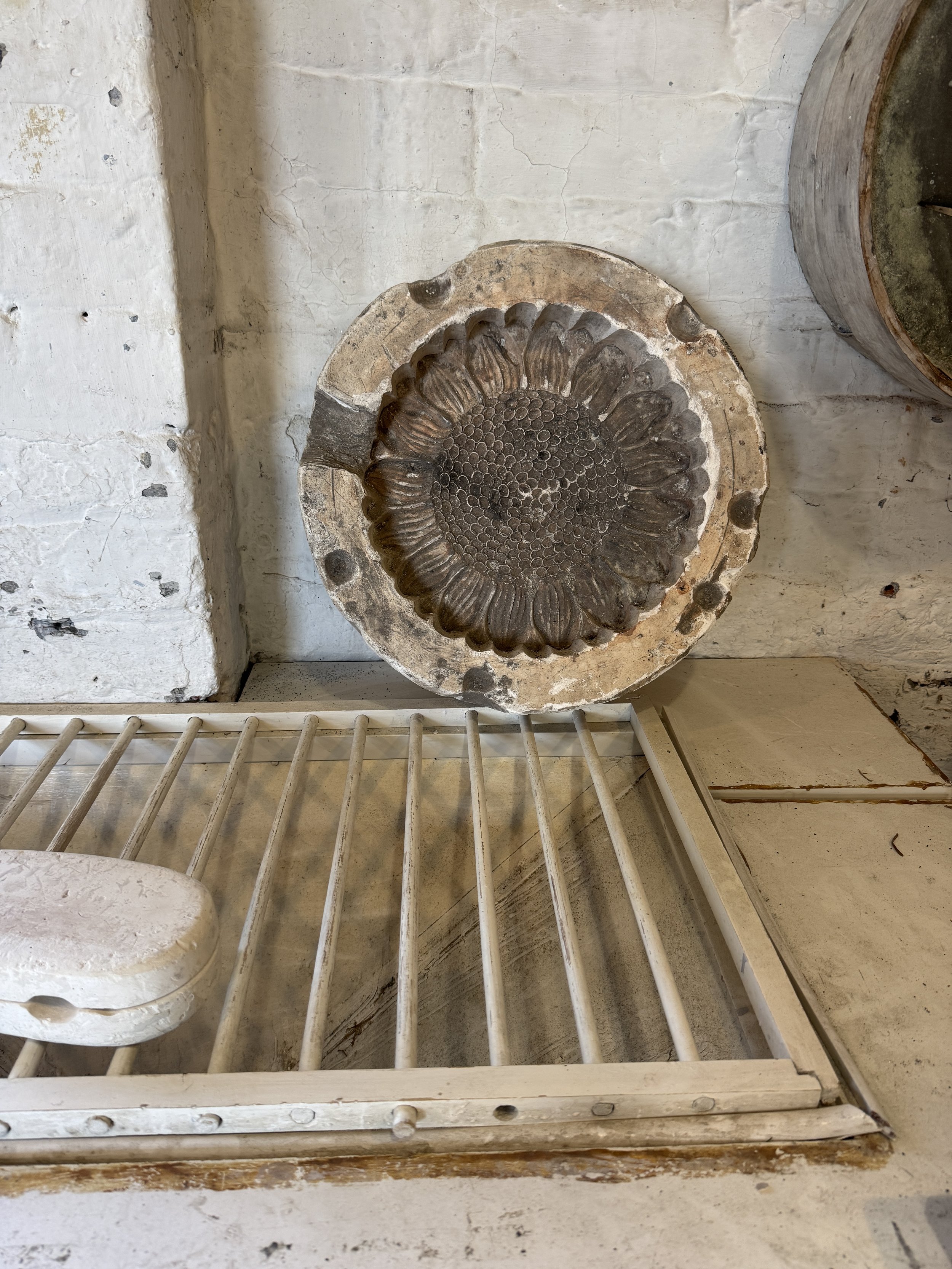
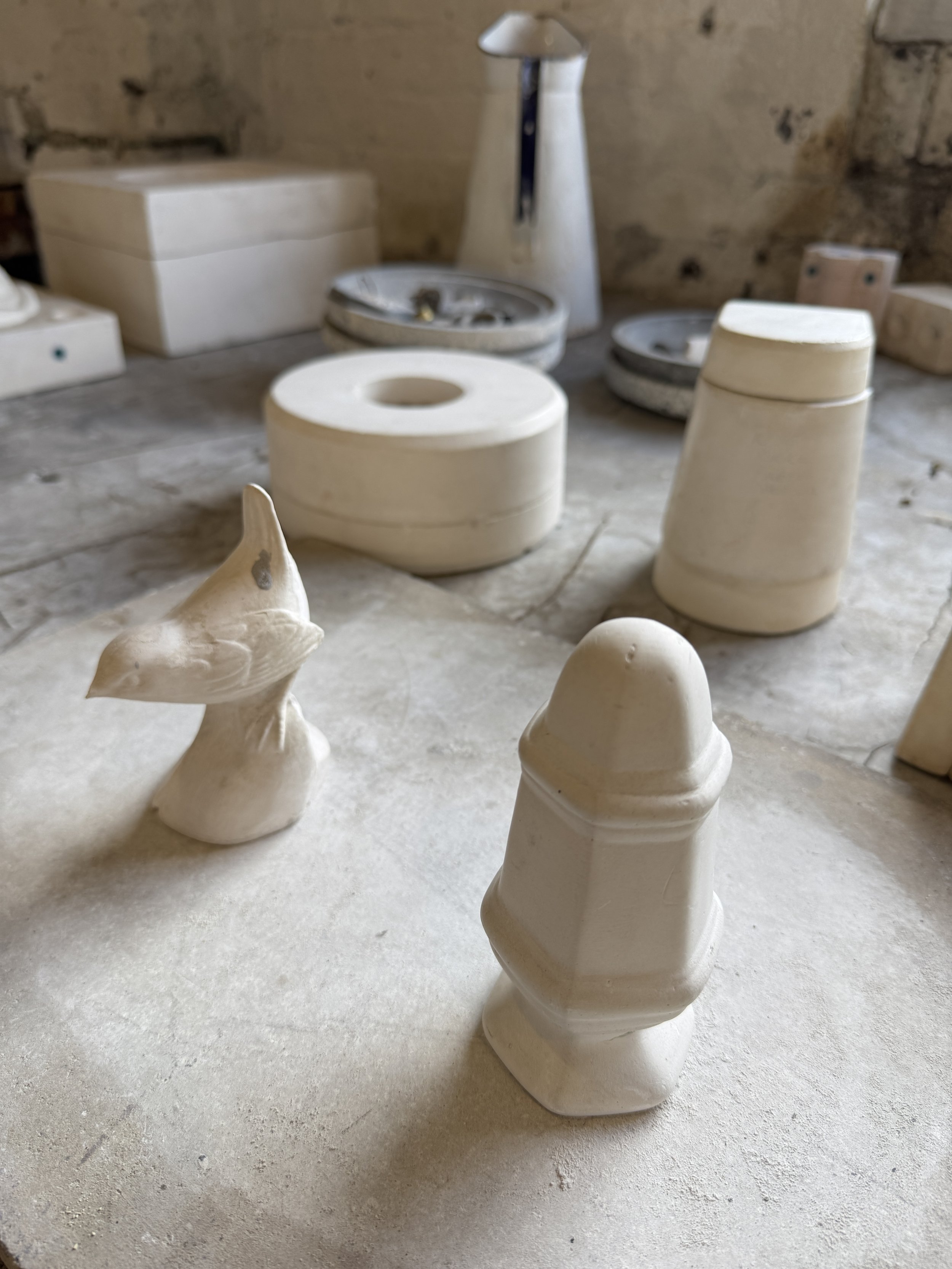
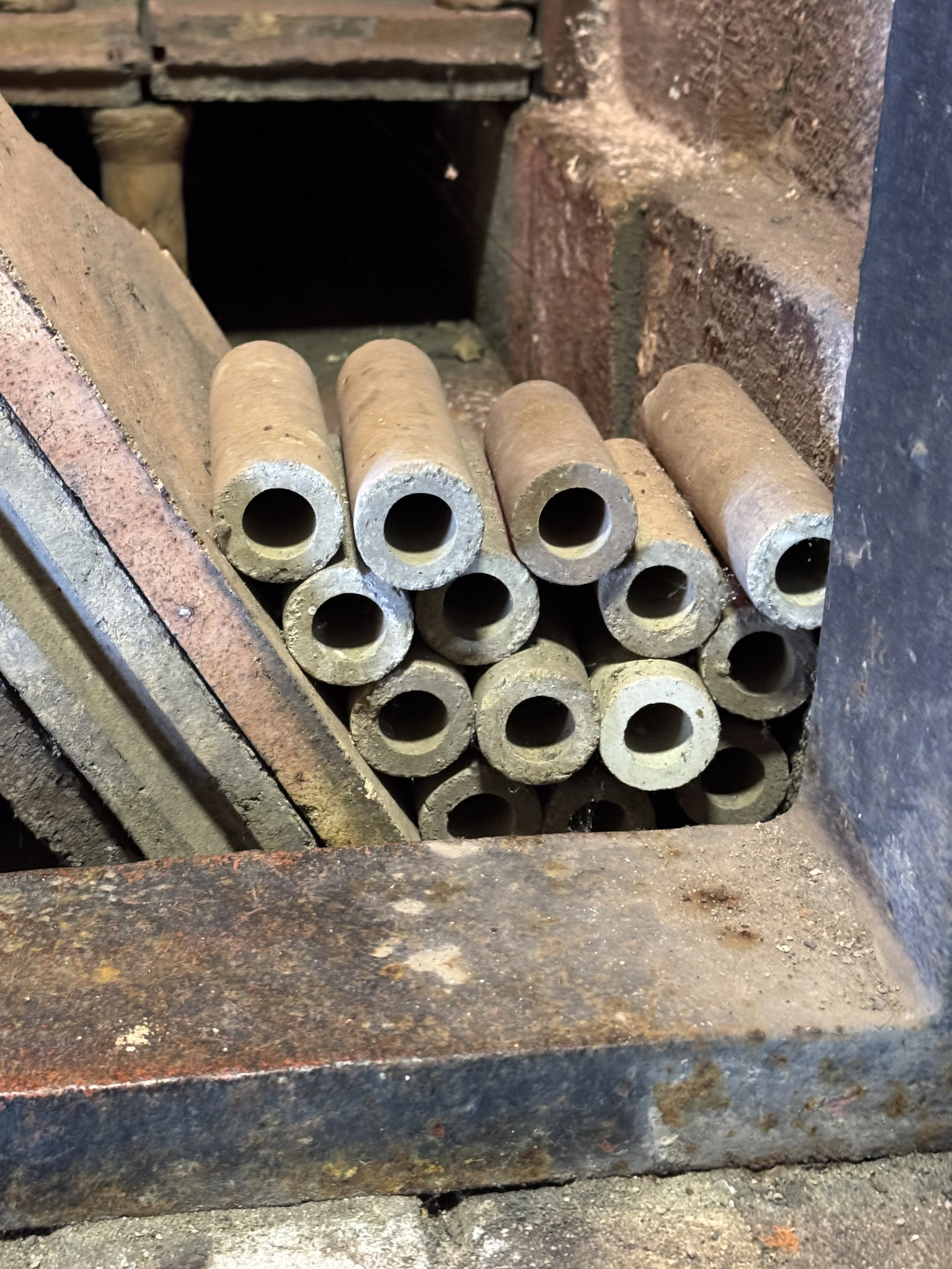
I found myself photographing old filing cabinets, ledgers, mould labels, colour charts and workshop shelves. The patina of age, layers of dust and evidence of decades of use told stories every bit as interesting as the larger exhibits.
Even the café became a source of inspiration.
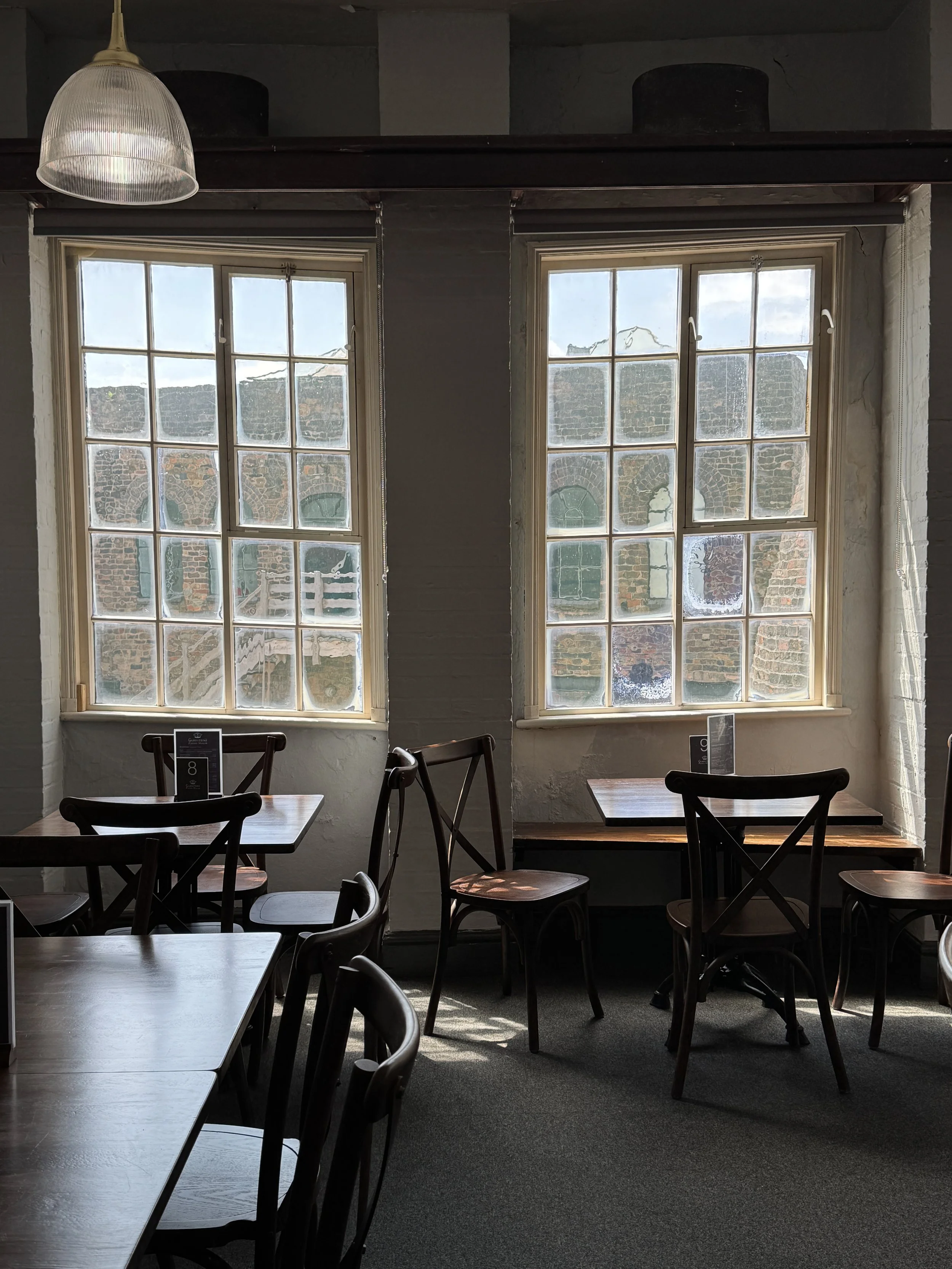
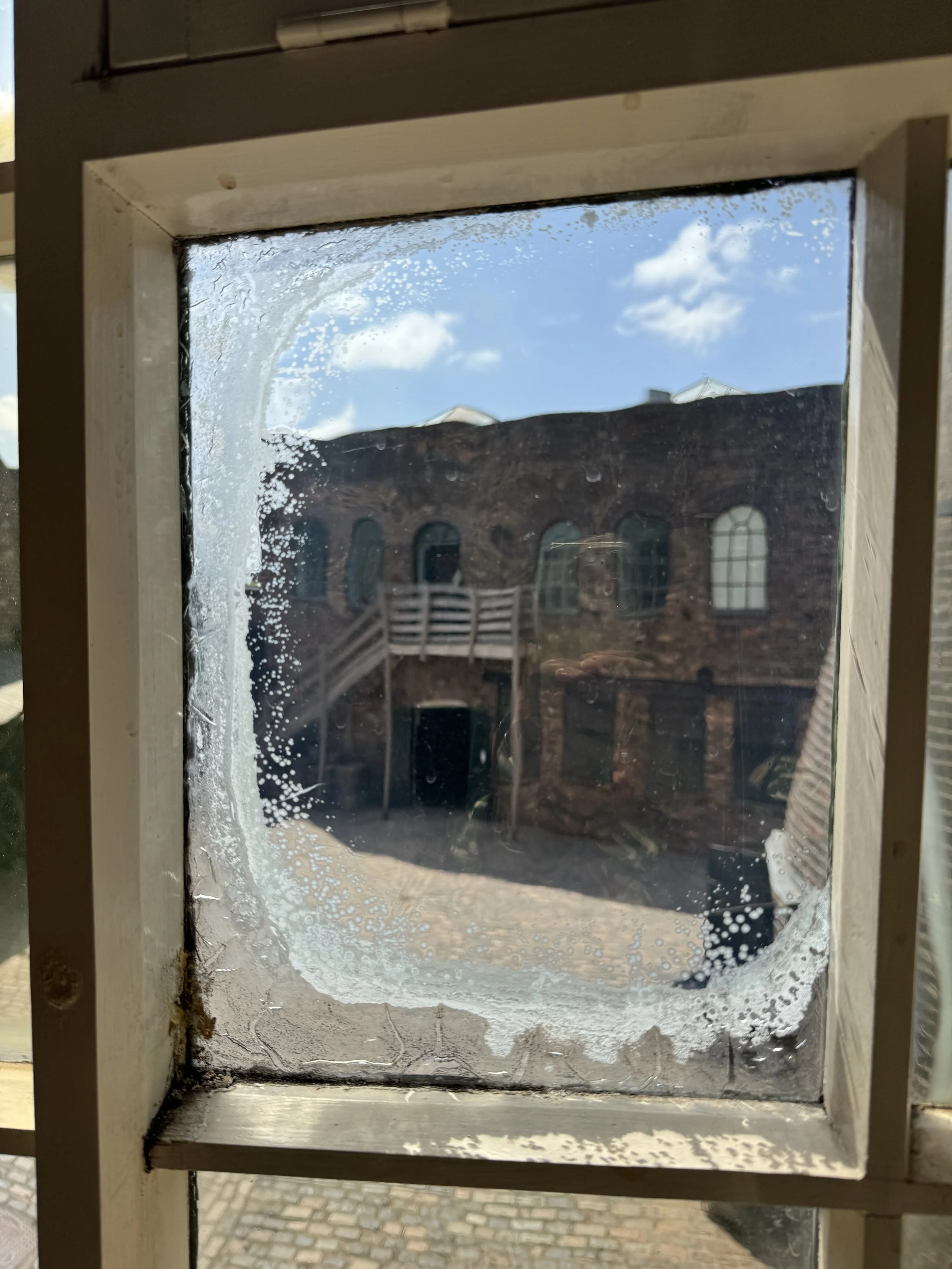
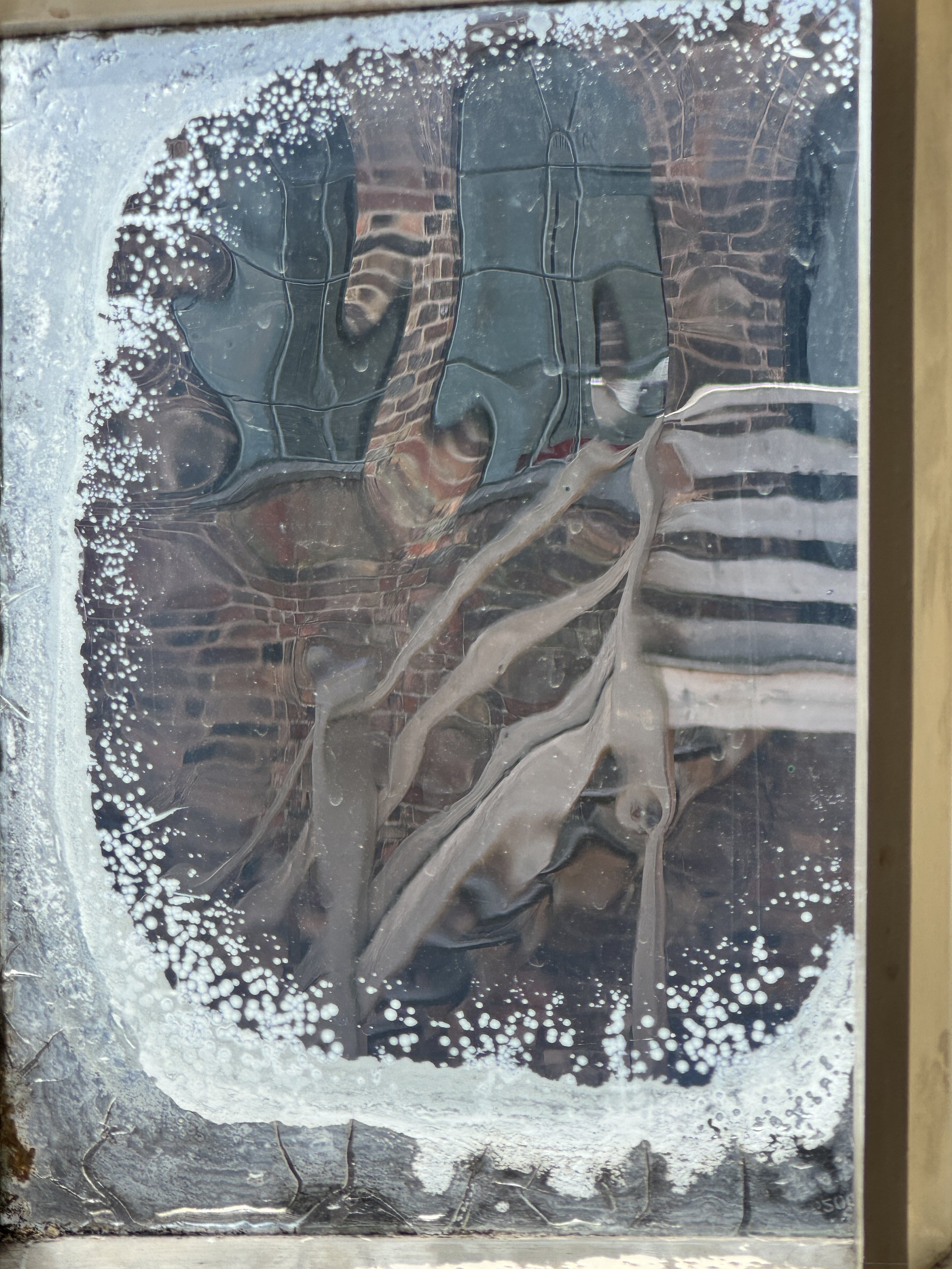
The handmade glass panes in the windows created beautiful distortions of the courtyard beyond. Modern glazing is perfectly flat, but these historic panes ripple and bend the light, creating a softness and character that is impossible to replicate.
Most visitors were probably looking at the view outside.
I was busy photographing the windows.
A Pottery Owl and a Famous Antiques Roadshow Discovery
One small pottery owl made me smile.
It immediately reminded me of "Ozzy the Owl", one of the most famous discoveries ever featured on Antiques Roadshow. Originally thought to be relatively ordinary, the rare Staffordshire slipware owl was later valued at around £20,000 and became something of a pottery legend.
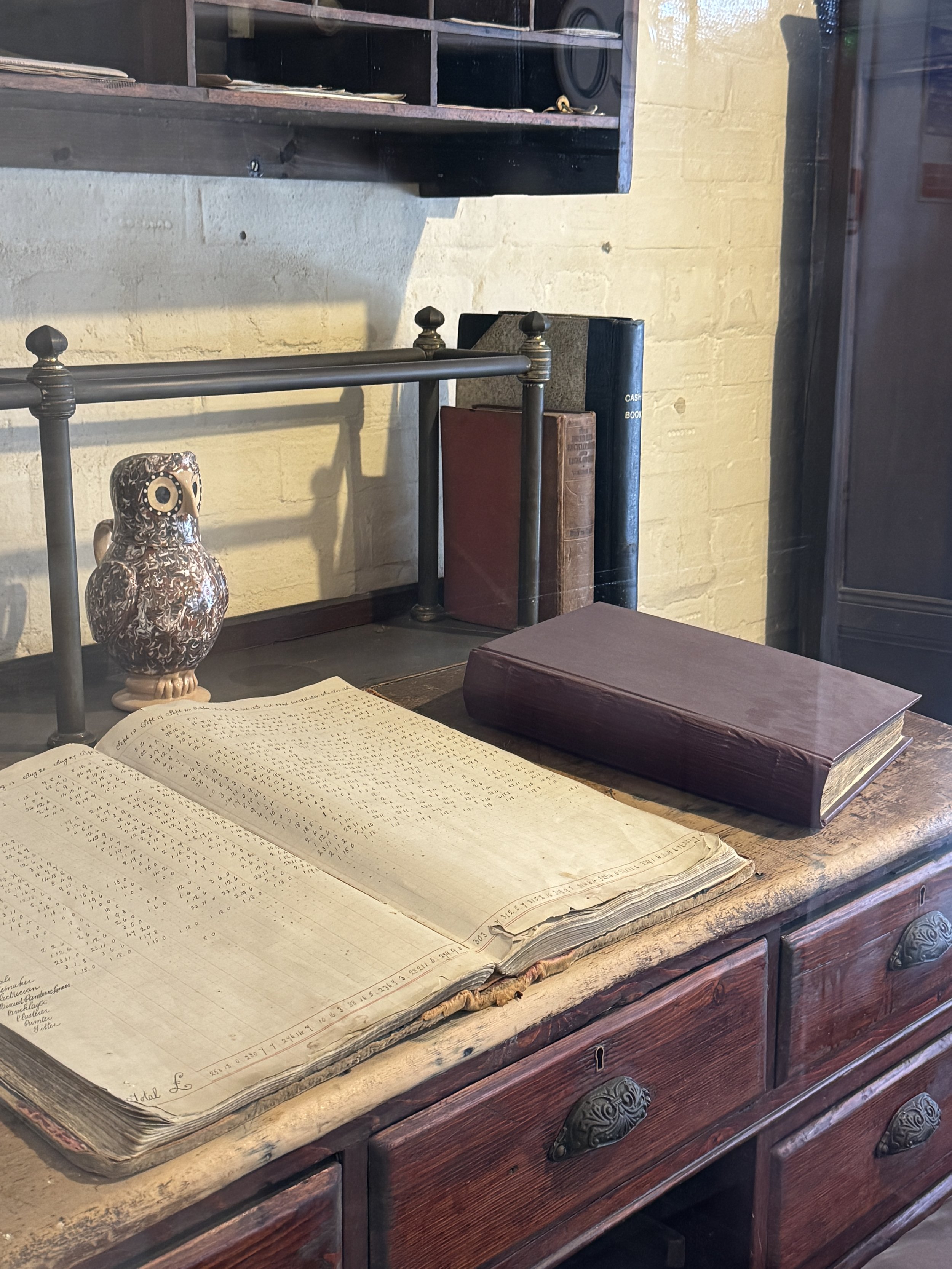
pottery owl made me smile
It immediately reminded me of "Ozzy the Owl"
Whether the little owl I spotted had any connection to Ozzy or not, it seemed perfectly at home amongst the rich history of the Potteries.
Why Pottery Throw Down Fans Should Visit
If you're a fan of The Great Pottery Throw Down, Gladstone Pottery Museum is an absolute must.
You can see the moulds, kilns, glaze rooms, workshops and historic buildings that shaped Britain's ceramic industry. Watching the programme becomes even more enjoyable once you've seen the scale of production and craftsmanship behind traditional pottery making.
For me, the visit was about far more than ceramics.
It was about creativity, colour, craftsmanship, design history and the people who dedicated their lives to making beautiful and useful objects.
What began as a spontaneous stop on our journey home from Liverpool became one of the most memorable parts of the trip.
Sometimes the places you hadn't planned to spend hours exploring turn out to be the most rewarding.
And if you find yourself in Stoke-on-Trent with even the slightest interest in pottery, design or The Great Pottery Throw Down, make time to visit Gladstone Pottery Museum.
You may find yourself staying much longer than you intended.
Craftsmanship, colour and pieces with a story are what I love bringing into my clients' homes, from bathrooms to tiled hallways. If you're planning a project, I'd love to hear about it.