
During our trip to Liverpool last year, Kim, Sally and I visited Bees: A Story of Survival, an exhibition that completely exceeded our expectations.
Liverpool offered plenty to see during our trip, and while Sally and Kim were particularly interested in exploring the city's magnificent churches and cathedral, I found myself especially drawn to Bees: A Story of Survival. As someone who spends much of my time thinking about interiors, design, colour and visual storytelling, this exhibition was very much my cup of tea. The creativity of the displays, the use of light and structure, and the immersive atmosphere made it impossible not to be inspired.
We had already enjoyed exploring the city, but this proved to be one of the highlights of the trip. What we expected to be an interesting exhibition about bees turned out to be an extraordinary immersive experience that combined art, science, architecture, light and sound in a truly memorable way.
As an interior designer, I am always fascinated by the way spaces can influence emotion and engagement. This exhibition achieved something quite remarkable. It transformed scientific information into an experience that was beautiful, thought-provoking and unforgettable.
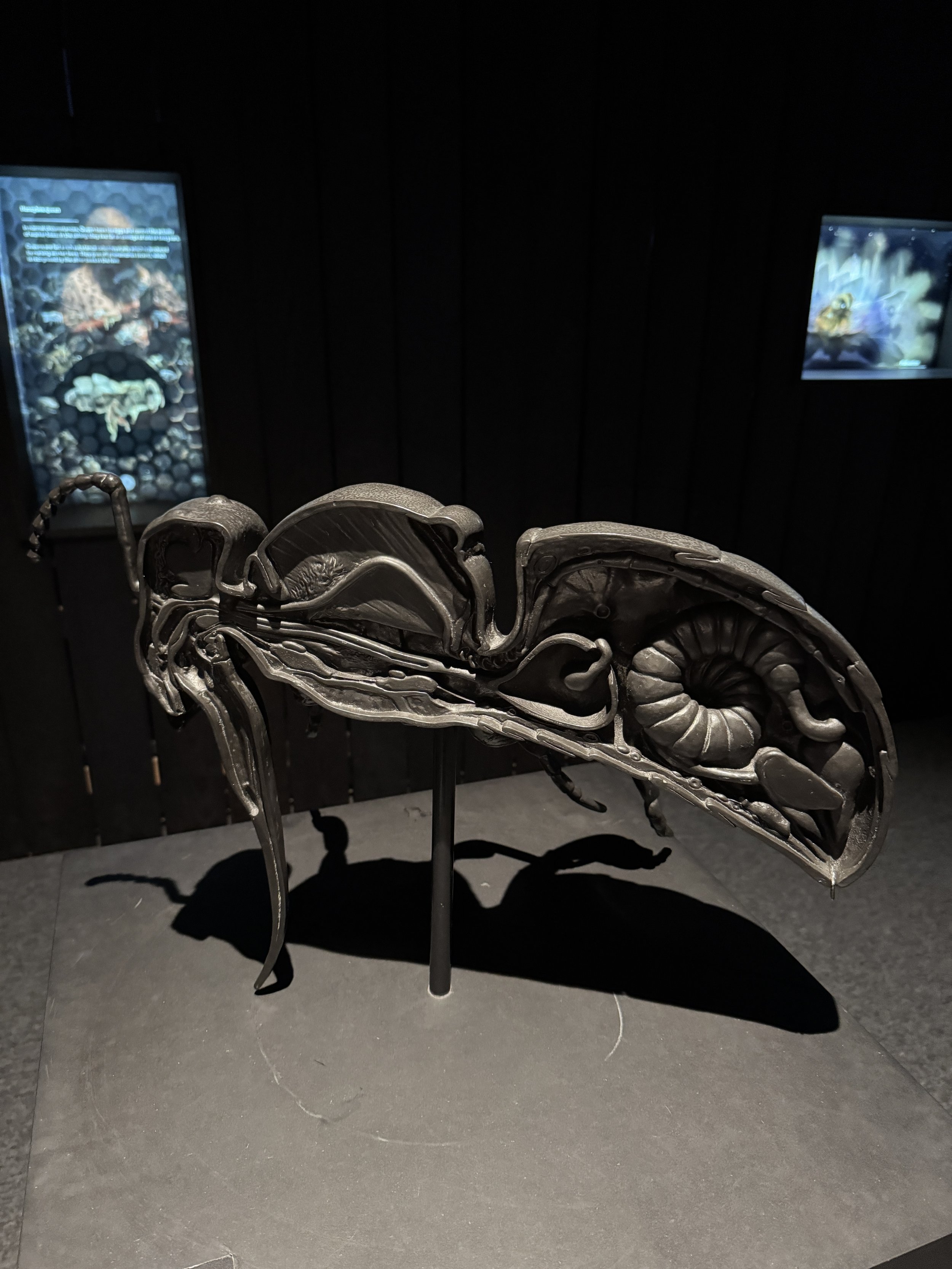
From the moment we entered, it was clear that this was no ordinary museum display. The exhibition used architecture, lighting, sound, sculpture and digital technology to create a journey into the world of bees. Every element had been carefully considered, allowing visitors to experience the subject rather than simply read about it.
One of the most striking features was the use of honeycomb-inspired structures throughout the exhibition. Large geometric frameworks echoed the natural architecture of a hive, creating sculptural gateways and spatial divisions that guided visitors through the experience. The hexagonal forms felt both contemporary and timeless, demonstrating how nature continues to inspire some of the most effective design solutions.
The lighting design was equally impressive. Darkened spaces were punctuated with glowing installations, illuminated panels and subtle projections that created an almost otherworldly atmosphere. The contrast between light and shadow drew attention to individual exhibits while encouraging visitors to slow down and absorb the environment around them.
As a photographer, I found the exhibition endlessly inspiring. Every corner offered another opportunity to capture dramatic compositions, interesting textures and unexpected details. The illuminated walls shimmered with colour, the sculptural forms created fascinating shadows, and the carefully controlled lighting transformed ordinary materials into works of art.
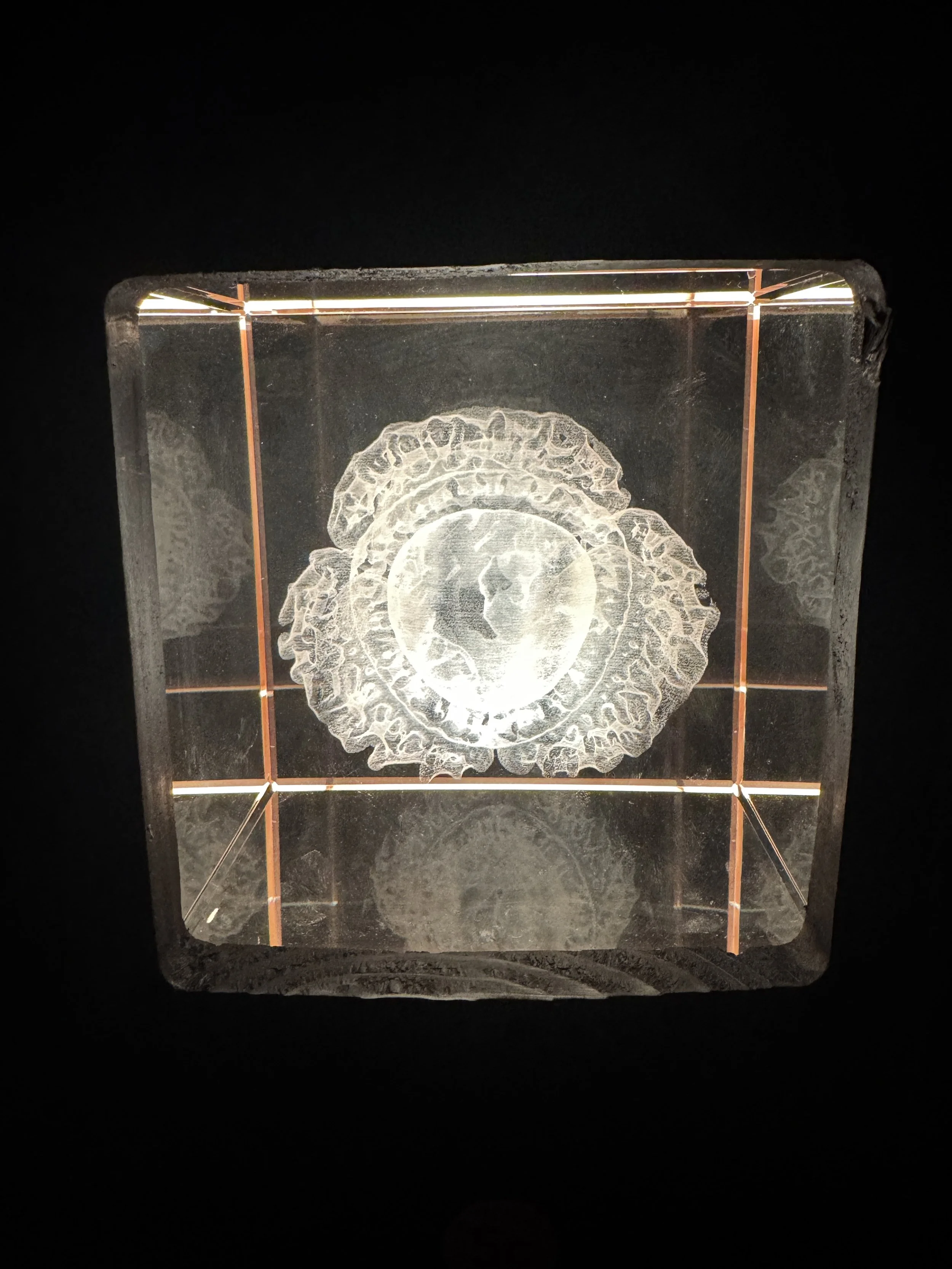
Particularly memorable were the enlarged microscopic representations of pollen grains. Suspended and illuminated like precious jewels, they revealed an intricate hidden world that most of us never have the opportunity to see. Their sculptural quality was captivating, combining scientific accuracy with artistic beauty.
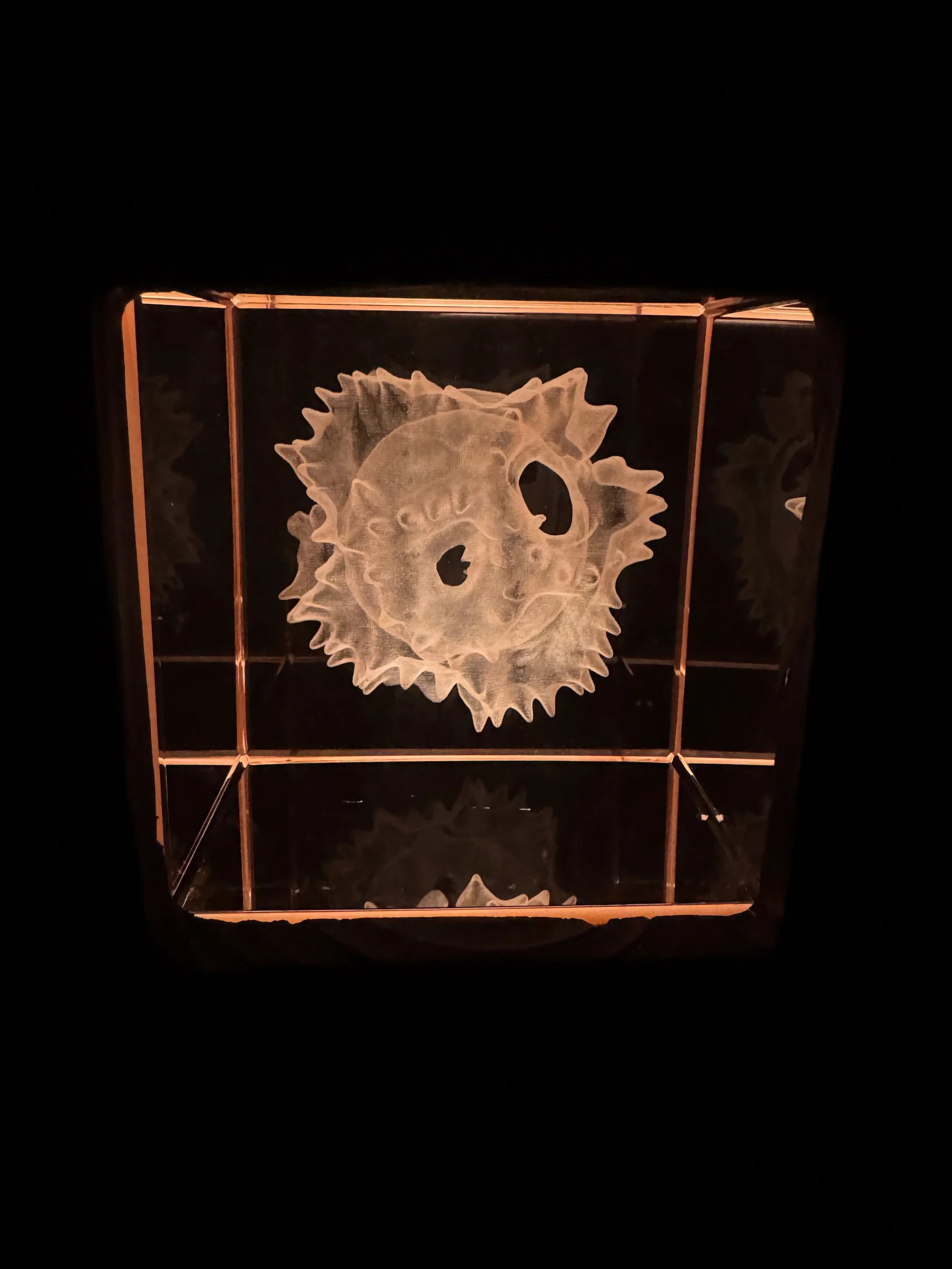
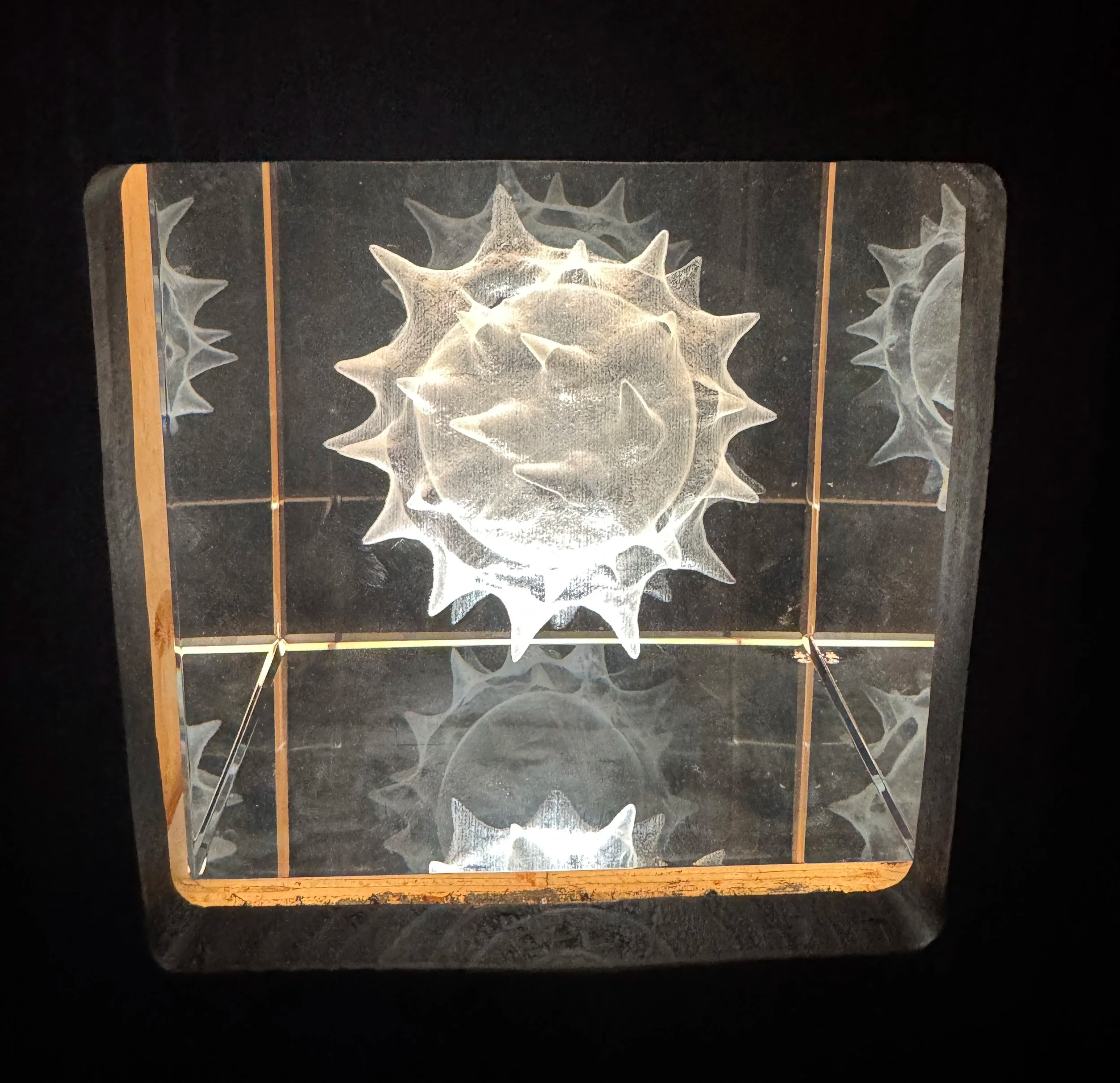
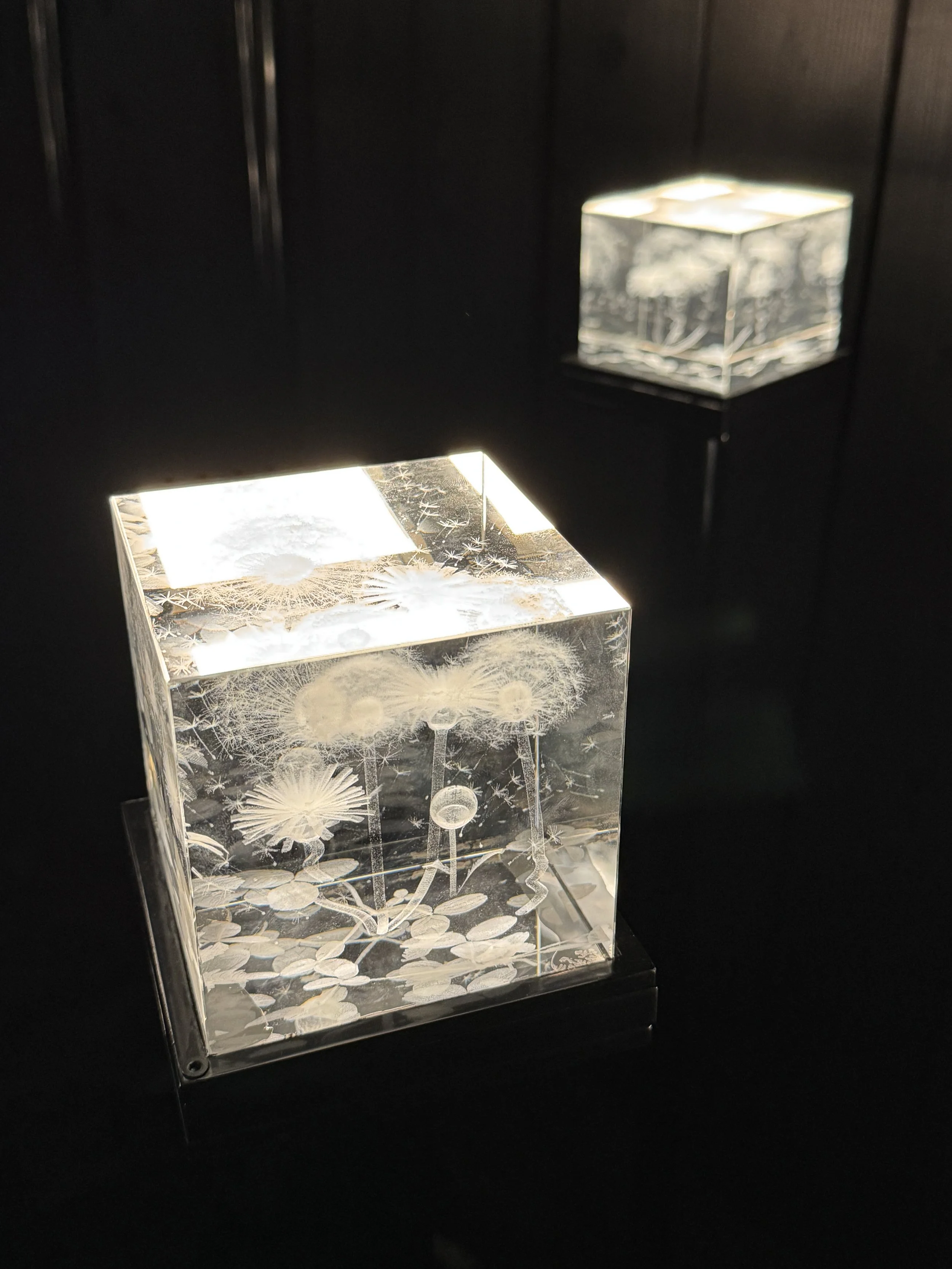
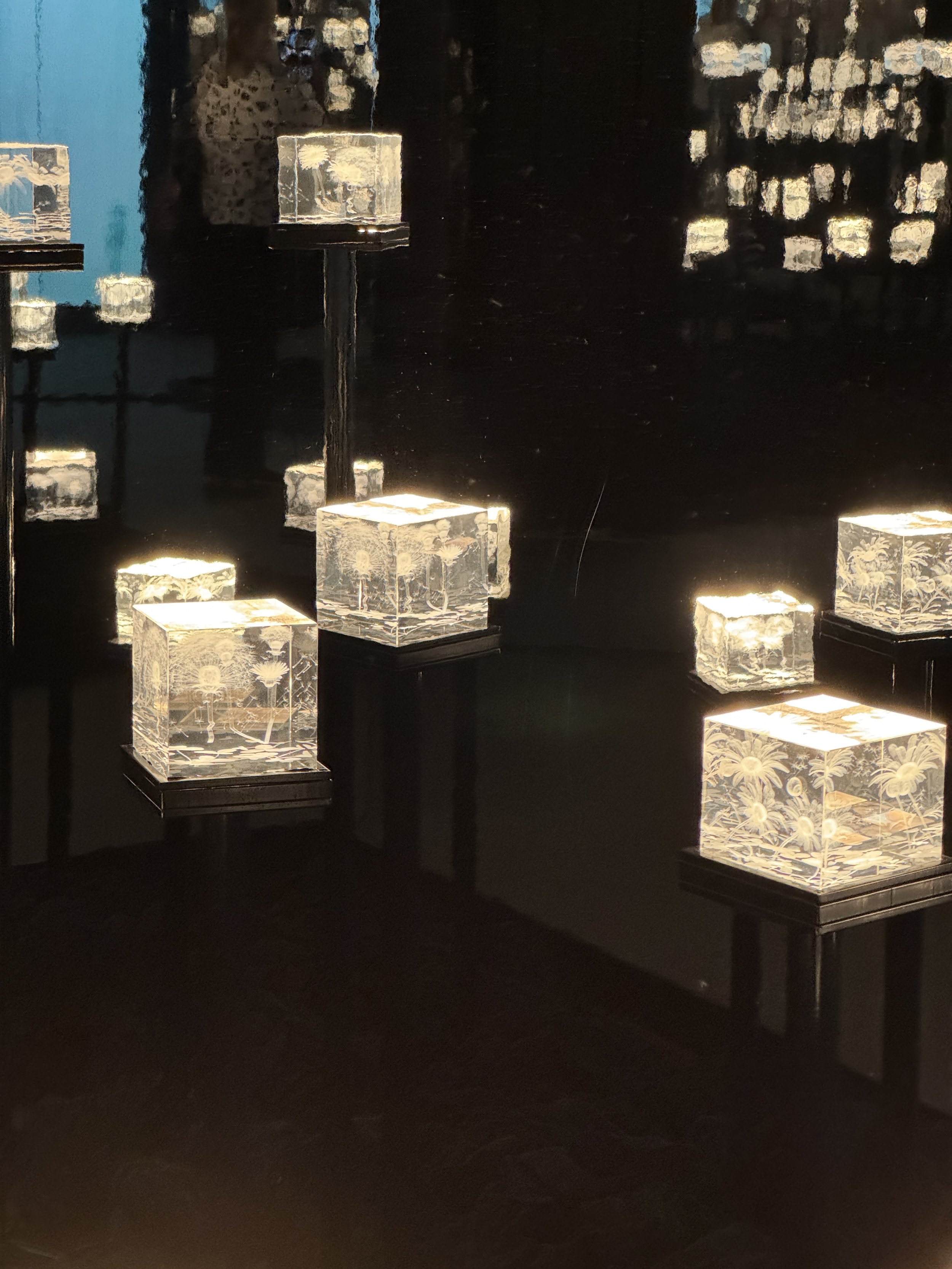
The exhibition also explored the extraordinary complexity of bee communication and behaviour. Interactive displays allowed visitors to experience the vibrations and signals bees use within the hive, bringing scientific concepts to life in an engaging and accessible way. Rather than overwhelming visitors with facts, the exhibition used creativity and design to create understanding.
Another powerful section focused on the importance of wildflower meadows and the decline of natural habitats. Beautifully presented visual installations encouraged reflection on the relationship between pollinators, biodiversity and our own survival. The message was serious, yet the presentation remained uplifting and inspiring.
What impressed me most was how seamlessly art and science were brought together. The exhibition demonstrated that good design has the power to educate, communicate and create emotional connections. It encouraged visitors to see the world from a completely different perspective and left a lasting impression long after leaving.
For all three of us, it was one of the most creative and visually engaging exhibitions we had visited in a long time. We left with a greater appreciation not only of bees and their importance to our environment, but also of the power of great design to communicate complex ideas in a memorable and inspiring way.
Sometimes the most inspiring interiors are not homes, hotels or restaurants. Sometimes they are exhibitions that transport us into another world entirely.
Light, structure and storytelling are what turn a space into an experience, at home as much as in a gallery. If you'd like that feeling in your own rooms, let's talk.
Exhibition Information
Bees: A Story of Survival was created by National Museums Liverpool in collaboration with artist and sculptor Wolfgang Buttress. Following its success in Liverpool, the exhibition travelled to the Royal Ontario Museum (ROM) in Toronto in 2026.